Some days, you just want a slice of pure comfort that feels like sunshine on a plate. That’s exactly what this coconut cake delivers—soft, creamy, and bursting with tropical flavor. If you love desserts that balance light, tender crumb with decadent richness, you’re in for a treat. This coconut cake is soaked with a silky blend of sweetened condensed milk and coconut milk, then layered high with clouds of whipped cream and a blizzard of coconut on top.
Whether you’re celebrating a special occasion or just fancy a sweet kitchen project, this is the kind of cake that always gets people returning for seconds. The scent of coconut fills the kitchen and each cold slice is dreamy, with creamy middles and toasty coconut crunch on top.
The Dreamy Appeal of This Coconut Cake
If you’ve ever wished for a cake that’s tender and plush yet luxuriously moist, this coconut cake delivers every time. The secret lies in soaking the warm sponge with a lush mixture of sweetened condensed milk, coconut milk, and a touch of cream. Each bite is a balance of delicate crumb and melt-in-your-mouth richness, crowned with a snowy drift of coconut and billowy whipped cream.It’s also an absolute show-stopper at any gathering—white-on-white, with toasted coconut and a little sparkle from berries or chocolate curls. Warming vanilla and coconut extracts intensify the tropical flavors, filling your kitchen with an irresistible aroma as it bakes. Whether for birthdays, Easter, or simply those “just because” moments, this coconut cake melts hearts and disappears fast.
Inside the Pantry: Coconut Cake Ingredients Explained
To achieve its unique texture and depth, coconut cake relies on a family of classics paired with a few special touches. Here’s a look at the key ingredients and what each brings to the table:- Flour – Forms the structure and ensures a tender crumb.
- Baking powder & baking soda – Work together for an even rise and lightness.
- Salt – Balances sweetness and lifts the other flavors.
- Unsalted butter – Adds rich flavor and a velvety base for creaming the sugar.
- Granulated sugar – Sweetens and provides a soft texture.
- Eggs – Give structure, moisture, and a soft golden color.
- Vanilla extract & coconut extract – Layer in warmth and tropical depth that set this cake apart.
- Full-fat coconut milk – Moisturizes the crumb, infusing the cake with coconut flavor.
- Sour cream – Helps achieve a super-moist texture and subtle tang.
- Sweetened shredded coconut – Baked into the batter for texture and sprinkled on top for maximum coconut impact.
- Sweetened condensed milk – Essential for the soaking mixture, ensuring every bite is ultra-moist.
- Heavy cream – Used in both the cake soak and the whipped topping for added richness.
- Powdered sugar – Sweetens the whipped cream topping without graininess.
- Whipped topping (optional) – Can be swapped for homemade whipped cream to save time.
- Toasted coconut flakes, white chocolate curls, fresh berries, mint leaves – All make for beautiful finishing touches.
See the recipe card below for the full list of ingredients and measurements.
Step-by-Step: How to Make This Coconut Cake
Building a coconut cake from scratch is pure kitchen joy—here’s how you layer all that flavor and texture:- Preheat your oven and prepare a 9×13-inch pan by greasing and flouring it well, so your cake releases easily when cool.
- Whisk together the dry ingredients: flour, baking powder, baking soda, and salt, ensuring everything is evenly blended.
- Cream the softened butter and sugar in a large bowl until pale and ultra-fluffy, which sets the stage for a light cake.
- Beat in the eggs, one at a time, scraping the bowl so everything’s incorporated and the batter looks thick and glossy.
- Mix in the vanilla and coconut extracts. The kitchen will start to smell amazing!
- Add dry ingredients and coconut milk alternately, beginning and ending with the flour mix. Gently fold in the sour cream along with the coconut milk for ultimate tenderness.
- Gently fold in the sweetened shredded coconut so it’s evenly distributed but not overmixed.
- Spread the batter evenly in the prepared pan with a spatula, smoothing the top.
- Bake until golden at the edges and a toothpick inserted in the center emerges clean with a few moist crumbs.
- While the cake bakes, whisk together sweetened condensed milk, coconut milk, heavy cream, and vanilla for the soaking mixture—smooth and pourable is what you want.
- After baking, let the cake cool briefly. Then, use a wooden spoon handle or skewer to poke lots of holes all over; this helps the soak seep deep inside.
- Pour the sweet milk mixture slowly over the cake, pausing so it soaks in rather than pooling. Let it absorb fully as the cake cools completely.
- Make the whipped cream: Whip heavy cream, powdered sugar, and both extracts together until billowy and stiff. If you prefer, use thawed whipped topping for an easy shortcut.
- Spread the whipped cream all over the chilled cake, covering every nook and edge for a fluffy finish.
- Generously sprinkle sweetened shredded coconut over the top, then garnish with toasted coconut, white chocolate curls, berries, and mint if desired.
- Refrigerate for several hours (overnight is even better) to let the flavors meld and the texture settle into creamy perfection.
- Slice and enjoy chilled—each piece will be creamy, aromatic, and altogether irresistible.
Texture Troubles and Pro Tips for Coconut Cake Success
Coconut cake can be dreamy or dense depending on a few crucial details. Here’s how to guarantee a perfect outcome every time:- Don’t overmix the batter: Mixing until just combined ensures a tender crumb instead of a chewy texture.
- Even soaking is key: Poke plenty of holes and pour the milk mixture slowly to allow for thorough absorption. Rushing this step can lead to uneven layers—take your time.
- Cool before frosting: Allow the cake to cool fully before adding whipped cream so it won’t melt or slide off.
- Use fresh coconut toppings: If you’re toasting coconut or using berries, add them just before serving for peak texture and freshness.
- Chill completely: This is a cake that gets better as it sits, so don’t rush the refrigeration step—overnight is optimal.
Watch for the cake’s top to just spring back when lightly pressed, and be patient as it soaks. If the whipped cream seems loose, keep beating until stiff peaks form. For smooth cuts, use a sharp knife wiped clean between slices.
Variations, Pairings, and Serving Ideas
Coconut cake is a crowd-pleaser on its own, but you can make it your own with these simple twists:- Toppings: Fresh raspberries, strawberries, or even a sprinkle of passionfruit add color and tang.
- Flavor twists: Add a splash of lime or lemon zest to the batter for a citrusy lift.
- Nutty option: Fold in a handful of chopped macadamia or almonds for added crunch.
- Serving pairings: Serve with hot coffee, black tea, or a scoop of mango sorbet on the side.
- Chocolate lovers: Scatter white chocolate curls over the top for a sweet finish that pairs beautifully with coconut.
- Single-serve style: Make the recipe as cupcakes for parties or picnics—just reduce baking time.
Dress up the cake for any occasion with edible flowers or a drizzle of berry coulis. For a touch of elegance, plate slices with mint leaves and seasonal fruit.
Chilling, Storing, and Making Ahead
Coconut cake is at its best well-chilled, and it’s an ideal make-ahead dessert. After assembling the cake and adding the frosting and coconut, cover tightly with plastic wrap and refrigerate. The cake will keep fresh and moist for several days in the fridge.If you plan to garnish with fruit or mint, add them just before serving for maximum freshness and visual appeal. Freezing isn’t recommended once the cake has been soaked and frosted, as the whipped topping can lose its airy texture—but if needed, you can freeze the unsoaked baked cake, wrapped well, for up to a month. Thaw in the fridge, then proceed with soaking and finishing.
Leftovers keep beautifully chilled; simply store slices in an airtight container to maintain freshness.
FAQs about Coconut Cake
Can I use canned coconut cream instead of coconut milk in coconut cake?
You can use coconut cream, but it will make the cake even richer and denser. For the best texture, stick to full-fat coconut milk unless you prefer an ultra-decadent result. If substituting, thin the cream slightly with milk or water.
How long should coconut cake be chilled before serving?
For best results, chill the coconut cake for at least four hours. Overnight refrigeration allows the flavors to develop fully and the texture to set just right. Serve straight from the fridge for the creamiest slices.
Can I make coconut cake a day or two in advance?
Yes, coconut cake is perfect for making ahead. Preparing it a day in advance actually improves flavor and makes slicing easier. Just keep it well-covered and chilled until ready to serve.
What should I do if my coconut cake turns out too soggy?
If your coconut cake is overly wet, it may have been oversoaked or not cooled completely before adding the soak. Let it chill uncovered for a short time to help it firm up. Always pour the soak slowly and give the cake time to absorb each addition.
Ending on a Sweet Coconut Note
Few desserts hit the spot like a cool, creamy slice of coconut cake. Each forkful is a contrast of moist crumb, fluffy whipped topping, and chewy bites of shredded coconut. It’s the kind of cake you’ll want to bring out for birthdays, barbecues, or simply because you’re craving something a little tropical and a lot comforting.Serve it chilled, with a scatter of berries or a handful of toasted coconut, and savor that moment when the first forkful melts away—summer, celebration, and sweetness all on one plate.
What To Try Next
If you’re loving the tropical vibe of coconut cake, here are a few more sweet treats and dishes to explore.
- Hawaiian Cheesecake Salad — shares tropical flavors that complement coconut beautifully.
- Gooey Amish Pineapple Dump Cake — perfect for warm-weather gatherings, just like coconut cake.
- Carrot Cake Cupcake with Brown Sugar Cream Cheese Frosting — a moist, spiced contrast if you want a different texture and flavor.
Recommended Equipment

* As an Amazon Associate, I earn from qualifying purchases. There is no extra cost to you.
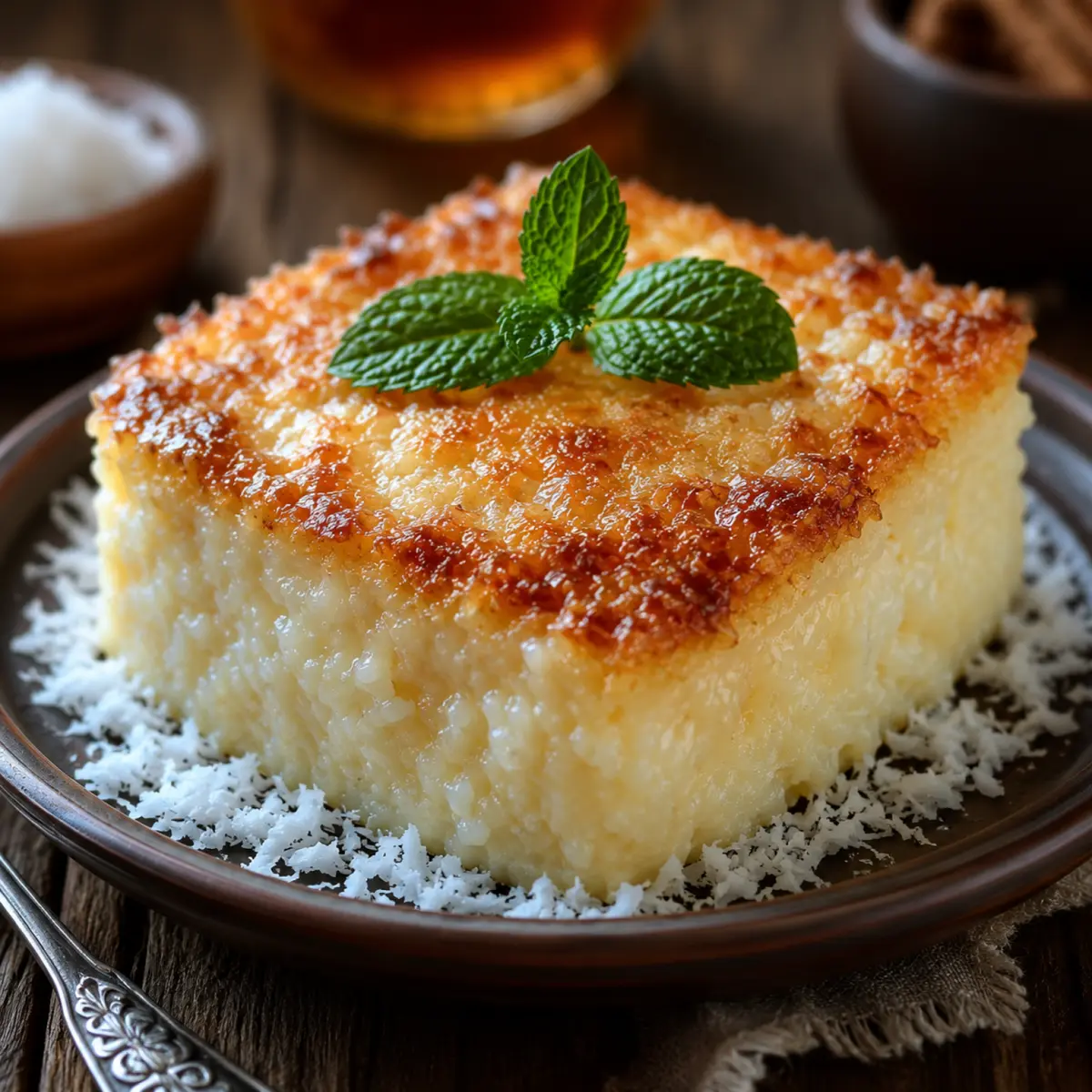

Coconut Cake Soaked with Sweetened Condensed Milk
Ingredients
Equipment
Method
- Preheat the oven to 350°F (175°C). Grease and flour a 9×13-inch baking pan.
- In a medium bowl, whisk together the flour, baking powder, baking soda, and salt. Set aside.
- In a large mixing bowl, beat the butter and sugar for 4–5 minutes until light and fluffy.
- Add the eggs one at a time, mixing well after each addition.
- Add the vanilla extract and coconut extract.
- Alternate adding the dry ingredients and the coconut milk mixed with sour cream, beginning and ending with the flour mixture.
- Fold in the shredded coconut.
- Pour the batter into the prepared pan and spread it evenly.
- Bake for 32–38 minutes, or until a toothpick inserted into the center comes out clean.
- While the cake bakes, whisk together the sweetened condensed milk, coconut milk, heavy cream, and vanilla extract until smooth.
- Allow the cake to cool for 10 minutes.
- Using the handle of a wooden spoon or a large skewer, poke holes all over the cake.
- Slowly pour the condensed milk mixture evenly over the surface and allow it to soak completely into the cake.
- Cool the cake completely.
- Beat the heavy whipping cream, powdered sugar, vanilla extract, and coconut extract until stiff peaks form.
- Spread the frosting evenly over the chilled cake.
- Cover the cake with sweetened shredded coconut.
- Garnish with toasted coconut flakes, white chocolate curls, fresh berries, and mint leaves.
- Refrigerate for at least 4 hours, preferably overnight.
- Serve chilled.