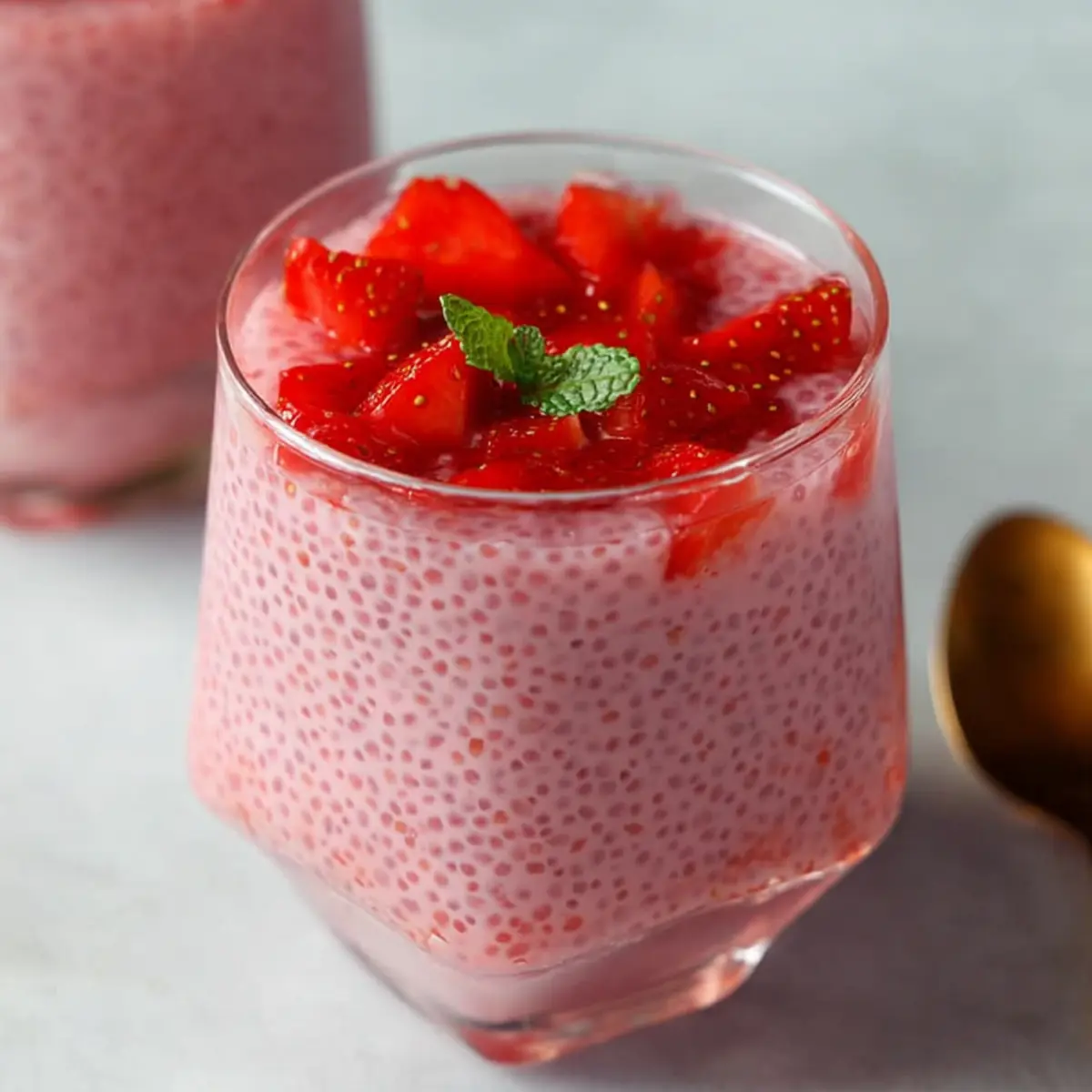
There’s something instantly nostalgic and summery about the scent of ripe strawberries hitting a cloud of warm coconut—that creamy, sweet aroma that pulls you right to the kitchen table. On the first hot day of the year, making strawberry sago feels like coaxing sunshine into a dessert bowl. Every spoonful is a mix of tender tapioca pearls, tangy-sweet strawberry, and the mellow richness of coconut milk. Whether I’m making it for a family treat or prepping ahead for a backyard dinner with friends, this four-ingredient strawberry sago is always the first thing to disappear from the table.
What Makes This Strawberry Sago So Refreshing and Satisfying
The beauty of strawberry sago is in its contrast: you get bouncy, chewy pearls suspended in a silky pink pudding, bursting with pure fruit flavor and just the right kiss of creamy coconut. It’s the kind of dessert that cools you from the inside out—perfect for those muggy afternoons when you want something sweet but not heavy. I love serving it chilled in little glasses at summer parties, the diced strawberries on top catching the light and making every guest’s eyes widen in anticipation. It’s quick to assemble, needs just a handful of ingredients, and balances fresh and decadent in a way that keeps everyone coming back for seconds.
The Ingredients That Give This Strawberry Sago Its Creamy and Fruity Flavor
The magic of this dessert lies in how simply these few ingredients come together to create something luxurious and light at the same time.
- strawberries – the star of the show, they give the pudding its bold pink color, fruity punch, and freshness; the riper the better for flavor.
- Tapioca pearls – those tiny, chewy pearls provide the signature “sago” texture; make sure to use the small uncooked kind for the best result.
- Sweetened condensed milk – brings rich sweetness and a creamy touch, tying everything together; you can add more or less to taste.
- Coconut milk (full-fat) – lends a luscious, tropical creaminess and carries the strawberry flavor beautifully; room temperature makes mixing easier.
- Fresh mint leaves (optional) – a pop of green and cool fragrance that perks up each serving right before you dig in.
See the recipe card below for the full list of ingredients and measurements.
Bringing This Strawberry Sago Together Step by Step
Making strawberry sago is delightfully straightforward—a few simple steps and you’re done. Here’s how the process unfolds in my kitchen, and the sensory cues you’ll want to look for:
- Bring a pot of water to boil and cook the tapioca pearls. As they simmer, their centers shift from opaque white to nearly clear. Once they’re barely translucent (you might spot a tiny white dot in the middle at first), take the pot off the heat and let the pearls rest, covered, to finish cooking through.
- Drain the cooked pearls and rinse them thoroughly under cold water. This removes excess starch and cools them down—don’t skip this rinse; it’s what keeps the pudding from getting gummy.
- Transfer the rinsed pearls to a big bowl. Stir your coconut milk so it’s smooth, then pour it over the pearls. You’ll notice the pearls take on a glossy sheen and swim in a cloud of coconut richness.
- Take most of your strawberries, hull and chop them, and blitz them in a blender with condensed milk until you have a smooth and creamy puree.
- Fold the strawberry mixture into your coconut-pearls base. Now’s the moment where things turn a gorgeous, soft pink. Taste and add more condensed milk if you want it sweeter.
- Dice the remaining strawberries into little cubes. Layer or fold them into each serving of sago pudding for that lively, fruity pop in every mouthful.
- Spoon the strawberry sago into glasses or bowls. If you’re feeling extra, tuck a fresh mint leaf on top just before serving for color and scent.
Tips on Getting That Perfect Creamy Pudding Texture
The real secret to luscious strawberry sago is all about timing and rinsing. Don’t rush the soaking step after you turn off the heat; letting the pearls sit covered in hot water helps them finish cooking evenly so they turn clear and springy, not mushy. Rinsing under cold water—generous, running water!—washes off residual starch so the final dish stays smooth without any stickiness. Using room-temperature coconut milk helps it blend in easily, preventing any lumps or clumps. And always taste your mixture before chilling; strawberries vary in sweetness, so you might want a drizzle more condensed milk to get things just right.
Easy Ways to Serve, Store, and Variation Ideas for Strawberry Sago
Strawberry sago is at its best served thoroughly chilled, so I like to make it a few hours before any gathering. Little glasses make for the prettiest presentation, but you can just as easily portion it into a big trifle bowl for a family-style dessert. Try a sprinkle of toasted coconut flakes, or switch up the fruit with juicy mango or a swirl of passionfruit for a twist. If strawberries are in season and extra sweet, you might find you need less condensed milk. The pudding keeps well covered in the fridge for up to two days; just give it a gentle stir before serving and top with fresh fruit right before enjoying. Avoid freezing—tapioca doesn’t hold its texture well when thawed.
FAQs about Strawberry Sago
Can I make strawberry sago ahead of time?
Absolutely, you can prepare strawberry sago a few hours to a day ahead. Just cover it and keep it in the fridge. Add the fresh diced strawberries and mint right before serving for the best texture.
What type of tapioca pearls is best for strawberry sago?
Use the small, uncooked tapioca pearls for this recipe. Minute tapioca or larger pearls have a different cook time and texture and won’t give you that classic sago pudding feel.
Can I substitute another milk for the coconut milk?
You can swap out coconut milk for another full-fat non-dairy milk like almond or oat, but the overall flavor will be less rich and lose that signature tropical taste. Dairy milk also works if you’re not avoiding it, though the pudding will taste less distinctly Southeast Asian.
How long will leftover strawberry sago last in the fridge?
Leftover strawberry sago keeps well in the fridge for up to two days. Make sure to cover it tightly to keep it from absorbing any fridge odors and give it a gentle stir before serving again.
Can I use frozen strawberries for strawberry sago?
Frozen strawberries work in a pinch—just thaw and drain off any excess juice before blending. Fresh strawberries will give you the brightest flavor and the best color and texture, especially in the topping.
After a long day, nothing feels more rewarding than diving into a chilled bowl of strawberry sago—those bright pink pearls, the creamy coconut, the hit of fresh berries in every bite. It’s a little everyday luxury that’s just as suited to a casual kitchen treat as it is to a showy dessert at a summer party. Next time you spot those perfect strawberries, you’ll know exactly what to do—there’s always room at the table for another bowl.
More Delicious Recipes
- Strawberry Sorbet: This refreshing frozen treat highlights the same sweet strawberry flavors and is perfect for warm days.
- Strawberry Lemonade Cupcakes: These delightful cupcakes combine the bright taste of strawberries and lemon, making them a great summer dessert option.
- Strawberry Sangria: This vibrant drink incorporates strawberries and can be a refreshing companion to your summer gatherings.

Easy 4-ingredient Strawberry Sago
Ingredients
Equipment
Method
- In a medium pot, bring 5 cups (1250 ml) of water to a boil over high heat. Add the tapioca pearls, reduce to medium heat, and cook for 10 minutes, stirring occasionally. Turn off the heat, cover, and let the tapioca soak in the hot water for 10-15 minutes until translucent. If a white dot remains in the center; cover and let sit for an additional 2-3 minutes.
- Strain the cooked tapioca through a fine-mesh sieve and rinse under cold running water until cooled, removing excess starch. Drain well and transfer to a large bowl. Open the canned coconut milk, stir it to combine, then pour it over the tapioca.
- Measure out 17.6 oz (500 g) of strawberries, reserving the rest. Remove the tops and transfer the hulled strawberries to a blender. Add the condensed milk and blend until smooth.
- Pour the strawberry mixture into the tapioca and coconut milk. Mix until well combined, then taste and adjust sweetness with additional condensed milk if needed.
- Remove the tops from the remaining strawberries and dice them into small cubes.
- Divide the pudding into four serving bowls or glasses. Top with the diced strawberries, or fold them into the pudding if preferred. Garnish with fresh mint and serve chilled.