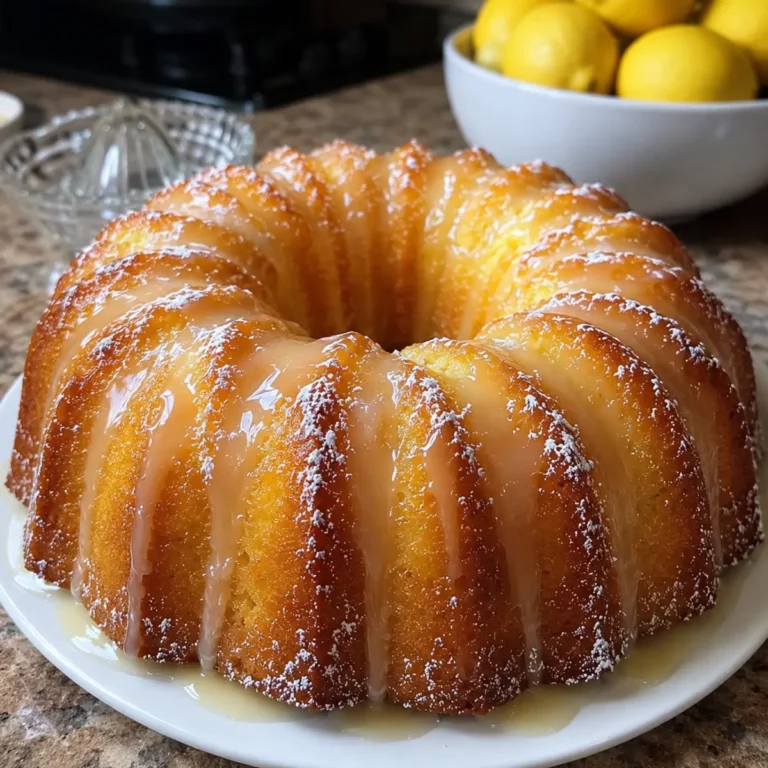
If you’ve ever strolled into a cozy Irish kitchen mid-afternoon, you might have found a simple vanilla cake dusted with a whisper of confectioner’s sugar waiting on the counter. That’s the beauty of Irish Tea Cake—understated, light, and meant to make ordinary moments feel a touch more special. The aroma when it’s baking is a little celebration all on its own: warm, buttery, and gently scented with vanilla. It’s the kind of treat you whip up with pantry basics, ready in time to pair with a mug of tea when friends drop by or as an old-fashioned “just because” for your own midday pause. There’s something about the tender crumb and subtle sweetness of Irish Tea Cake that always wins me over, especially when the afternoon sun slips across the kitchen table.
What Makes This Irish Tea Cake So Irresistible
There’s an effortless elegance to Irish Tea Cake that makes it feel timeless yet still somehow a little bit special every time you bake it. Unlike heavier cakes or those loaded with fillings, this tea cake focuses on pure, gentle flavors. The crumb is incredibly tender and moist—a soft, almost melt-in-your-mouth texture without being dense or overly rich. What truly stands out is the balance: it’s just sweet enough, allowing the buttery notes and the fragrant burst of vanilla to shine without being cloying.
One bite, and you’ll understand why it’s a staple for tea or coffee breaks in Ireland. Paired with coffee in the morning or served with afternoon tea, it brings a moment of calm comfort. It’s the kind of cake that doesn’t need flashy decoration; a light snowfall of powdered sugar is all it takes. This simplicity is what makes Irish Tea Cake feel so homely and irresistible, the kind of treat you never tire of sharing with friends old and new.
The Ingredients That Make This Tea Cake Shine
To get that classic Irish Tea Cake, it really comes down to a handful of familiar ingredients, each bringing something essential to the table:
- Butter – brings richness, a soft flavor, and helps keep the crumb tender; always best at room temperature for creaming.
- Granulated sugar – provides gentle sweetness and helps the cake develop a lovely golden color as it bakes.
- Eggs – bind everything together and add a touch of lightness; fresher eggs give a fluffier crumb.
- Vanilla extract – adds fragrant, warm depth to the cake; swap for lemon extract if you like a citrusy hint.
- All-purpose flour – forms the structure of the cake; sift if you want an extra-fine crumb.
- Baking powder – ensures the cake rises for that beautifully soft, airy texture.
- Salt – sharpens the flavors and subtly balances the sweetness.
- Whole milk – adds moisture, rounding out each bite and helping the cake stay soft.
- Confectioner’s sugar – the finishing touch; dusted over the cooled cake for that iconic “tea cake” look.
See the recipe card below for the full list of ingredients and measurements.
Bringing This Irish Tea Cake Together Step by Step
Baking Irish Tea Cake couldn’t be more straightforward, even if you’re usually a last-minute baker. Here’s how it comes together in your kitchen:
- Start by preheating your oven and preparing a round cake tin. Lining the base with parchment helps ensure a clean release when it’s time to serve.
- Cream the butter and sugar until pale and fluffy—this step is the secret to a delicate crumb, so don’t rush it. Once it’s cloudlike, beat in the eggs and vanilla until smooth.
- In a second bowl, whisk your dry ingredients to banish any lumps for an even, light texture.
- Fold the dry ingredients into the butter mixture, alternating with the milk. Mix until just combined—overmixing will toughen your tea cake, so stop as soon as you no longer see streaks of flour.
- Spoon the batter into your prepared tin and smooth the top gently. Bake until the cake is just golden and a toothpick in the center comes out with a few moist crumbs attached—watch closely, as overbaking will dry out the crumb.
- Let the cake cool in its tin to set the texture, then turn it out, ready for its finishing dusting of confectioner’s sugar. There’s something wonderfully old-fashioned about watching the sugar drift down over the still-warm cake.
Tips for a Moist, Tender Texture in Your Tea Cake
Achieving that characteristically moist, light crumb really sets an Irish Tea Cake apart. The key? Creaming the butter and sugar thoroughly gives you the lift and delicate mouthfeel you want. Be sure to have the butter at room temperature so it can integrate fully with the sugar and trap air as you beat. When adding the dry and wet ingredients, be gentle—overworking the batter is the fastest way to lose that cloudlike softness.
Bake just until done: use a skewer or your finger to check for doneness (a little spring to the touch is what you want, not a hard top). Every oven runs a bit differently, so start checking a few minutes before the timer buzzes. The fragrance as the cake nears readiness is your cue to stand by. If you’re feeling adventurous, tossing in a bit of finely grated lemon zest or swapping vanilla for lemon extract offers a lovely variation that still feels true to the heart of the recipe.
Serving, Storing, and Variations for Irish Tea Cake
The beauty of Irish Tea Cake is in its versatility. Serve thick slices alongside strong black tea, light breakfast coffee, or even with fresh seasonal berries and a spoonful of softly whipped cream. It also makes a gentle finish to brunch or a casual dinner, cut in little wedges for snacking. For a special touch, try layering slices with tart jam or lemon curd, transforming your tea cake into a rustic layer dessert.
If you need to store leftovers (though that’s a big “if”), keep the cake covered at room temperature for a day or two. For longer storage, wrap it well and refrigerate—the crumb stays surprisingly tender. You can also freeze individual slices; just let them come back to room temperature before serving, or give them a few seconds in the microwave for that just-baked warmth. If you want to adapt the cake, it works beautifully in mini bundt or cupcake tins—just adjust the bake time and be ready for the irresistible aroma to fill your kitchen even faster.
FAQs about Irish Tea Cake
Can I substitute another type of milk in Irish Tea Cake?
You absolutely can use a different milk based on what you have on hand. Whole milk gives the richest flavor and texture, but 2% or a barista-style oat milk work if you want to go dairy-free, though the crumb may be a touch less tender.
How do I keep my Irish Tea Cake from drying out?
To keep your tea cake moist, be careful not to overbake—it should be just golden and spring back lightly when pressed. Cool completely before covering, and if you’re storing for more than a day, a light wrap in foil or storing in an airtight tin helps retain that soft crumb.
Can Irish Tea Cake be made ahead and frozen?
Yes, this cake freezes beautifully. Cool it completely, then wrap in cling film and foil before freezing for up to three months. Thaw at room temperature, then add the dusting of powdered sugar just before serving for a freshly made feel.
What’s the best way to serve Irish Tea Cake for a gathering?
Cut the tea cake into generous wedges and serve on a platter with small bowls of jam, lemon curd, or softly whipped cream. It’s also lovely with fresh berries, bringing a splash of color and tartness alongside the tender cake.
Can I bake Irish Tea Cake in a different pan shape?
A standard round cake tin is classic, but you can also use a springform, loaf pan, or even make individual cakes in muffin tins. Just watch the baking time—smaller cakes will need less, so start checking early.
After a slice of Irish Tea Cake with the edges still slightly warm and that feathery dusting of sugar melting into the top, there’s a feeling of Irish comfort that just lingers. The simple, gentle sweetness and soft crumb always invite another sliver, especially with a mug of hot tea nearby. Whether you bake it for guests, quiet mornings, or just because, this tea cake brings that little taste of Irish warmth to your table every single time.
More Delicious Recipes
- Irish Cream Poke Cake: If you love the comforting flavors of Irish desserts, this cake adds a rich twist with Irish cream flavors.
- Lemon Truffles: These delightful sweets offer a citrus contrast that pairs beautifully with a classic tea cake for afternoon tea.
- No Bake Baileys Chocolate Pie: A decadent dessert that’s perfect to serve with your tea, combining creamy chocolate with a hint of Irish flair.
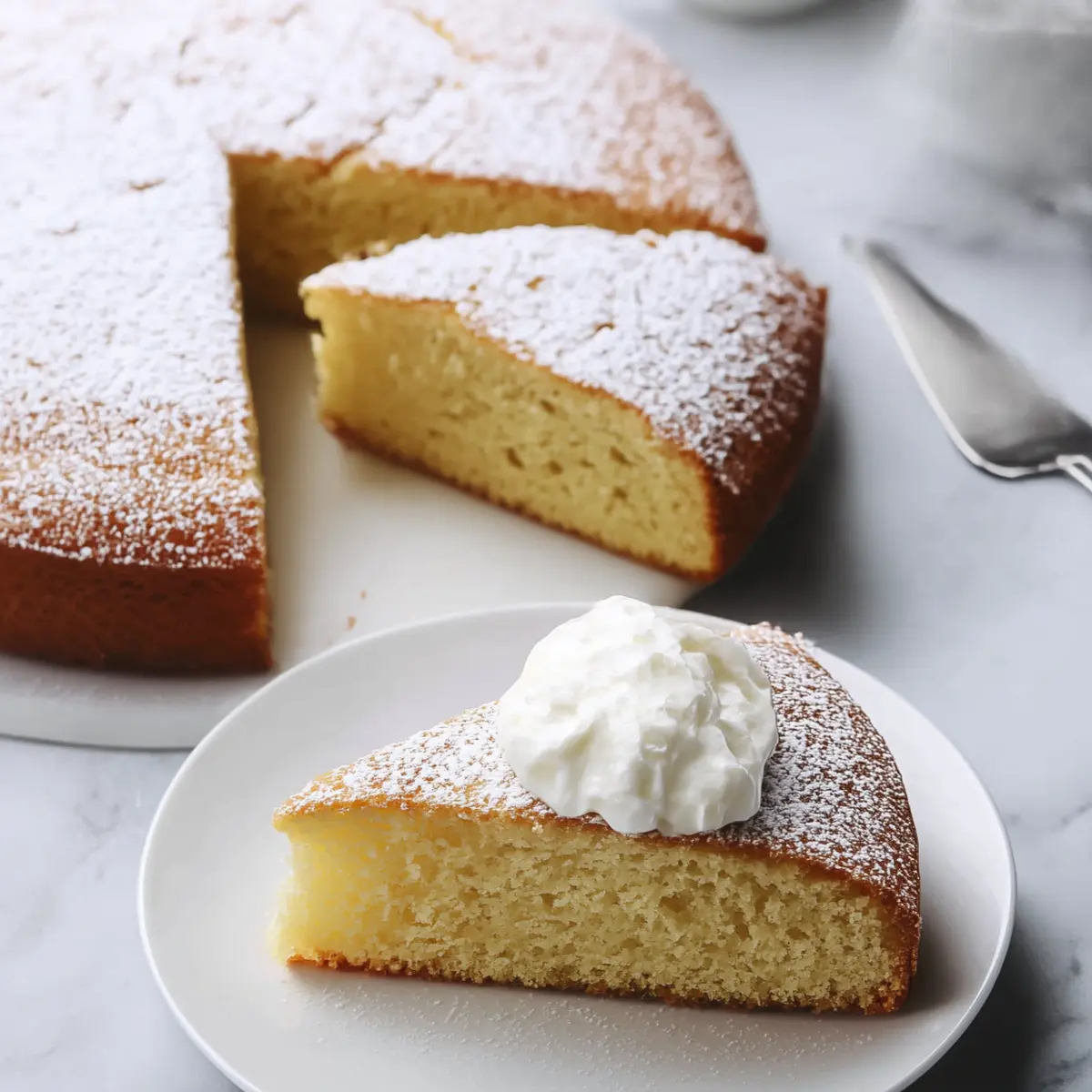

Irish Tea Cake
Ingredients
Equipment
Method
- Preheat oven to 350 degrees Fahrenheit. Grease a 9-inch round cake pan and set aside (optionally, add a round piece of parchment to the bottom for easy removal later).
- In a bowl, add butter and granulated sugar. Using a hand mixer (or stand mixer) beat until creamed and fluffy, about 1-2 minutes. Add eggs and vanilla extract and mix until creamy and smooth.
- In a separate bowl, add dry ingredients: flour, baking powder, and salt. Whisk to combine and remove clumps.
- Add half of dry ingredients to butter mixture and gently mix until just incorporated. Add half of milk and gently mix to incorporate. Repeat once more to incorporate remaining dry ingredients and milk. Do not overmix.
- Pour batter into prepared 9-inch cake pan. Bake for about 32 minutes, or until a toothpick inserted into the center comes out with crumbs, not batter. Or, gently press into the top of the cake with a finger. If cake springs back right away, it's done. If it leaves an indent, your cake needs more time.
- Cool cake in pan on a wire cooling rack. Once cooled, turn out onto a serving plate and dust the top with confectioner's sugar just before serving.