They say life gives you lemons, but when you’ve got a craving for something bright and soft, a Lemon Bundt Cake is really what you want. You can actually smell the citrus wafting through the kitchen as it bakes—warm, tangy, and just begging for a thick glaze. This is the kind of cake that feels like sunshine on the counter, gorgeous golden outside with a gentle, zesty crumb inside.
Whether you’re planning a spring brunch or hankering for a sweet afternoon treat, this classic Lemon Bundt Cake brings a whole lot of cheer with every slice. From the aroma while it bakes to that moment when the glaze sets into lustrous drips, there’s truly nothing quite like it.
What Makes This Lemon Bundt Cake Stand Out
If you love cakes that deliver a burst of flavor and a gorgeous presentation with almost zero fuss, you’re in the right place. Lemon Bundt Cake strikes that sweet spot between the nostalgic comfort of a classic pound cake and a bakery-worthy showstopper. The fresh lemon zest and juice create an unmistakable zing that cuts through the richness, while the outer crust bakes up golden and slightly crisp.Baking this cake fills your kitchen with pure citrus joy—plus, those pretty ridges from the Bundt pan make it look far more impressive than the effort it takes. Whether for birthdays, celebrations, or a weekend “just because” treat, this Lemon Bundt Cake grabs attention and wins hearts.
Ingredients That Brighten a Lemon Bundt Cake
If you want that unmistakable Lemon Bundt Cake flavor, the ingredients carry the real magic. Each one has its own role, working together for maximum brightness and perfect moistness. Here’s a closer look at what you’ll need:- Lemon zest – The aromatic oil from zest infuses the batter with bold, fresh citrus aroma.
- Lemon juice – Provides that essential tang and livens up both taste and crumb.
- All-purpose flour – The support structure for your cake, keeping it light but stable.
- Granulated sugar – Sweetens and helps create a tender, golden exterior.
- Butter – Brings flavor and moistness; make sure it’s softened for easy creaming.
- Eggs – Add structure, richness, and that lovely pale yellow hue.
- Baking powder – Lifts the cake so it’s airy, not dense.
- Salt – A small but mighty ingredient to balance the sweetness and boost lemon notes.
- Milk or buttermilk – Keeps the crumb soft; buttermilk adds a bit more tang if you want it.
- Powdered sugar – For that signature drizzle of simple lemon glaze at the end.
See the recipe card below for the full list of ingredients and measurements.
The Lemon Bundt Cake Baking Process
Bringing a Lemon Bundt Cake together isn’t tricky, but a few thoughtful steps make a big difference. Here’s how you create that cloudlike crumb and bright flavor—all while savoring the lemony goodness along the way.- Prep your Bundt pan well, making sure every curve gets a slick of butter and a dusting of flour for an easy release.
- Cream the butter and sugar until it’s light, pale, and fluffy. This extra air gives you a soft, delicate cake crumb.
- Add the lemon zest and juice to the creamed mixture so their fragrance and flavor deeply infuse through the batter.
- Beat in the eggs, one at a time, letting each disappear fully before adding the next. The color will get a lovely yellow boost.
- In a separate bowl, whisk together flour, baking powder, and salt to evenly distribute the leavening magic.
- Alternately add the flour mixture and milk (or buttermilk) to the wet ingredients, mixing gently until everything is just smooth and streak-free.
- Spoon the finished batter into your Bundt pan, smoothing the top with the back of a spoon, and give the pan a gentle tap to release any bubbles.
- Bake until the cake is golden, fragrant, and a toothpick poked in comes out clean, with maybe a moist crumb clinging.
- Cool in the pan before inverting onto a rack. Listen for that satisfying “thunk”—the sign of a cake ready for glazing.
- Mix powdered sugar with more lemon juice to make a pourable glaze, then drizzle over once the cake is completely cool, letting it run into those beautiful Bundt ridges.
Texture Tips and Cake Success
Even with a straightforward recipe like Lemon Bundt Cake, a little know-how goes a long way toward a perfect end result. The goal is a cake that’s tender, moist, and never dry or gummy.- Don’t skimp on prepping your Bundt pan—stuck cake is the only real tragedy here.
- Cream the butter and sugar adequately for lightness; don’t rush this step.
- Mix only until just combined once you add the dry ingredients. Over-mixing can make cake tough.
- Let the cake cool for a bit in the pan, but not so long that condensation makes the crust soggy.
- If the glaze is too thick, add a touch more lemon juice; if too thin, sprinkle in a little extra powdered sugar until you get beautiful drips.
It’s a cake that rewards patience and a gentle touch. Watch for the golden edges and trust your nose—a deep lemon scent means you’re close to done.
Creative Variations and Serving Ideas
Lemon Bundt Cake is endlessly adaptable. You can fold in a handful of fresh blueberries for bursts of color and tartness, or add a swirl of raspberry jam before baking for extra visual flair. Swap the glaze for a cream cheese drizzle if you want something richer, or go super simple and dust with powdered sugar.It pairs beautifully with a cup of black tea or iced coffee. For serving, try with whipped cream, a scoop of vanilla ice cream, or even a citrusy fruit salad on the side. Dress it up for special occasions with edible flowers or thin lemon slices as garnish.
Storing and Saving Your Lemon Bundt Cake
To keep your Lemon Bundt Cake moist and flavorful, store any leftovers covered at room temperature for a couple of days. If you want to keep it fresher longer, wrap slices tightly in plastic or foil and refrigerate.For freezing, let the cake cool completely, then wrap well and freeze. Thaw slices at room temperature. If you’re planning ahead, you can bake the cake in advance (without glaze), freeze, then thaw and glaze just before serving for the freshest taste and prettiest finish.
FAQs about Lemon Bundt Cake
Can I use bottled lemon juice instead of fresh lemons for Lemon Bundt Cake?
Fresh lemon juice is best for Lemon Bundt Cake because it gives a brighter, more natural flavor. Bottled juice can work, but the taste may be a little less vibrant. If possible, use real lemons, especially for zest. The natural oils in zest simply can’t be replaced.
How should I store leftover Lemon Bundt Cake?
Store the cake covered at room temperature for short-term freshness, or refrigerate wrapped slices to keep them moist longer. For best flavor, let refrigerated cake come to room temperature before serving. You can also freeze slices for a month or so, just glaze after thawing for a fresh finish.
Why did my Bundt cake stick to the pan?
This usually happens if the pan wasn’t greased and floured well enough. Take extra time to coat every nook and cranny, reaching into all the pan’s crevices. Letting the cake cool in the pan just until warm—never fully cold—helps it release cleanly too.
Can I make the batter ahead for Lemon Bundt Cake?
It’s not ideal to make the batter far ahead, as the leavening power of baking powder fades quickly once mixed. Instead, prep your ingredients in advance, then combine and bake when ready for the best rise and crumb texture. If you need to make ahead, bake and freeze the finished cake without glaze, then thaw and finish on the day you serve.
Bringing the Sunshine Home
Lemon Bundt Cake is all about simple joys—vivid citrus, a soft buttery crumb, and the kind of glaze that pools invitingly in every swirl. Whether you slice it thick for breakfast or share it over coffee with friends, this cake brings that cheerful bakery feeling right to your kitchen. One bite, and you can almost feel the sun streaming in.What To Try Next
If you’re in the mood for more sweet treats with fresh fruit or creamy textures, these picks are a great follow-up.
- Peach Cool Whip Pie — shares bright, fruity flavors that complement lemon beautifully.
- No Bake Biscoff Cheesecake Bars — offers a creamy texture contrast perfect after a cakey dessert.
- Strawberry Cheesecake Dump Cake — same cozy baking style with a seasonal berry twist.
Recommended Equipment
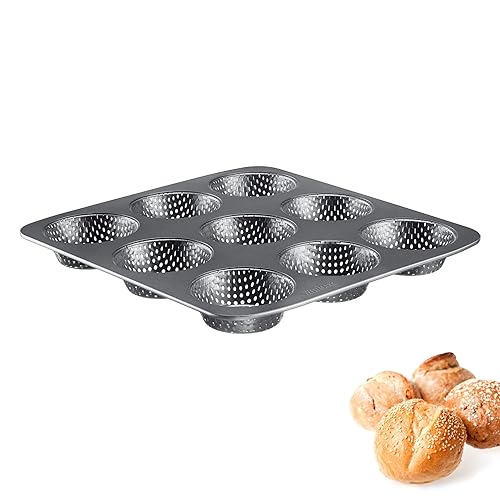
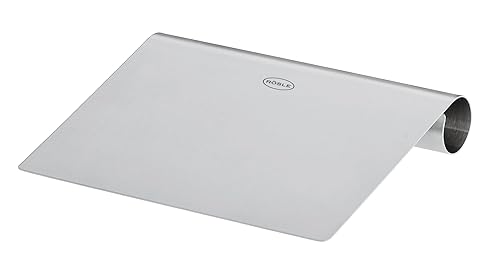
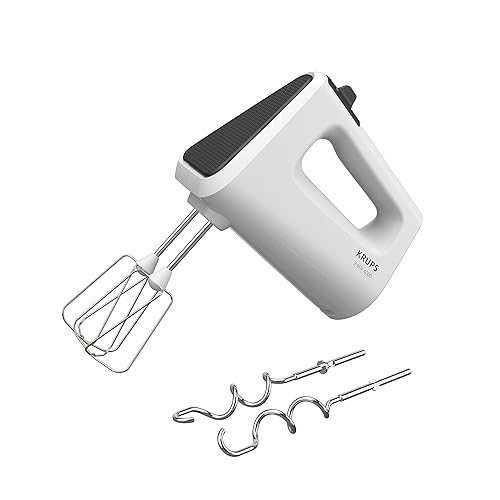
* As an Amazon Associate, I earn from qualifying purchases. There is no extra cost to you.
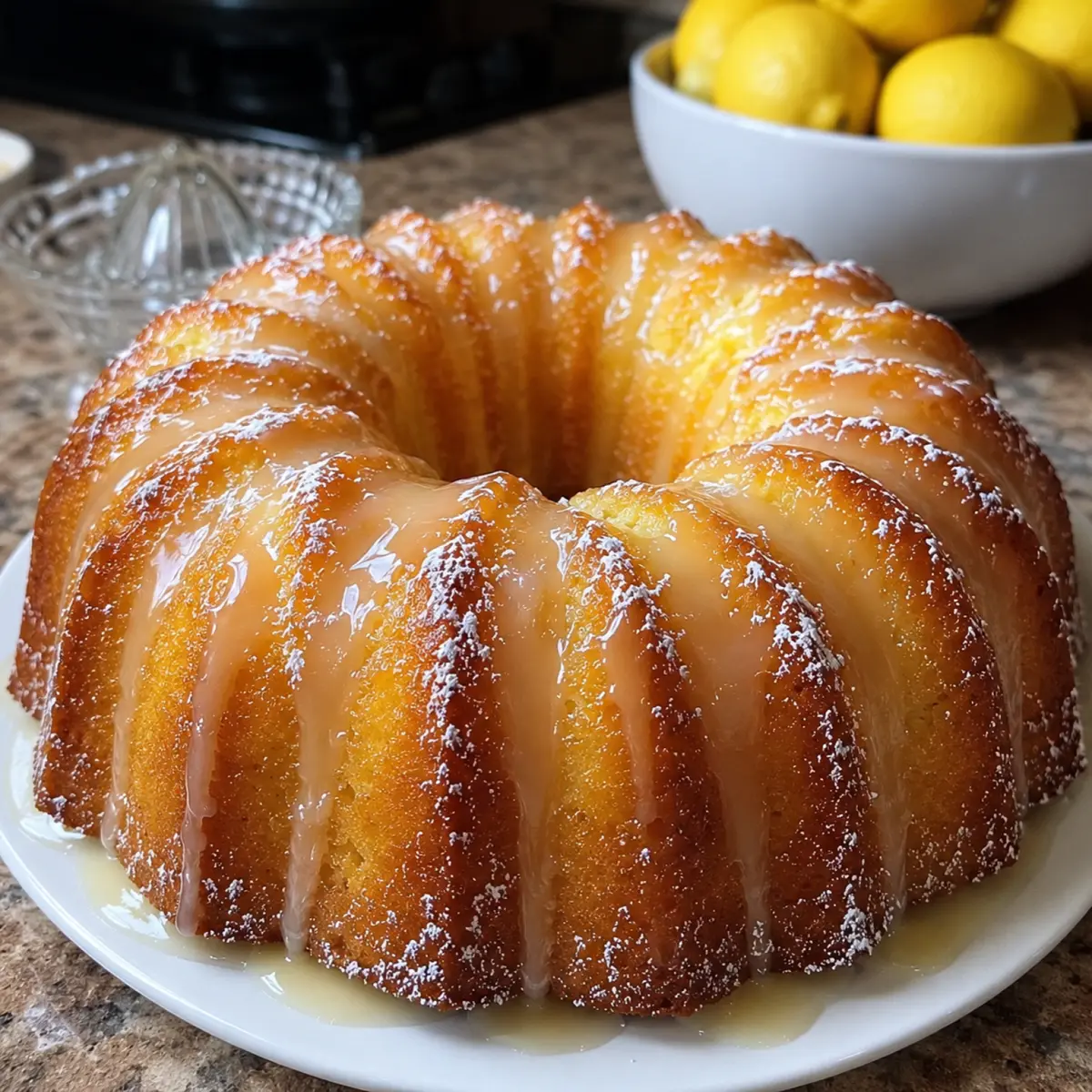

Lemon Bundt Cake
Ingredients
Equipment
Method
- Prep your Bundt pan well, making sure every curve gets a slick of butter and a dusting of flour for an easy release.
- Cream the butter and sugar until it’s light, pale, and fluffy. This extra air gives you a soft, delicate cake crumb.
- Add the lemon zest and juice to the creamed mixture so their fragrance and flavor deeply infuse through the batter.
- Beat in the eggs, one at a time, letting each disappear fully before adding the next. The color will get a lovely yellow boost.
- In a separate bowl, whisk together flour, baking powder, and salt to evenly distribute the leavening magic.
- Alternately add the flour mixture and milk (or buttermilk) to the wet ingredients, mixing gently until everything is just smooth and streak-free.
- Spoon the finished batter into your Bundt pan, smoothing the top with the back of a spoon, and give the pan a gentle tap to release any bubbles.
- Bake until the cake is golden, fragrant, and a toothpick poked in comes out clean, with maybe a moist crumb clinging.
- Cool in the pan before inverting onto a rack. Listen for that satisfying “thunk”—the sign of a cake ready for glazing.
- Mix powdered sugar with more lemon juice to make a pourable glaze, then drizzle over once the cake is completely cool, letting it run into those beautiful Bundt ridges.