There’s something magical about the first crisp bite of meringue cookies. Light as air with a whisper of sweetness, they dissolve on your tongue, leaving just a trace of vanilla (or almond, if you choose) behind. These meringue cookies are as fun to make as they are to eat—the kind you want to bring out for holidays, share as a handmade gift, or simply enjoy alongside a hot cup of coffee on a quiet afternoon.
Made with simple pantry staples and a little patience, this recipe delivers cookies that are naturally gluten-free and entirely customizable. I still remember making these on a rainy Saturday, the soft hum of the mixer blending with the sound of rain, and the scent of vanilla filling the kitchen.
Essential tools for fluffy meringue cookies success
To get those cloud-like meringue cookies every time, you’ll want to gather a few specific tools. Each plays a role in helping you whip those whites into silky peaks and achieve that perfect crisp exterior:
- Electric mixer – A stand mixer or hand mixer will save your arm and guarantee the strong, consistent whipping needed for stiff peaks.
- Mixing bowl – Make sure it’s immaculately clean and dry so your egg whites whip up properly.
- Parchment paper or foil – Prevents sticking and makes cleanup simple.
- Cookie sheets – For baking. Doubling them helps protect the meringue from over-browning on the bottom.
- Pastry bag with a tip or a spoon – For shaping; either will work to create those signature mounds.
What goes into perfect meringue cookies
The beauty of meringue cookies lies in their simplicity. Here’s a look at each ingredient and what it brings to the table:
- egg whites – The airy backbone of the cookie, creating volume and that meltaway texture.
- Cream of tartar – Offers acidity for stability, ensuring your cookies don’t deflate.
- Salt – Balances out the sweetness and sharpens the flavors.
- Vanilla extract (or almond extract) – Adds depth and warmth, or a hint of nutty almond if that’s your preference.
- Fine sugar – Dissolves perfectly into the meringue for a smooth and glossy finish.
See the recipe card below for the full list of ingredients and measurements.
Making meringue cookies step by step
- Preheat and prepare: Set your oven to 150°C. Line your cookie sheets with parchment paper or foil—this ensures the cookies lift easily once baked.
- Whip the egg whites: In a spotless, dry mixing bowl, add the egg whites, cream of tartar, salt, and your chosen extract. Start beating with your mixer until you see soft, billowy peaks forming and the mixture looks fluffy but not dry.
- Add sugar in stages: Gradually pour in about half of the fine sugar while the mixer is running. Beat until the mixture stands in stiff, glossy peaks that hold their shape. Add the rest of the sugar all at once, using your mixer’s lowest speed to gently fold it in for just 3–4 seconds.
- Shape the meringues: Fill a pastry bag fitted with a 1,25 cm tip (plain or decorative), or simply use a spoon, and pipe or dollop the meringue mixture onto your prepared sheets. Make mounds about 4 cm wide, leaving space between each to allow steady airflow.
- Bake and dry: Stack a second baking sheet underneath your loaded tray (for insulation) and bake for 20 minutes. Then turn off the oven, carefully crack the door, and let the cookies dry for another 30 minutes—this extra step gives them that signature airy snap and marshmallowy middle. Allow the cookies to cool fully before peeling them off the parchment.
Tips, troubleshooting, and classic meringue mistakes
Meringue cookies may feel a touch intimidating, but you can absolutely master them on your first try. Here’s how to avoid the usual pitfalls:
- Fat or moisture in the bowl? Even a hint of egg yolk or water can prevent whites from whipping. Make sure your bowl and beaters are bone dry and squeaky clean.
- Peaks not forming? It could be humidity or leftover grease. Try using room-temperature eggs, and double-check your equipment’s cleanliness.
- Grainy texture? The sugar may not have dissolved completely. Stick with fine (caster) sugar, and beat it in slowly to ensure it melts into the whites.
- Cracks on top? This usually means they baked too hot or cooled too fast. Double-sheeting the pans and letting them cool in the oven with the door ajar helps avoid this.
- Sticky bottoms? The meringues might not have baked long enough. Let them dry fully in the oven before removing.
Don’t worry if your first batch isn’t model-perfect—they’ll still taste like sweet, magical clouds.
Pairings and creative variations for meringue cookies
Meringue cookies are wonderfully versatile. Try serving them as a delicate dessert alongside fresh berries, fruit compote, or a sharp lemon curd. They’re lovely with a cup of black coffee, an afternoon tea, or even crumbled over ice cream for a touch of whimsy.
Want to mix things up? You can swap vanilla extract for almond, swirl in chocolate or fruit powders before baking, tint the meringue with a bit of natural food color, or sprinkle chopped nuts, cocoa nibs, or shredded coconut on top. For the holidays, add a dash of peppermint extract or shape them into festive forms—tiny nests, hearts, or even snowmen.
FAQs about Meringue Cookies
How long do meringue cookies stay fresh?
Store meringue cookies in an airtight container at room temperature. They’ll keep their crisp texture for up to two weeks, though humidity can cause them to soften over time. If you notice them getting sticky, you can refresh them with a short spell in a low oven.
Can I freeze meringue cookies for later?
Yes! Let the cookies cool completely first, then layer them between sheets of parchment in a freezer-safe container. They freeze well for up to one month. Thaw them at room temperature for the best texture.
What if I want to make my meringue cookies dairy- or nut-free?
This recipe is naturally dairy-free as written. For nut allergies, simply use vanilla extract instead of almond. Always double-check your extracts and other add-ins to ensure they meet your dietary needs.
The magic of homemade meringue cookies
When you take the time to whip up a batch of meringue cookies, it’s more than just baking—it’s a little kitchen alchemy. From their shatteringly crisp shells to the gentle sweetness within, these cookies bring lightness to any table. Whether you share them as a gift or savor a few with your morning coffee, there’s pure joy in every bite. Enjoy the melt-in-your-mouth magic—they’re proof that a handful of simple ingredients can create something truly special.
More Delicious Recipes
- Andes Mint Chocolate Cupcakes: These cupcakes feature a light and fluffy texture similar to meringue, enhanced by minty goodness.
- St Paddy’s Mint Cheesecake Cups: A delightful dessert that combines creamy textures with an airy taste, perfect for serving alongside meringue cookies.
- St Patrick’s Day Truffles: These festive truffles are a fun and sweet treat that complements the lightness of meringue cookies.
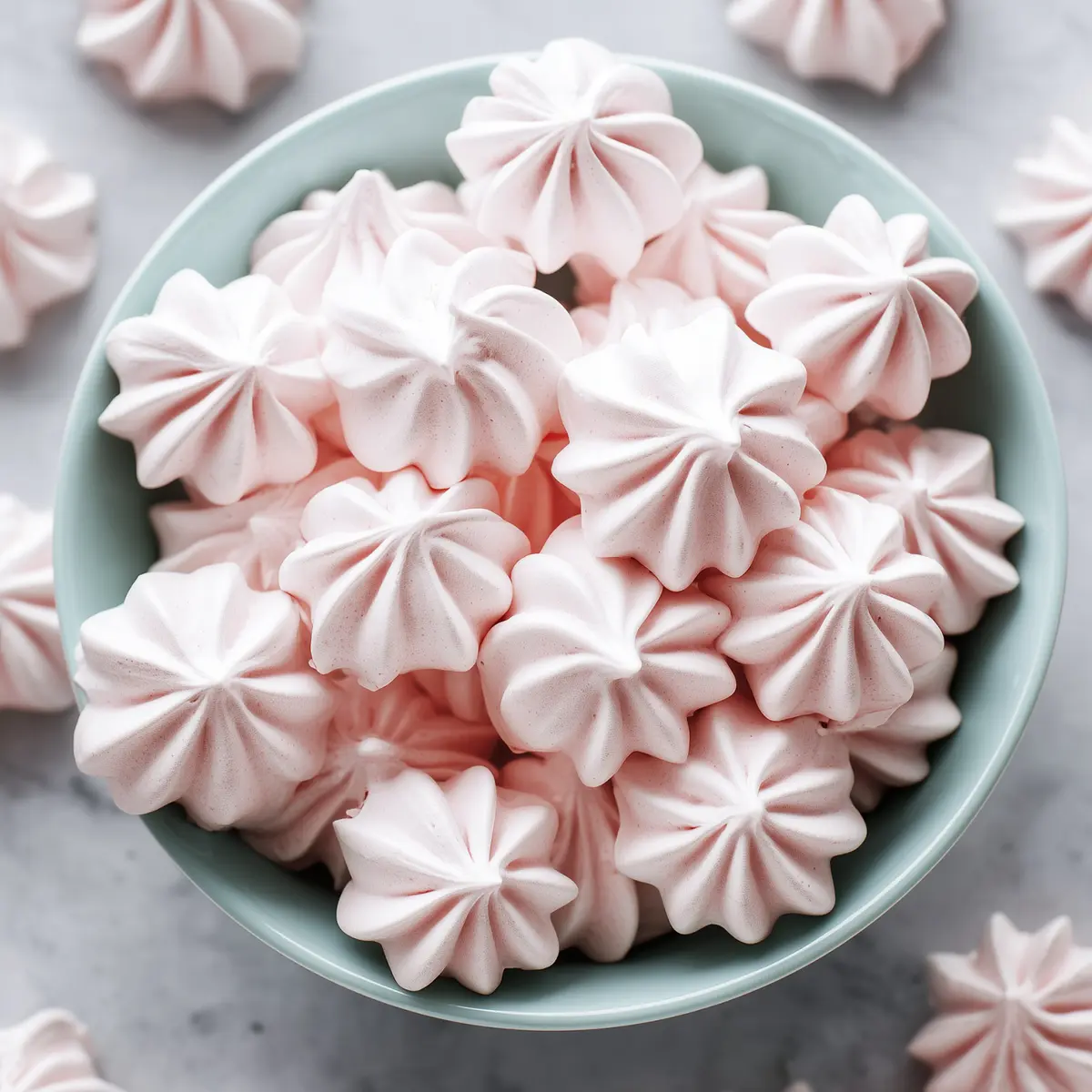

Meringue Cookies for Any Occasion
Ingredients
Equipment
Method
- Preheat the Oven: Set your oven to 300°F. Line cookie sheets with parchment paper or foil to ensure easy cleanup and perfect meringues.
- Prepare the Egg Whites: Place the egg whites, cream of tartar, salt, and vanilla or almond extract into a clean, dry mixing bowl. Beat with an electric mixer until soft peaks form.
- Incorporate the Sugar: Gradually add about half of the sugar while continuing to beat. Keep mixing until the whites stand in stiff peaks. Add the remaining sugar all at once and fold it in gently at the lowest mixer speed for 3-4 seconds.
- Shape the Meringues: Using a pastry bag fitted with a 1/2-inch plain tip or other tip of your choosing (or a spoon if you don’t have one), shape the meringues into 1 1/2-inch mounds on the prepared baking sheets. Leave about 1 inch between each mound.
- Bake and Cool: Double-pan the sheet (placing one baking sheet on top of another) and bake for about 20 minutes. Turn off the oven, crack the door slightly, and allow the meringues to dry out for an additional 30 minutes. Let them cool completely before removing from the parchment paper.