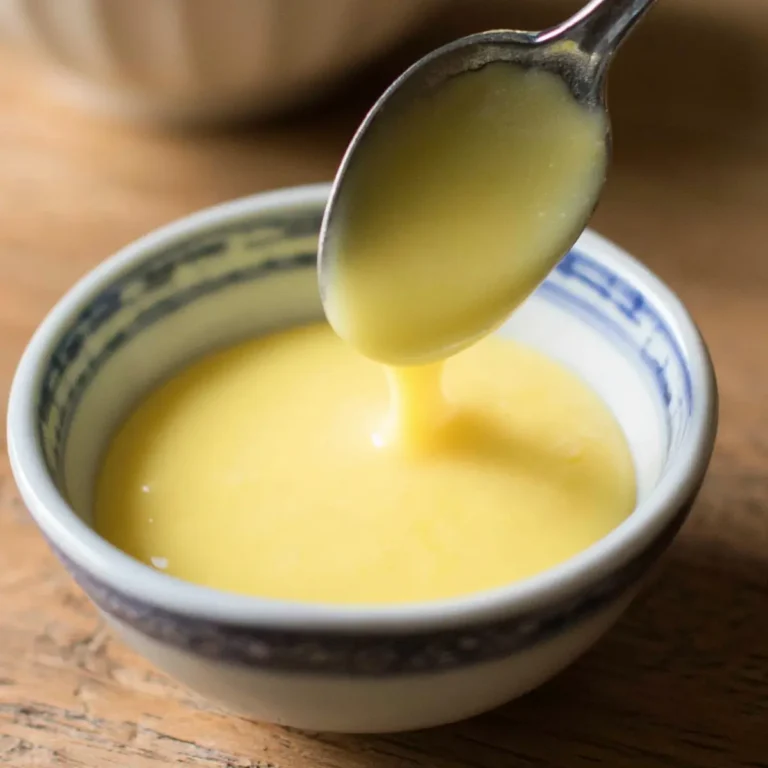
If your fridge has ever let you down with a store-bought mayonnaise that tasted bland or thin, you’ll be genuinely surprised at how effortless it is to make creamy, tangy mayo from scratch—right in your own kitchen. No fancy whisking and no mystery ingredients. This silky classic is all about rich flavor, a beautiful pale color, and that velvety texture that clings just right to a spoon (or, let’s be honest, a crunchy fry).
There’s something oddly comforting about watching oil and egg transform in seconds, the tang of mustard wafting up as the emulsion comes together. Homemade mayonnaise is fresher, punchier, and has so much more personality than anything you’ll pull from a jar. I first learned the technique in a bustling culinary school kitchen, but trust me—it’s now my “secret weapon” for instant flavor whenever sandwiches, salads, or dressings are on the menu.
Why Homemade Mayonnaise Always Wins
There’s a reason I keep coming back to making mayonnaise at home, even after all those easy, convenient jars lined up on supermarket shelves. When you whip up your own, you get to control every bit of flavor: that just-right zing of lemon, the subtle tang from good vinegar, and the silkiness you’ll never find in the processed stuff.
Homemade mayonnaise feels decadent, but it’s surprisingly affordable and endlessly adaptable. You know exactly what’s going in—no preservatives, no fillers—which means a cleaner taste and a creamier texture. It also comes together in literal seconds if you have an immersion blender. And let’s be honest, the sense of accomplishment you get from turning a short list of humble ingredients into a thick, luscious spread doesn’t hurt one bit.
If you’re someone who craves that classic, tangy mayo flavor (think Hellmann’s or Duke’s), or you just want your sandwiches, salads, and dressings to actually pop, this method is a total game-changer. It’s also a conversation starter—friends and family will honestly be shocked when they find out you made it yourself.
Ingredients That Make Mayonnaise Shine
This isn’t the place for long ingredient lists or tricky specialty items. Each piece really does its job to deliver those familiar, crave-worthy flavors:
- Whole egg – The backbone of homemade mayo, binding everything together and giving it body and richness.
- Prepared yellow mustard – Adds a sharp brightness and a hint of golden color while also helping the mixture emulsify beautifully. Dijon can work too if you prefer more bite.
- Salt – Don’t skip this. Salt punches up every other flavor, giving depth to the finished mayo.
- Granulated cane sugar – Just a touch softens acidic notes and rounds out the overall flavor, so the mayo isn’t too sharp or flat.
- Lemon juice – Freshly squeezed is best, offering a clean acidity and a little fragrant citrus note that sings through each bite.
- White distilled vinegar – The secret to that classic tang; it “lifts” the whole flavor profile and works to keep the texture thick and creamy.
- Sunflower oil – Light, neutral, and silky. It won’t overpower the other flavors or make the mayo heavy. Other neutral oils like light olive or avocado oil can be swapped in if you want a different twist.
See the recipe card below for the full list of ingredients and measurements.
The No-Fuss Way to Make Creamy Mayonnaise
Let’s get that silky, restaurant-worthy mayonnaise from scratch—no messy splatters, no guesswork. Here’s how I do it most days, with my immersion blender always within reach.
- Layer your ingredients in the right order. Grab the tall, narrow cup that comes with your blender (or one that’s just wide enough for the blade but not too big). Crack in your whole egg first, then add prepared mustard, a squeeze of lemon juice, a splash of vinegar, salt, and sugar—finally pouring the oil right on top. Don’t stir or mix before blending. The correct layering is truly the secret here!
- Emulsify without moving at first. Plunge the stick blender all the way to the bottom and press the button. Let it do its thing, completely still, until you see the bottom half of the mayo start to cream up and turn pale and thick. You’ll notice the scent shift as the mustard and lemon blend.
- Slowly lift and mix. Once you can see that thick mayonnaise at the base, slowly raise the blender through the oil above. This pulls in the oil gradually, making sure no part is left oily or unblended. Once most of it looks creamy, I like to move the blender up and down a couple times to snag any last streaks of oil. The mixture should become quite thick—almost hard to move the blender through.
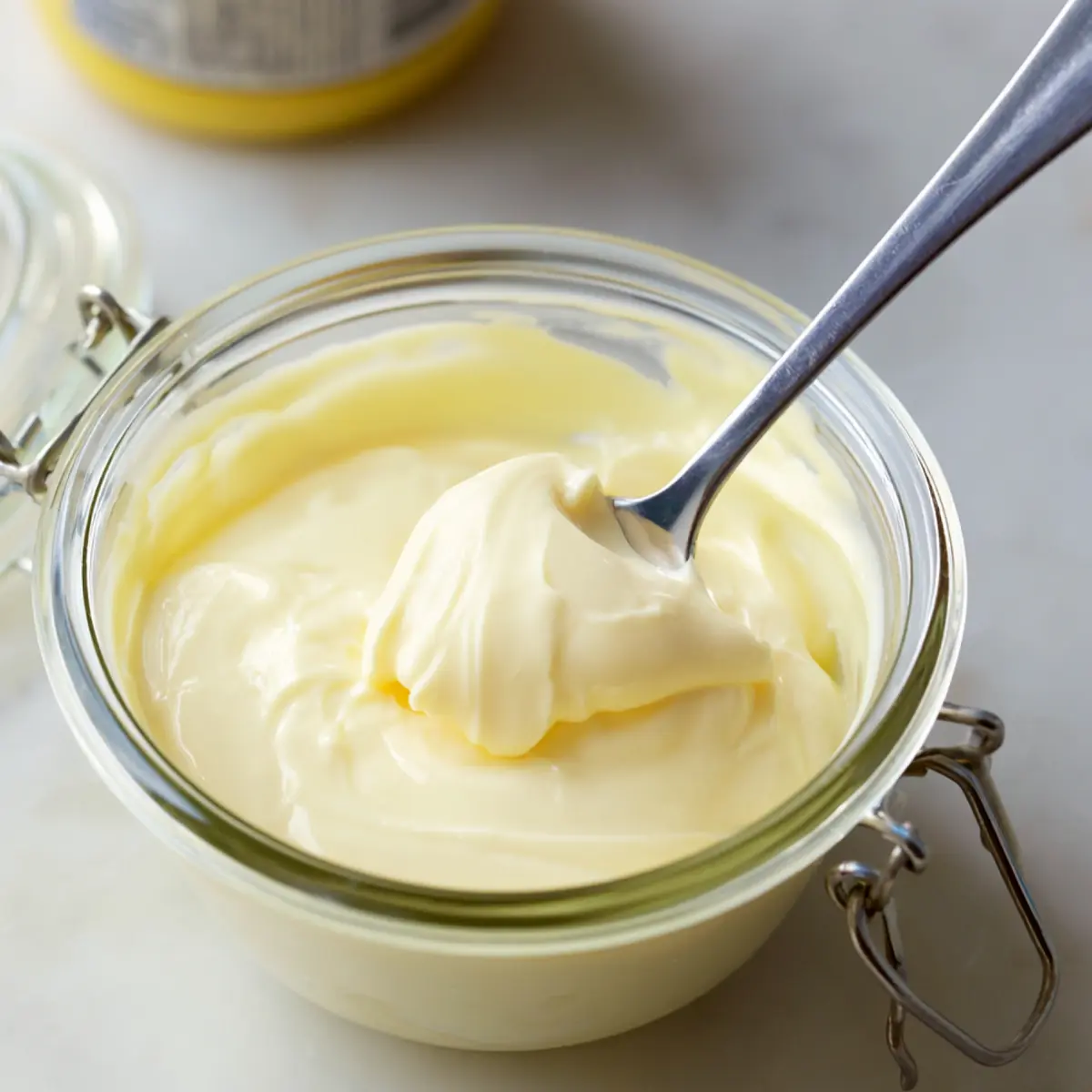
- Finish and transfer. Give your mayonnaise a gentle final stir by hand. That’s it! Spoon it into a clean jar or a squeeze bottle. Store it in the fridge, where it’ll stay gorgeously thick and ready for anything (up to a month, though good luck keeping it around for that long).
Pro Tips for Flawless Homemade Mayonnaise
A few little details make the difference between mayo success and a soupy, sad sauce. These are the tricks I wish someone had told me sooner:
– Temperature matters. If your egg and oil are both at room temp, the emulsion happens much more quickly and stays put. Cold ingredients can make it harder for everything to come together.
– Be patient at first. Resist the urge to move your stick blender while blending. Hold steady until you spot that first magic sign of thickening at the bottom.
– Too thin? If your mayonnaise ends up runny, don’t toss it! You can blend in another egg yolk or drizzle in a bit more oil, mixing very slowly, and it usually thickens right up.
– Too thick? For overly stiff mayo, blend in a splash of water or lemon juice to loosen (a teaspoon at a time), blending after each addition.
– Oil makes a difference. Using a neutral oil is crucial for classic flavor. Avoid extra-virgin olive oil unless you’re after a bold, peppery taste—sometimes it even turns the mayo bitter.
– Store properly. Homemade mayonnaise needs to be kept in an airtight container in the fridge. Always use a clean spoon or knife each time to prevent cross-contamination, and never leave it out at room temp for long.
– Scaling up? Double or triple the batch, but don’t go overboard in a single blend for best consistency. Make separate mixes rather than trying to blitz a giant batch at once.
– Want longer shelf life? The acidity from lemon and vinegar helps, but always keep a close eye (and nose) out for changes in smell or texture. When it’s off, you’ll know.
Tasty Twists and Smart Ways to Use Your Mayo
Homemade mayonnaise is a starting point, not a finish line. Once you’ve nailed the base, the possibilities are genuinely endless.
Craving a little heat? Whisk in some cayenne or smoked paprika. Want extra tang? Up the lemon juice or swap white vinegar for apple cider vinegar. Add chopped herbs (chives, dill, tarragon), a dollop of roasted garlic, or a spoonful of sriracha for bold, modern flavors.
For classic pairings, nothing beats slathering fresh mayonnaise on hearty bread with crisp lettuce and juicy tomatoes. Use it as the creamy base for chicken or egg salad, swirl it into potato salad, or dollop atop grilled summer vegetables. It’s the secret star in homemade ranch, coleslaw, or deviled eggs.
You can even thin your mayo with a bit of buttermilk or yogurt for a punchy salad dressing—or mix with ketchup for the world’s easiest burger sauce. Feeling fancy? Stir in minced cornichons, capers, and a little white pepper for a quick homemade tartar sauce.
If you want to prep ahead, this mayo sits happily in the fridge for weeks. And if you haven’t tried freshly made mayonnaise as a base for aioli or rémoulade—prepare to be converted.
FAQs about Mayonnaise
How long does homemade mayonnaise keep in the fridge?
As long as it’s stored in a clean, airtight container, homemade mayonnaise can last up to a month in the fridge. Always use clean utensils and inspect for any changes in smell, color, or texture before using if it’s been longer than a couple of weeks.
Can I freeze mayonnaise?
Freezing mayonnaise isn’t recommended. The emulsion tends to break when thawed, which leaves you with a separated, watery texture that’s really tough to fix. It’s best made in manageable batches and kept in the fridge.
Is it safe to use raw eggs in mayonnaise?
Yes, most traditional mayonnaise recipes use raw egg, but always use the freshest eggs possible from a trusted source. If you’re concerned, look for pasteurized eggs to lower any risk—or try a pasteurized egg yolk-only version.
What oil is best for making mayonnaise at home?
Neutral oils like sunflower, canola, or light olive oil are ideal because they don’t overpower the other flavors. Strong oils like extra-virgin olive oil can make the mayonnaise bitter or heavy, but a half-and-half blend with a milder oil can work for a little extra flair.
There’s genuinely nothing like the satisfaction of dipping a spoon into a just-blended batch of homemade mayonnaise, so rich and velvety you’ll want to find excuses to use it on everything. Whether you keep things classic or jazz it up with bold add-ins, this mayo delivers way more flavor and soul than anything off the shelf. Spread it, dollop it, and let each bite remind you how delightful homemade can be.
More Delicious Recipes
- Jalapeno Deviled Eggs: These creamy deviled eggs can be enhanced with homemade mayonnaise for a fabulous flavor boost.
- Creamy Coleslaw Recipe: Making your own mayo allows you to create a coleslaw with fresh, vibrant flavors.
- Air Fryer Garlic Bread: Use homemade mayo to add a rich, creamy element to your garlic bread spread.

How To Make Mayonnaise
Ingredients
Equipment
Method
- Place all the ingredients in the order given (egg, yellow mustard, lemon juice, vinegar, salt, sugar, and oil) into the cup that the immersion blender comes with, ending with the oil last. Do not stir.
- Plunge the stick blender onto the bottom of the cup. Turn the blender on and keep it on the bottom until the mixture starts to emulsify and becomes thick on the bottom half (about 30-60 seconds).
- Once the mayonnaise starts to thicken and emulsify slowly move the stick blender upward to continue to emulsify the ingredients. When it's almost combined I will then move my hand blender up and down to well combine any oil on the surface.
- Mayonnaise should be thick and hard to blend at this stage, give it a final stir.
- Transfer mayonnaise to an airtight container or squeeze bottle and keep in the fridge for up to 1 month.