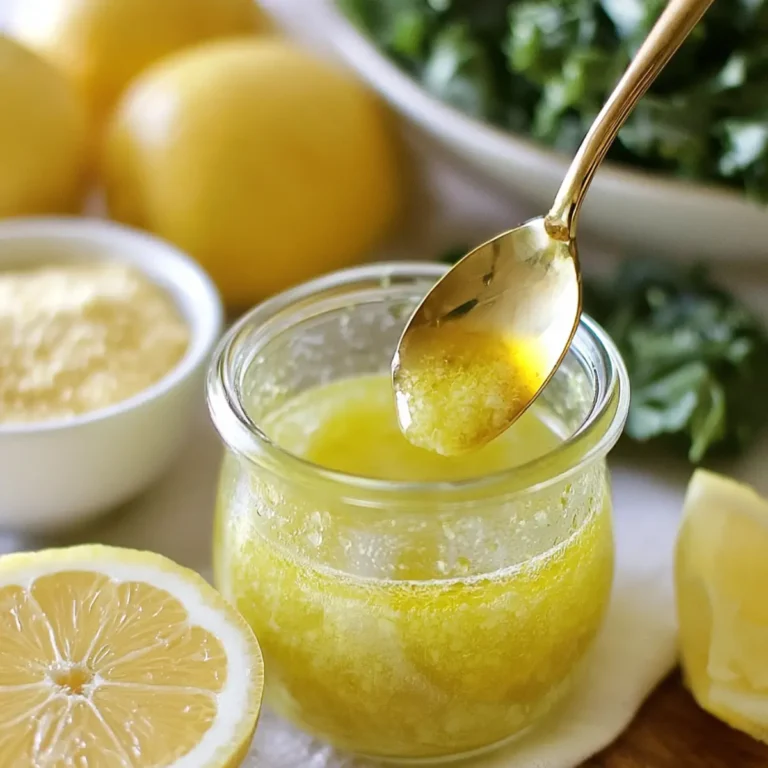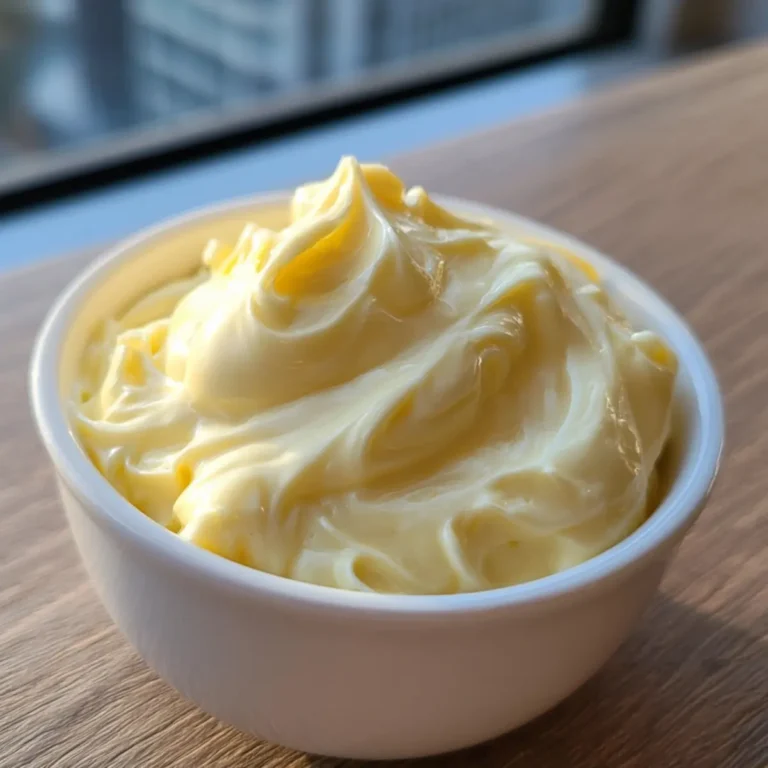
Ever get stuck making brunch and wish Hollandaise Sauce didn’t seem so fussy? You’re not alone. Maybe you’ve stood over a double boiler, whisking furiously and worried you’d scramble the eggs—and your plans. This version of Hollandaise Sauce lets you skip the stress, skip the blender, and still get that thick, tangy, buttery pour you crave.
In my kitchen, once I figured out the right order and easy water bath method, making Hollandaise was suddenly no big deal. The flavor is bright, the richness is unmistakable, and the process is honestly straightforward. Let’s take the intimidation out of this classic brunch staple.
Why This Hollandaise Sauce Method Stands Out
The beauty of this Hollandaise Sauce recipe is how simple and forgiving it is—even if you’ve never made a stovetop sauce before. You don’t need specialty gear like a double boiler or a blender, just a saucepan and a heatproof measuring cup. Forget about constant whisking or tiptoeing around tricky temperatures; this technique sets you up for a creamy, thick, and glossy finish—without babysitting the pan.What sets this Hollandaise Sauce apart is the gentle water bath: you melt, temper, and thicken the mixture in a way that’s hard to mess up. Each spoonful turns out tangy from the lemon, smooth from the butter, and just the right side of decadent for drizzling over eggs or veggies. If you want to serve brunch with confidence, this is the sauce to master.
Gathering Your Ingredients for Hollandaise Sauce
Before you get started, set out everything you need. Hollandaise Sauce relies on a short ingredient list—quality and freshness make all the difference.- Butter – The heart of the sauce, lending rich flavor and unbeatable silkiness.
- Lemon juice – Adds signature tanginess and brightness; you can use fresh or bottled, depending on what’s on hand.
- Egg yolks – Give the sauce velvety structure and hold everything together for that classic creamy finish.
See the recipe card below for the full list of ingredients and measurements.
Ingredient Swaps and Tools
If you’re out of fresh lemons, bottled juice works well in a pinch. For those avoiding dairy, plant-based butter substitutes have been successful for some. You’ll want a medium saucepan and a two-cup heatproof measuring cup—glass works best for the water bath technique.Step-by-Step: Hollandaise Sauce Without the Stress
A relaxed approach gives you a beautiful Hollandaise Sauce. Stick with these straightforward steps and you’ll end up with a golden, creamy sauce ready for anything from asparagus to Eggs Benedict.- Fill a medium saucepan halfway with water and bring it to a light simmer. Place a heatproof measuring cup in the center so it sits in the water, creating a gentle water bath.
- Add the butter to the measuring cup and let it melt completely, watching for a glossy, fragrant pool.
- Remove the measuring cup from the pan and stir in the lemon juice. This step cools down the hot butter a little so it doesn’t shock the eggs later.
- In a separate bowl, have your egg yolks ready. Slowly, in a thin stream, pour the butter-lemon mixture into the yolks, whisking constantly. You’re tempering the eggs—look for the yolks to loosen and become creamy rather than curdling.
- Once smooth and well-blended, pour everything back into the measuring cup and return it to the simmering pan.
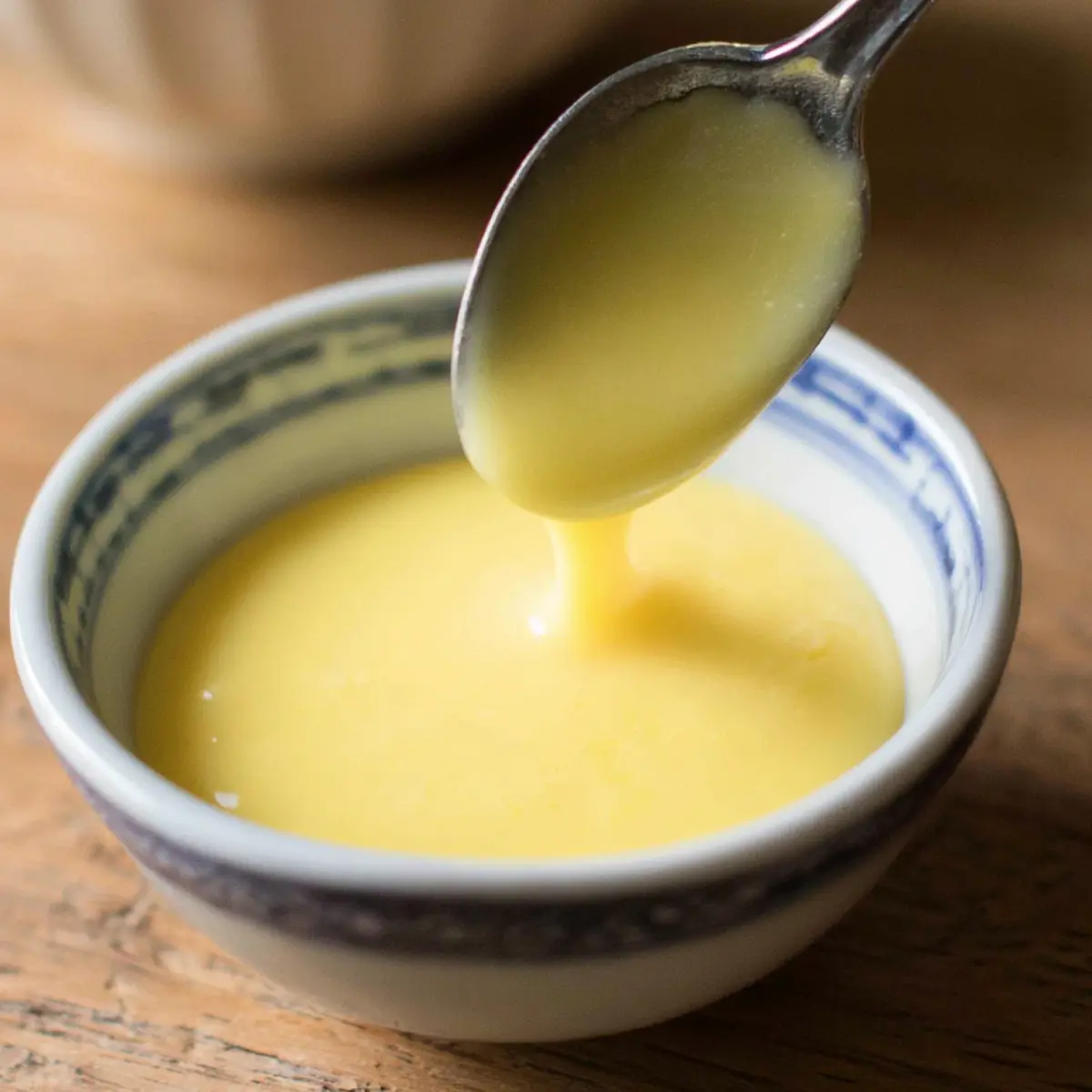
- Continue stirring the sauce gently every minute or two as it cooks in the water bath. The sauce should thicken gradually until it coats the back of a spoon—watch for it to become rich, luscious, and glossy. No need for constant whisking here!
Texture, Troubleshooting, and Tips for Hollandaise Success
Getting Hollandaise Sauce just right comes down to a few tweakable details. Here are practical tips for that dreamy, creamy pour every time:- Keep the heat gentle—if the water bath simmers too hard, the eggs might curdle.
- Don’t rush tempering the eggs. Pour in the butter-lemon mix slowly and whisk as you go; this step helps prevent a lumpy sauce.
- If your sauce thickens too much or begins to separate, whisk in a small splash of warm water to rescue the texture.
- Taste as you go. Adjust the lemon juice for brightness or add a small pinch of salt and pepper for seasoning.
Serving Ideas and Variations for Your Hollandaise Sauce
When your Hollandaise Sauce is warm and finished, the pairing options are endless. It’s a classic for Eggs Benedict, but don’t stop there—it transforms simply steamed asparagus or delicate poached salmon into something special. Try spooning it over roasted vegetables or crisp potatoes for a brunch twist.For subtle variation, sprinkle in chopped fresh herbs, a dash of cayenne for warmth, or a pinch of smoked paprika. Guests with dietary needs have had good luck using plant-based butter, and you can shift the tanginess by tweaking the lemon juice. Whether you enjoy it bold or mild, there’s plenty of room to experiment while preserving the sauce’s signature character.
Storing and Reheating Hollandaise Sauce Safely
Hollandaise Sauce is at its very best freshly made, when it’s thick and silky. If you do have leftovers, they’ll keep in the fridge for a short period—just transfer the extra sauce to a heatproof container and let it cool completely, then cover.To reheat, use a gentle touch: warm the sauce slowly in a heatproof bowl set over a pan of lightly simmering water, stirring frequently until smooth. Avoid microwaving, as the eggs can scramble quickly with harsh heat. Freezing isn’t recommended, because the creamy texture doesn’t survive thawing well.
FAQs about Hollandaise Sauce
Can I make Hollandaise Sauce ahead of time?
It’s best served immediately but you can make it a little ahead and keep it warm over low heat. Hold it gently and stir often—the texture is most pleasant within a short window.
What should I do if my Hollandaise Sauce curdles?
If you see lumps or curdling, whisk in a small amount of warm water to smooth it out. Gentle heat and persistent stirring usually bring the sauce back together.
How can I store leftover Hollandaise Sauce?
Cool the sauce and refrigerate it in a tightly sealed container. Be aware that reheating requires gentle heat to avoid scrambling the eggs—aim for a water bath over direct flame.
Can I freeze Hollandaise Sauce?
Hollandaise Sauce doesn’t freeze well because the emulsion tends to break. For best results, make only as much as you need and enjoy it while fresh.
Final Thoughts: Hollandaise Magic Made Easy
Brunch at home just feels more special when you’ve got Hollandaise Sauce ready to drizzle. Once you try this easy water bath method, you’ll never go back to constant whisking or worry about tricky double boilers. The sauce’s bright tang, silky texture, and gentle richness are a dream on anything from poached eggs to spring vegetables—so go grab your favorite brunch bites and savor every golden bite.What To Try Next
If you loved your Hollandaise Sauce, these dishes will complement your cooking perfectly.
- Baked Lemon Garlic Butter Salmon — a classic pairing with Hollandaise for a rich and elegant meal.
- Creamy Shrimp Asparagus Carbonara — features asparagus, often served with Hollandaise, making a seasonal match.
- Cheesy Cast Iron Skillet Frittata — shares a similar buttery, creamy texture complementing the sauce’s richness.
Recommended Equipment

KitchenAid Classic Hand Blender 5KHBV53EOB
Perfect for emulsifying and blending hollandaise sauce
View on Amazon

Soehnle Compact Digital Kitchen Scale
Ensures precise ingredient measurement for sauce
View on Amazon* As an Amazon Associate, I earn from qualifying purchases. There is no extra cost to you.
Easy Hollandaise Sauce
Ingredients
Equipment
Method
- Bring a medium saucepan half-full of water to a light simmer, with a two-cup Pyrex measuring cup sitting in the middle.
- Melt the butter in the measuring cup.
- Remove the measuring cup from the saucepan and add the lemon juice (fresh or bottled is fine) to bring the temperature of the butter down a bit.
- Slowly pour the butter-lemon mixture into the bowl that contains your egg yolks, whisking constantly to prevent curdling the eggs. (This is the "tempering the eggs" part).
- Pour the mixture back into the measuring cup and return to the saucepan.
- Cook over medium/medium-low heat (water bath should be a low simmer) for 10 minutes or so or until the sauce thickens, stirring frequently with a fork or whisk. Every minute or two should be fine - this does not require constant whisking.