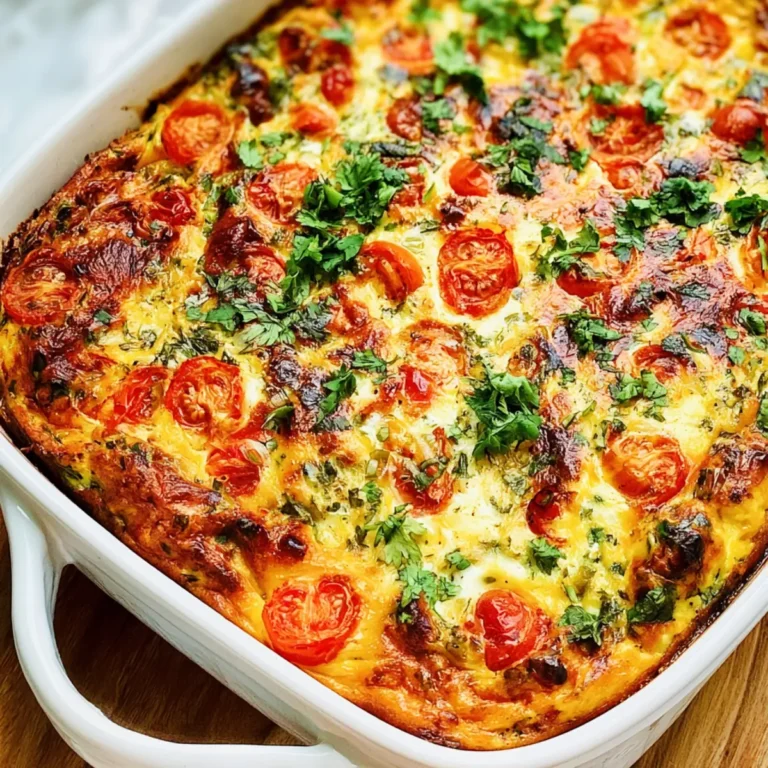
Sunday mornings in my kitchen are all about comfort, cheesy warmth, and lazy sunlight. It only takes a whiff of sautéed onions and a sprinkle of paprika to know something good is about to happen. A Cheesy Cast Iron Skillet Frittata is the answer to those mornings when you want something hearty, packed with flavors, and totally customizable with what’s on hand. Whether you’re cleaning out the veggie drawer or trying to impress brunch guests, it’s a one-pan marvel that never feels fussy.
I love how a frittata lets you play with textures—the golden edges that form against the cast iron, the creamy pockets of cheese, and bites of tender veggies all through the fluffy eggs. If you’re longing for an easy, crowd-pleasing meal that also makes killer leftovers, let’s get into what makes this frittata shine.
Why This Cheesy Cast Iron Skillet Frittata Belongs on Your Table
A Cheesy Cast Iron Skillet Frittata is the queen of brunch because it’s as easy as it is impressive. The beauty of this dish is how it welcomes whatever veggies or cheeses you happen to have, and the cast iron pan seals in a subtle, toasty crust that’s hard to achieve with any other method. Slice into it and you’ll spot bursts of color from peppers, broccoli, spinach, or tomatoes, all bound together by unctuous, perfectly cooked eggs.It’s an ideal recipe for all seasons—light enough for spring with asparagus and peas, or cozier in fall with mushrooms and shallots. No matter your add-ins, the frittata’s savory, cheesy layers and custardy center will tempt you back for seconds. Plus, it’s weeknight-simple and makes breakfast, lunch, or dinner feel like a treat.
Choosing Your Frittata Ingredients
Classic frittata recipes start with eggs and a splash of milk or cream, but this one swaps in almond milk for a gentle, neutral base that lets your chosen veggies and cheeses shine. Here’s a breakdown of the most flavorful and functional ingredients you can use for your Cheesy Cast Iron Skillet Frittata:- Large eggs – The base for a fluffy, protein-rich frittata and the structure that binds everything together.
- garlic – Freshly minced for a sweet and punchy flavor undertone.
- Almond milk – Lends creaminess without overpowering; unsweetened is best for savory results.
- Salt and black pepper – Season simply and let your cheeses and veggies have their moment.
- Olive oil – For sautéing veggies and preventing any sticking; gives a lovely richness.
- Scallions & spring onions – Add light onion flavor and a pop of color, especially when scattered through the eggs.
- Broccoli – Cut into tiny florets so it cooks swiftly and blends nicely with other greens.
- Paprika & red pepper flakes – For gentle heat and extra depth; paprika gives a subtle smokiness.
- Feta – Creamy and tangy; it melts into salty pockets throughout the frittata.
- Shallots – Offer a delicate, slightly sweet onion touch without overpowering other flavors.
- Roasted red bell peppers – Bring a charred sweetness and gorgeous color.
- Spinach – Wilts down for tender earthy flavor and extra nutrition.
- Asparagus & peas – Seasonal and crisp, perfect for a springtime version.
- Mozzarella – Gives gooey meltiness, with pearls or shreds both working well.
- Mushrooms – Sliced thin so they brown beautifully, adding an umami boost.
- Fresh tarragon – Herbaceous and a little sweet, especially good with mushrooms and eggs.
- Pecorino – Sharp, salty, and wonderful for finishing the top.
- Cherry tomatoes & basil – Add fresh, juicy bites with an herby lift for summer vibes.
See the recipe card below for the full list of ingredients and measurements.
Ingredient Swaps & Suggestions
If you don’t have almond milk, regular dairy milk or even oat milk will work just fine—just keep it unsweetened. Feel free to swap in leeks instead of scallions, or use whatever greens and cheeses you love. Cast iron is your best friend here, but any oven-safe skillet can do in a pinch.Step-by-Step Cheesy Cast Iron Skillet Frittata Method
A cast iron frittata comes together in just a handful of steps. Here’s how to get tender eggs, golden edges, and perfectly melted cheese every time:- Preheat your oven so that it’s ready for transferring the skillet later, ensuring even cooking and a gentle finish.
- Crack eggs into a large bowl and whisk until well-blended and just a little frothy. Pour in almond milk, salt, black pepper, and a pinch of paprika, then give everything another quick whisk until smooth and creamy.
- Heat olive oil in your cast iron skillet over medium heat. Add scallions, shallots, or spring onions, and sauté until tender and fragrant—listen for a gentle sizzle and watch for translucent color.
- Add veggies of choice, such as broccoli, mushrooms, or asparagus. Cook until they soften slightly and any liquids evaporate, ensuring they’re a little caramelized and not watery.
- Stir in garlic and cook briefly until it smells sweet and aromatic, being careful not to let it brown.
- Toss in spinach or peas if using; wilt greens just until they turn vibrant green and glossy.
- Spread veggies evenly in the skillet, then pour the egg mixture over the top, tilting the pan to distribute. Sprinkle cheese (like feta, mozzarella, pecorino) and herbs evenly across so every slice gets some.
- Reduce heat to low and let the frittata cook undisturbed until the edges start to set and pull away from the skillet. The center should remain a little wobbly.
- Transfer skillet to the oven and bake just until eggs are puffed, the center is barely set, and cheese on top looks melted and golden. You’ll want a gentle jiggle and plenty of steam escaping.
- Cool for a few minutes before slicing. The frittata will finish setting as it rests, so don’t worry if it looks slightly soft out of the oven—just wait for the magic!
Frittata Texture Tips and Troubleshooting
The key to an unforgettable frittata is gauging doneness and making sure every bite is creamy but not wet. Here’s what to watch for:- Don’t overbake. Pull your skillet from the oven while the center still wobbles slightly—carryover heat will finish the job as it rests.
- Avoid watery veggies. Cook mushrooms, tomatoes, or spinach long enough to remove excess moisture before adding eggs.
- Eggs should look slightly puffed, with golden edges and set sides, but the very center should never be completely dry.
- Let it cool. Resting allows the frittata to firm up so slices come out neat and beautiful.
Variations, Pairings, and Easy Serving Ideas
Frittatas are endlessly versatile. For a springtime twist, try asparagus, peas, and feta; for a cozy mood, pair mushrooms and pecorino. You can go classic with spinach and roasted peppers, or summery with cherry tomatoes, basil, and mozzarella pearls.Serve thick slices with crusty bread, a crisp green salad, or even tucked into a sandwich. For brunch, it’s wonderful with fruit and coffee. Garnish with extra herbs, a drizzle of olive oil, or a pinch more chili flakes for an adult kick.
Leftovers make a stellar breakfast sandwich or can be cubed and tossed into a salad for lunch-on-the-go.
Storing and Making Ahead for Busy Mornings
Cheesy Cast Iron Skillet Frittata is meal-prep gold. You can cool leftovers completely, slice, and store them in an airtight container in the fridge for a couple of days. For make-ahead, simply bake as directed, then reheat slices gently in the oven or in a skillet with a lid to preserve texture.Freezing works, but know the texture may shift to a bit more crumbly when thawed—wrap slices well and reheat straight from frozen for best results. Always cool the frittata before storing to prevent sogginess.
FAQs about Cheesy Cast Iron Skillet Frittata
Can I use regular milk instead of almond milk?
Yes, you can substitute any unsweetened milk you like. Cow’s milk, oat milk, or even soy will keep the frittata creamy and tender.
What’s the best way to reheat Cheesy Cast Iron Skillet Frittata?
Warm slices in a low oven or covered skillet until just heated through. This helps keep the eggs moist and preserves the frittata’s creamy texture.
Why is my Cheesy Cast Iron Skillet Frittata watery?
This often happens if veggies release a lot of moisture or aren’t sautéed long enough. Be sure to cook watery vegetables like mushrooms, tomatoes, or spinach before adding the eggs so the final dish stays creamy, not soggy.
Can I freeze leftover frittata?
Yes, frittata can be frozen. Slice and wrap portions well, then reheat from frozen in the oven; the texture may be slightly drier but still delicious.
All Good Mornings End With a Slice
A Cheesy Cast Iron Skillet Frittata brings a little celebration to even the simplest days. You can keep it classic or riff with your favorite veggies and cheeses—either way, biting into a warm, fluffy wedge straight from the skillet is unbeatable. Let your kitchen fill with the scent of bubbling cheese and happy anticipation.What To Try Next
These picks will complement your frittata experience with fresh flavors and easy prep.
- Breakfast Burritos — share eggs and cheese for a hearty breakfast twist.
- Spring Pasta Salad — a light, fresh side perfect for pairing with your skillet dish.
- Creamy Mac and Cheese — rich and cheesy comfort to contrast the fluffy frittata texture.
Recommended Equipment


Staub 1102285 Cast Iron Casserole with Enamel Interior
Perfect for oven roasting frittatas
View on Amazon
* As an Amazon Associate, I earn from qualifying purchases. There is no extra cost to you.
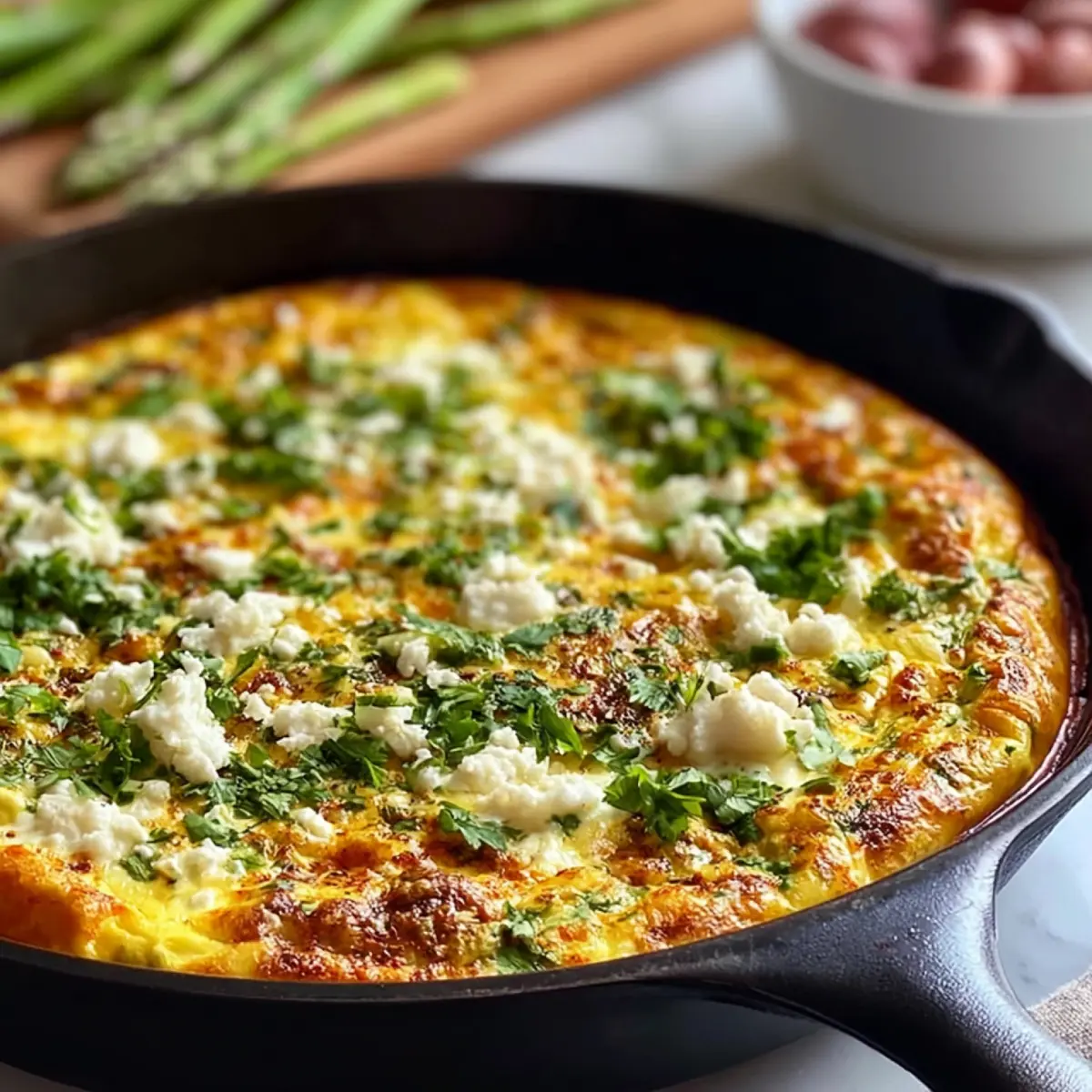
Cheesy Cast Iron Skillet Frittata
Ingredients
Equipment
Method
- Preheat your oven so that it’s ready for transferring the skillet later, ensuring even cooking and a gentle finish.
- Crack eggs into a large bowl and whisk until well-blended and just a little frothy. Pour in almond milk, salt, black pepper, and a pinch of paprika, then give everything another quick whisk until smooth and creamy.
- Heat olive oil in your cast iron skillet over medium heat. Add scallions, shallots, or spring onions, and sauté until tender and fragrant—listen for a gentle sizzle and watch for translucent color.
- Add veggies of choice, such as broccoli, mushrooms, or asparagus. Cook until they soften slightly and any liquids evaporate, ensuring they’re a little caramelized and not watery.
- Stir in garlic and cook briefly until it smells sweet and aromatic, being careful not to let it brown.
- Toss in spinach or peas if using; wilt greens just until they turn vibrant green and glossy.
- Spread veggies evenly in the skillet, then pour the egg mixture over the top, tilting the pan to distribute. Sprinkle cheese (like feta, mozzarella, pecorino) and herbs evenly across so every slice gets some.
- Reduce heat to low and let the frittata cook undisturbed until the edges start to set and pull away from the skillet. The center should remain a little wobbly.
- Transfer skillet to the oven and bake just until eggs are puffed, the center is barely set, and cheese on top looks melted and golden. You’ll want a gentle jiggle and plenty of steam escaping.
- Cool for a few minutes before slicing. The frittata will finish setting as it rests, so don’t worry if it looks slightly soft out of the oven—just wait for the magic!