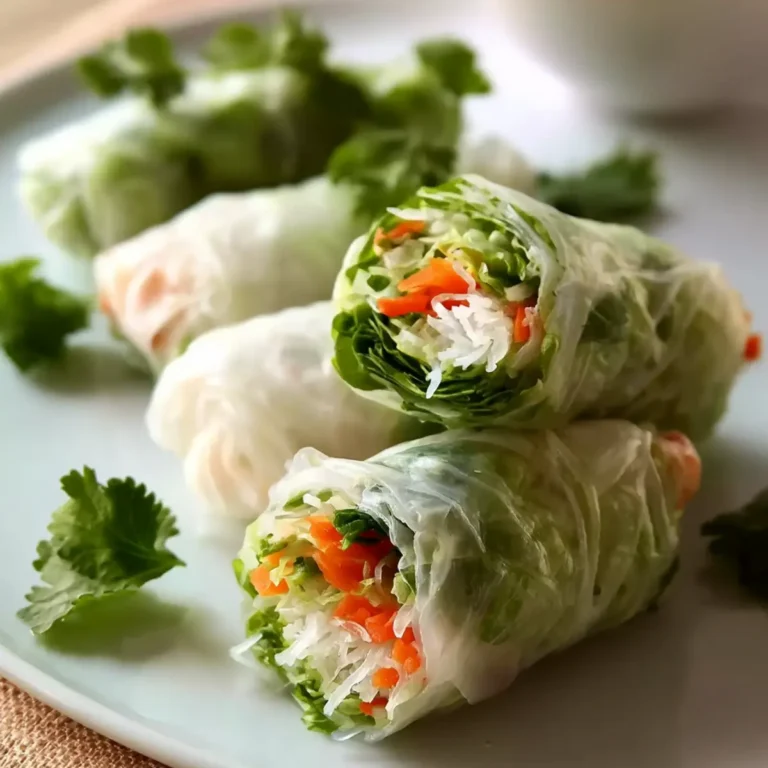
The crackle as I bite into a fresh, golden spring roll is pure bliss—crispy, light pastry giving way to a vibrant jumble of stir-fried vegetables, still bright and sweet. These homemade Vegetable Spring Rolls always transport me to the heart of a bustling Chinese restaurant, yet take surprisingly little effort to pull off in your own kitchen. Whether you’re assembling snacks for a family movie night or setting out appetizers for a big dinner, there’s something about these spring rolls that says “let’s celebrate.” They’re packed with fresh flavor, loaded with color, and every roll is pure comfort—especially when dipped into your favorite sauce.
What Makes This Vegetable Spring Rolls So Irresistible
Vegetable Spring Rolls are the kind of snack that disappears faster than you expect. The appeal isn’t just in their eye-catching appearance—the golden wrappers, the peek of vibrant veggies at each end, those beautifully crisp edges. For me, the real magic is in the contrast: wafer-thin pastry that shatters under your teeth, followed by a savory medley of gently seasoned vegetables. There’s a reason they’re always the first appetizer to vanish at parties or family gatherings—they’re light enough to indulge in more than one, but so packed with flavor and crunch that you’re always left reaching for another.
What really sets these apart is that you get to control everything: the mixture of cabbage, carrot, and beansprout keeps every bite fresh; a swirl of soy sauce and sesame oil brings subtle depth, and you get to fry them just until perfectly golden. Every roll comes out piping hot, ridiculously crisp, and bursting with house-made goodness.
The Ingredients That Give These Spring Rolls Their Freshness and Crunch
The soul of Vegetable Spring Rolls lies in both the wrapper and the filling, so every component counts. Here’s what goes into getting that unbeatable taste and texture:
- Spring Roll Pastry – The key to that signature crackle. Choose thin, square wrappers for a crisp, delicate shell every time.
- Oil For Frying – Makes the wrappers shatteringly crisp; neutral-flavored oils like sunflower or vegetable work best.
- Cabbage – Finely shredded, it adds moisture, gentle sweetness, and crunch to the filling.
- Carrots – Brings color, natural sweetness, and tender bite.
- Beansprouts – These lighten up the mix and keep every bite juicy and fresh.
- Garlic – For that bold, aromatic punch that lifts the whole filling.
- Spring Onions – Adds a pop of sharpness and a subtle earthy note.
- Light Soy Sauce – Salty and savory, it unites the flavors of the veggies and seasons them from within.
- Sesame Oil – Just a few drops infuse everything with a nutty, toasty aroma.
- White Pepper – Offers gentle heat; black pepper is a fine swap if that’s what you have.
- Salt – Balances all the flavors and highlights the veggies’ sweetness.
- Plain Flour – Used to make a “slurry” for sealing each roll tight.
- Water – Blended with the flour, it creates a simple edible glue.
See the recipe card below for the full list of ingredients and measurements.
Bringing This Vegetable Spring Rolls Together from Start to Finish
Spring rolls always seem impressive, but making them at home is easier—and more hands-on—than you might guess. Here’s how the process unfolds in my kitchen:
- Start by prepping your vegetables. The thinner and more even you slice the cabbage, carrots, and spring onions, the more evenly they’ll cook. Beansprouts need just a quick rinse and drain.
- Set a large wok or frying pan over medium-high heat and pour in a little oil. Toss in the garlic first, letting its fragrance bloom, then quickly stir in the cabbage, carrots, beansprouts, and spring onions. Stir-fry everything together for a couple of minutes, just until the vegetables soften while staying somewhat crisp.
- Poured in a drizzle of soy sauce and a few drops of sesame oil, sprinkle over salt and your chosen pepper, then stir again for another minute. Turn off the heat and let the filling cool a bit. You want it barely warm, not piping hot, so it doesn’t make the wrappers soggy.
- Mix plain flour and water together in a small bowl to form a thick, glue-like paste. You’ll use this to seal up the rolls when folding.
- Lay a spring roll wrapper on your work surface—corner toward you, like a diamond. Spoon a line of filling just above the lower corner. Gently fold the bottom corner up and over the filling, tucking it in. Roll halfway up, then tuck in both left and right corners over the filling, sealing with a dab of flour-water paste. Finish rolling tightly until sealed, using more paste to ensure the end sticks.
- Set each completed roll aside under a damp cloth to prevent drying out as you roll the rest.
- Heat oil in a large, deep pan—you want enough so the rolls don’t touch the bottom. When a small piece of wrapper sizzles on contact, your oil is ready. Carefully fry the spring rolls in batches, turning as needed, until gorgeously golden and blistered on all sides. Drain on a wire rack or kitchen paper for maximum crispness.
- Let them cool just a minute or two. Then, take that first crunchy bite while the steam still swirls out and the aroma is pure heaven.
Mastering Crispy Wrappers and Flavorful Fillings
Getting Vegetable Spring Rolls to that just-right balance—the ultra-crisp shell and lively, well-seasoned filling—is all about focus and timing. One of the most common pitfalls is soggy rolls, which usually happens if your filling is hot or watery. I let the veggie mixture cool for several minutes before wrapping. If it looks juicy, I’ll even spread it on a plate to let extra steam escape.
Humidity matters too: keep your wrappers covered while working, or they’ll dry out and crack. And don’t be tempted to over-stuff each roll; a heaped tablespoon or so is perfect for a slender, evenly cooked spring roll.
For the crispiest result, fry in oil that’s properly hot but not smoking. Too low, and your rolls will soak up oil and taste greasy; too high, and they’ll brown before the filling heats through. You’re aiming for rapid sizzling and a golden, even crust.
Tips, Swaps, and Serving Ideas for Homemade Spring Rolls
There’s a little room for creativity with these spring rolls, and some clever tricks to make the process smoother. If you’re out of beansprouts, try thin strips of bell pepper or shredded zucchini. For extra flavor, a pinch of five-spice powder or a splash of rice vinegar in the filling adds intrigue. Make sure the flour-water paste is spread all the way to the wrapper’s edges, so you won’t have any rolls popping open in the oil.
When serving, Vegetable Spring Rolls are happiest next to a sharp, tangy dipping sauce—think sweet chili, soy with a drop of vinegar, or even classic plum sauce. If you want to prep ahead, assemble the rolls, cover well, and refrigerate up to a few hours before frying. Leftovers (if any!) can be reheated in a hot oven to re-crisp.
To store, let them cool and pack in an airtight box; they’ll keep well for a day or two in the fridge. For parties, you can freeze uncooked rolls in a single layer, then fry straight from frozen—just add a minute or two to the cook time and keep an eye out for splattering.
FAQs about Vegetable Spring Rolls
Can I use other vegetables in my vegetable spring rolls?
Absolutely! While cabbage, carrot, and beansprouts are traditional, feel free to use sliced bell peppers, mushrooms, or even a handful of spinach. Just stick to veggies that cook quickly and release little moisture so your filling stays firm.
What’s the best way to keep spring roll wrappers from drying out as I work?
Cover them with a damp kitchen towel or plastic wrap any time you’re not using them. Spring roll pastry dries rapidly when exposed to air, so keeping it covered ensures flexibility as you assemble each roll.
Can I bake these vegetable spring rolls instead of frying?
Yes, baking is possible. Brush each roll lightly with oil and bake in a hot oven until crisp and golden. They won’t be quite as shatteringly crunchy as fried, but you’ll still get a satisfying texture and plenty of flavor.
How do I reheat leftover vegetable spring rolls so they stay crispy?
Place leftovers on a rack set over a baking sheet and reheat in a hot oven for several minutes. This helps restore their crispness and prevents them from going soggy, unlike microwaving which makes the wrappers soft.
Can I make vegetable spring rolls ahead and freeze them?
Definitely. Assemble the rolls but don’t fry them, then freeze separated on a tray. Once solid, transfer to a sealed bag or container. Fry straight from frozen without thawing—just add an extra minute or two to the cooking time for perfect crispiness.
The combination of golden pastry and a rainbow of vegetables makes these Vegetable Spring Rolls impossible to resist. They’re as satisfying to make as they are to eat, filling the kitchen with the aroma of garlic and sesame, and that promise of a crackling-bite reward. Serve them hot, with your favorite dipping sauce, and watch them disappear—one crunchy, savory roll at a time.
More Delicious Recipes
- Honey Sesame Chicken: This dish features a sweet and savory chicken that’s perfect for pairing with spring rolls for a complete meal.
- Ground Turkey Teriyaki Stir Fry: This quick stir fry is loaded with vegetables, making it a great companion to your homemade spring rolls.
- Mexican Street Corn Dip: This creamy dip adds a flavorful twist to your appetizer spread, complementing the crunchy texture of spring rolls.


Vegetable Spring Rolls
Ingredients
Equipment
Method
- Chop and slice your vegetables into thin slices.
- Heat a wok or pan over a medium to high heat and add a tablespoon of oil. Add the vegetables to the wok and stir fry for 2 to 3 minutes or until the vegetables have softened.
- Add the seasoning ingredients (light soy sauce, sesame oil, white pepper and salt) to the wok and continue to stir fry the vegetables for a further minute.
- In a small mixing bowl, mix water and flour together and set it aside for later use.
- Place a spring roll sheet on your work surface with the corner pointing towards you (like a diamond shape).
- Add a heaped tablespoon of the vegetable filling (2 inches above the bottom corner) and align the filling to resemble a sausage shape.
- Tuck the bottom corner over the filling and tightly roll the spring roll sheet until it reaches halfway.
- Dip your finger in the flour and water slurry and brush it over the two sides of the filling, then fold one side into the middle and repeat with the other side.
- Brush some more slurry over the outline of the remaining pastry (it should look like an envelope). Gently tuck in the edges and tightly roll to close the spring roll.
- Add oil to a pan and heat over a medium to high heat. Fry the spring rolls for 3 to 4 minutes on each side or until golden. If you’re deep frying the spring rolls, then there’s no need to turn them over. Note: Cover ready to fry spring rolls with cling film to prevent the wrapper from drying out.