
When the weather turns chilly, I always find myself craving something truly comforting—a dish you can slowly assemble, leave to gently simmer, and return to a pot full of warmth. Dublin Coddle hits exactly that note. There’s a special satisfaction in layering hearty sausages, smoky bacon, and tender potatoes, then letting everything bubble away until the kitchen smells of pure coziness.
If you love meals that welcome you home, Dublin Coddle deserves a spot on your table. It’s simple cooking at its best, with flavors that mingle into something greater than the sum of its parts.
Why Dublin Coddle Is a Hug in a Bowl
There’s something delightful about meals that practically cook themselves, and Dublin Coddle is just that. It’s rich and savory, filled with layers of golden potatoes, snappy sausage, and crispy bacon, all mellowed by sweet onions and an herby broth. What truly makes this dish special is how the simple ingredients combine—each spoonful is warm, filling, and deeply comforting, the sort of meal that makes even an ordinary weeknight feel homey.Dublin Coddle also shines as a crowd-pleaser. It’s ideal for family gatherings or a weekend dinner with friends, and the beautiful layering means every serving is a feast for the eyes as well as the appetite.
The Building Blocks of a Classic Dublin Coddle
It only takes a handful of ingredients to create Dublin Coddle, but each one has a role to play in building flavor and texture. Here’s what you’ll need:- Sausages – Choose a hearty sausage; they deliver savory flavor and meaty bite in each layer.
- Bacon – Fried until crisp, bacon adds smokiness and a savory note that seeps into the broth.
- Potatoes – Sliced and layered, they absorb the broth and release comforting starch to thicken the stew.
- Onions – These soften into sweet ribbons, mellowing the stronger flavors and offering contrast.
- Chicken or beef broth – Forms the fragrant base of the stew, carrying every flavor together.
- Salt and pepper – Don’t skip seasoning; it’s crucial for building depth.
- Fresh parsley – Scattered over the top, parsley gives a pop of color and fresh herbal lift.
See the recipe card below for the full list of ingredients and measurements.
Step-by-Step: Dublin Coddle
If you’re new to Irish stews, don’t worry—Dublin Coddle is easy to master, and the layering means you get remarkable flavor for minimal effort.- Cook the bacon in a large pot over medium heat until the fat renders and each slice turns crispy and golden. Set the bacon aside, but keep those flavorful drippings in the pan—they’re key for the rest of the dish.
- Brown the sausages in the same pot so they develop a deep, savory crust on each side. Let them sizzle and soak up the bacon fat for extra flavor.
- Add the sliced onions and cook until they’re translucent, soft, and just starting to caramelize around the edges. Stir occasionally, scraping up any meaty bits from the bottom.
- Arrange the sliced potatoes in even layers over the sausages and onions, making sure some edges peek up for a bit of rustic charm once cooked.
- Pour broth gently over everything, enough to mostly cover the ingredients but not drown them. Sprinkle with salt and pepper, adjusting to your taste.
- Bring the pot to a gentle boil, then immediately turn down to a low simmer. Cover and let it bubble gently until the potatoes are utterly tender and the flavors have mingled beautifully, creating a golden, fragrant stew.
- Ladle the coddle into bowls, scatter with a handful of freshly chopped parsley, and serve while piping hot.
Mastering Texture and Avoiding Common Coddle Mistakes
Perfecting Dublin Coddle is all about the texture and layering. Here’s what to look for and a few tips to help your stew shine:- Crisp, not burnt bacon: Take the bacon out as soon as it’s golden for the right crunch without any bitterness.
- Deep sausage browning: Let your sausages sear—this brings out their flavor and gives appetizing color.
- Potatoes cooked through: Test with a fork; they should be meltingly tender, never chalky or falling apart into mush.
- Layering order: Keep potatoes above the onions and sausages to avoid sticking and so they absorb maximum broth.
Coddle Variations & What to Serve with Dublin Coddle
Dublin Coddle welcomes customization. If you’re out of an ingredient (or want to shake things up), try swapping in different sausages or adding a handful of sliced carrots for subtle sweetness. For a heartier stew, some folks layer in chunks of crusty bread at the bottom of the pot so they soak up all that glorious broth.When it comes to serving, nothing beats a slice of buttered Irish soda bread on the side. You could round out the meal with a simple green salad, steamed cabbage, or even a scoop of mustard on the side for dipping. This stew pairs well with malty beers, dry ciders, or just a tall glass of cold water to balance the richness.
Storing, Reheating, and Prepping Your Coddle
Dublin Coddle is forgiving when it comes to storage. Transfer cooled leftovers to an airtight container and refrigerate; the flavors will deepen overnight and it reheats beautifully on the stovetop. Warm it gently with a splash of broth if the stew has thickened in the fridge.While coddle is best fresh, it can be frozen if tightly sealed. Just expect the potatoes to soften more after thawing. If you want to get ahead, assemble the cooked bacon, sausages, and onions the day before—then layer and simmer with potatoes and broth when you’re ready to cook.
FAQs about Dublin Coddle
Can I make Dublin Coddle ahead of time?
Yes, Dublin Coddle can be made in advance and refrigerated once cooled. Reheat it gently on the stove so flavors stay balanced and everything remains tender.
What sausages should I use for Dublin Coddle?
Traditional pork sausages work best, but any hearty, uncooked sausage will give good results. Avoid sausages with strong spices so the classic flavor stands out.
Can I freeze leftover Dublin Coddle?
You can freeze coddle, but the potatoes may soften or break down when thawed. For best texture, freeze only if needed and consume within a month.
How do I keep my coddle from becoming too salty?
Use low-salt broth and season lightly until after simmering. Taste before serving and adjust salt as needed, since bacon and sausages can be quite salty on their own.
Bringing Dublin Coddle to Your Table
That first spoonful of Dublin Coddle is pure comfort—savory sausage, pillowy potatoes, and a golden broth brimming with goodness. It’s the sort of meal that holds the spirit of home cooking: unfussy, satisfying, and always welcome. Whether you’re new to coddle or already a fan, settle in and enjoy the gentle richness that only this Irish stew can bring.What To Try Next
If you enjoyed the hearty, comforting flavors of Dublin Coddle, these recipes will warm you up just as nicely.
- Creamy Hamburger Hash Brown Casserole — shares that cozy, filling vibe with savory meats and potatoes.
- Crockpot French Dip Sandwich Recipe — perfect for slow cooking lovers craving tender meats and rich flavors.
- Cheesy Baked Squash Rounds — a lighter, cheesy side that complements comfort dishes beautifully.
Recommended Equipment
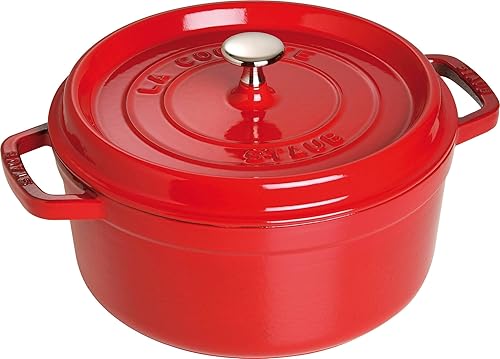
Staub Round Cocotte Cast Iron Roaster – Cherry
Perfect for slow-cooked stews like Dublin Coddle
View on Amazon
Amazon Basics Round Enamelled Cast Iron Roasting Casserole
Ideal for roasting and slow-cooking Dublin Coddle
View on Amazon
* As an Amazon Associate, I earn from qualifying purchases. There is no extra cost to you.

Dublin Coddle
Ingredients
Equipment
Method
- In a large pot, cook the bacon until crispy, then remove and set aside.
- In the same pot, brown the sausages on all sides.
- Add the sliced onions and cook until softened.
- Layer the sliced potatoes over the sausages and onions.
- Pour the broth over the ingredients and season with salt and pepper.
- Bring to a boil, then reduce heat and simmer for about 1 hour, or until the potatoes are tender.
- Serve hot, garnished with fresh parsley.