Sometimes, the kitchen feels like the coziest spot on a chilly day—with the windows fogging up and something deeply savory simmering away. If you’re after that kind of all-in-one comfort, Traditional Irish Stew is the dish to bring it home. Tender beef, soft potatoes, sweet carrots, and a rich, aromatic broth—it has everything you want in a stew and none of the guesswork.
This version of Traditional Irish Stew captures all that heartiness and depth, but ditches the alcohol while keeping the flavor big and bold. It’s warming, filling, and packed with texture, making it a perfect family dinner or make-ahead option for busy weeks.
Cozy Comfort: Why This Traditional Irish Stew Stands Out
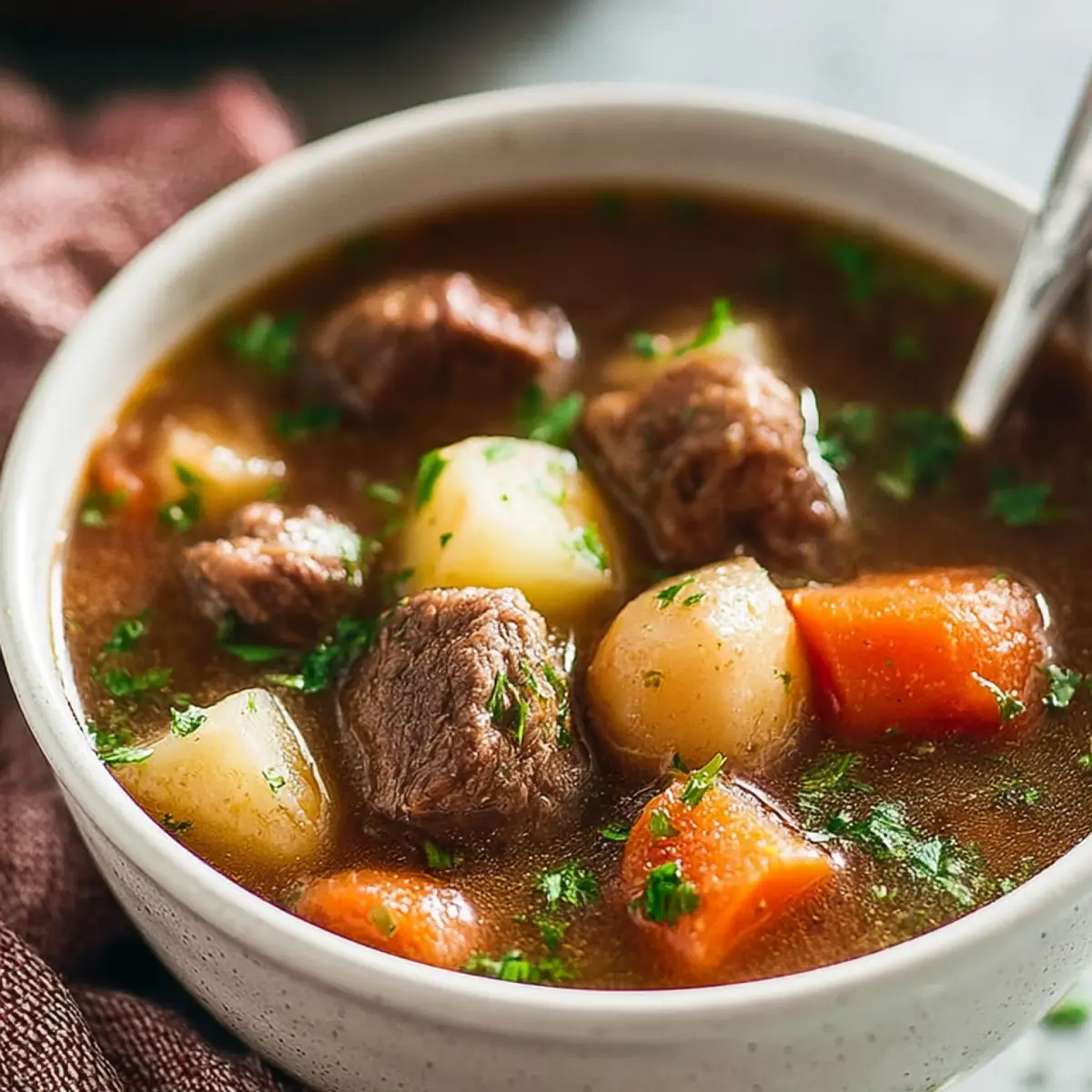
When the weather turns cold and you crave something that’s more than just filling, this Traditional Irish Stew comes to the rescue. What sets it apart is its deep, layered flavor—achieved by browning the beef just right and simmering everything low and slow with non-alcoholic stout and red wine. The aroma that fills your kitchen hints at what’s to come: tender chunks of beef swimming in a rich, hearty broth, punctuated by sweet carrots, buttery potatoes, and the freshness of parsley at the very end.The beauty of this stew is that it’s as perfect for a quiet weeknight as it is for a festive table with friends. It’s humble enough for family, but still impressive thanks to its old-world heartiness and glossy finish. One spoonful is all it takes to understand why this one keeps coming back every winter.
Building Blocks of Flavor: The Ingredients in Traditional Irish Stew
To build layers of coziness and flavor in Traditional Irish Stew, you’ll need a combination of classic and clever ingredients. Here’s what plays a starring role:- Well-marbled chuck beef stew meat – Forms the succulent, hearty base; browning it properly builds rich flavor right from the start.
- Salt – Essential for seasoning every layer and drawing out the natural tastes of the meat and vegetables.
- Extra virgin olive oil – Helps brown the beef gently and adds a subtle fruitiness.
- Garlic cloves – Lends depth and a pleasant, savory aroma.
- Beef stock – Provides a deeply savory backdrop that ties everything together.
- Water – Keeps the broth from becoming too intense or salty.
- Non-alcoholic stout beer – Brings dark, toasty notes to the broth without the alcohol.
- Non-alcoholic red wine – Adds acidity and subtle fruitiness, supporting the stew’s complexity.
- Tomato paste – Concentrates savory flavor and deepens the stew’s color.
- Sugar – A small touch balances acidity and harmonizes all the flavors.
- Dried thyme – Contributes a gentle, woodsy scent that lingers in the background.
- Worcestershire sauce – Brings umami and a little tang for extra richness.
- Bay leaves – Infuse the broth with a subtle, herbal aroma.
- Butter – Used for sautéing onions and carrots, giving them a soft sweetness.
- Russet potatoes – Deliver classic, creamy texture and help thicken the stew as they break down.
- Onion – Adds gentle sweetness and background flavor to the mix.
- Carrots or parsnips – Offer natural sweetness and color, brightening up the stew.
- Freshly ground black pepper – A touch of warmth and gentle heat.
- Chopped fresh parsley – Scattered on top for a bright, herby finish.
See the recipe card below for the full list of ingredients and measurements.
How to Cook Traditional Irish Stew, Step by Step
Let’s break down the process for this Traditional Irish Stew so you hit all the right notes—aromatic, hearty, and deeply satisfying every time.- Brown the beef: Sprinkle beef chunks with salt, then heat olive oil in a large, heavy pot over medium-high. Pat the beef dry and brown it in batches, letting each piece get those rich, caramelized edges before removing to a plate.
- Add garlic and broth: Add minced garlic to the empty pot. Sauté until it smells fragrant but not burnt. Pour in beef stock, water, non-alcoholic stout, non-alcoholic red wine, tomato paste, sugar, thyme, Worcestershire sauce, and bay leaves. Stir everything well, then return the browned beef to the pot and bring to a gentle simmer. Let this bubble away until the beef starts to become tender and the flavors meld.
- Sauté the onions and carrots: In a separate pan, melt the butter. Toss in the chopped onion and carrots (or parsnips) and cook until golden and starting to soften. This extra step brings extra sweetness and flavor to the stew.
- Finish the stew: Put the sautéed onions and carrots into the simmering stew, along with the potatoes. Season with black pepper and more salt if needed. Continue simmering uncovered, stirring now and then, until both the beef and vegetables are tender and the broth is glossy and fragrant. Fish out the bay leaves, skim off any excess fat, and taste for seasoning. Serve in big bowls with a shower of chopped fresh parsley on top.
Getting It Right: Texture, Tips, and Troubleshooting for Irish Stew
Getting a great Traditional Irish Stew is all about patience and paying attention to a few small details. Browning the meat until it has a deep crust creates a more flavorful, rich broth. Don’t rush the simmering step—slow cooking gently breaks down the beef, making it fork-tender while letting the vegetables soak up all those good juices.Keep the lid off during the final simmer so the stew thickens naturally and the potatoes fall just slightly apart, making the broth creamy without any flour. If your stew ever feels too thick, a splash of water or stock will bring it right back. On the flip side, if it’s too thin, just let it bubble uncovered a little longer to reduce.
Common mistakes include crowding the beef (which steams instead of browns), using too much heat on the aromatics, or overcooking the potatoes until they dissolve completely. Taste throughout and adjust salt and pepper so the flavors stay balanced and lively.
- Use a sturdy Dutch oven or heavy-bottomed pot for even heating.
- Don’t skip sautéing the onions and carrots—they bring real depth.
- Add potatoes when the stew is halfway done to avoid mushy bites.
Serving Ideas and Variations for Traditional Irish Stew
Traditional Irish Stew is classic comfort, but you can always personalize it. Try swapping half the carrots for parsnips for a hint of nuttiness, or use a mix if you like both for color and subtle variation. A rustic loaf of crusty bread or simple soda bread makes the perfect side—ready to mop up every drop of savory broth.For a vegetarian twist, replace the beef with chunky mushrooms and use vegetable stock. Or, brighten up the finish with a squeeze of lemon or a sprinkle of chives along with the parsley. If your household enjoys heat, offer some cracked black pepper or a drizzle of sharp mustard at the table. Leftover stew also makes a satisfying filling for a pie crust—just bake until golden and bubbly.
Storing and Reheating Traditional Irish Stew
Leftover Traditional Irish Stew stores beautifully, with the flavors deepening overnight. Let the stew cool completely, then transfer it to an airtight container and refrigerate. It’ll keep well for a few days and tends to taste even better after resting.For reheating, gently warm it in a pot over low heat, stirring occasionally and adding a splash of water if it gets too thick. You can freeze cooled stew in sealed containers for future meals—just thaw it in the fridge and reheat slowly on the stove to keep the texture pleasant.
FAQs about Traditional Irish Stew
Can I make Traditional Irish Stew ahead of time?
Yes, Traditional Irish Stew is excellent when made ahead. The flavors develop even more after a day in the fridge. Just reheat gently and add a bit of water if the stew thickens too much.
What if I don’t have non-alcoholic stout or red wine?
You can substitute with extra beef stock and a splash of balsamic vinegar for tang. The stew will still be flavorful and satisfying, though its depth will be slightly different.
How do I prevent the potatoes from falling apart in the stew?
To avoid mushy potatoes, add them in the last stage of simmering and keep an eye on their doneness. They should be fork-tender but still hold their shape in the finished dish.
Can Traditional Irish Stew be frozen?
Yes, this stew freezes well. Let it cool completely before transferring to freezer-safe containers. Thaw in the refrigerator and reheat on the stove for best flavor and texture.
Bring It Together: A Final Thought on Traditional Irish Stew
Nothing wraps up a long day better than a steaming bowl of Traditional Irish Stew. With its chunky beef, melt-in-your-mouth potatoes, and a broth that practically begs for bread, it’s real, rustic comfort. Enjoy the warmth and savory aroma as you dive into each spoonful—no special occasion needed, just an appetite for something deeply satisfying.What To Try Next
These dishes complement the cozy vibe of your Irish stew perfectly.
- Creamy Hamburger Hash Brown Casserole — hearty comfort with savory beef, similar to traditional stew flavors.
- Honey Butter Corn — a sweet and buttery side that fits well with rustic, warming meals like your stew.
- Spring Asparagus Vegetable Soup — lighter and fresh to contrast the rich stew while embracing seasonal veggies.
Recommended Equipment

Staub 1102285 Cast Iron Casserole with Enamel Interior
Perfect for braising beef and simmering stew
View on Amazon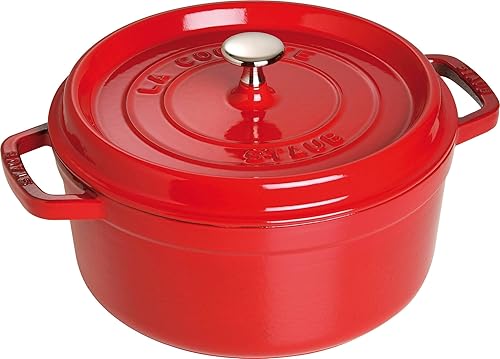
Staub Round Cocotte Cast Iron Roaster – Cherry
Ideal for slow-cooked stews and braised meat
View on Amazon
Amazon Basics Round Enamelled Cast Iron Roasting Casserole
Great for roasting and slow-cooking hearty stews
View on Amazon* As an Amazon Associate, I earn from qualifying purchases. There is no extra cost to you.

Traditional Irish Stew Recipe: 1 Unforgettable Change
Ingredients
Equipment
Method
- Brown the beef: Sprinkle salt over the beef. Heat olive oil in a large pot over medium-high heat. Pat beef dry and brown in batches.
- Add garlic and stock ingredients: Add garlic to the pot and sauté. Add beef stock, water, non-alcoholic stout, non-alcoholic red wine, tomato paste, sugar, thyme, Worcestershire sauce, and bay leaves. Stir and simmer for 1 hour.
- Sauté onions and carrots: Melt butter in another pot. Sauté onions and carrots until golden, about 15 minutes. Set aside.
- Add vegetables and simmer: Add onions, carrots, and potatoes to the beef stew. Add black pepper and salt. Simmer uncovered until vegetables and beef are tender, about 40 minutes. Discard bay leaves. Remove excess fat. Transfer stew to bowls. Add salt and pepper to taste. Sprinkle with parsley and serve.