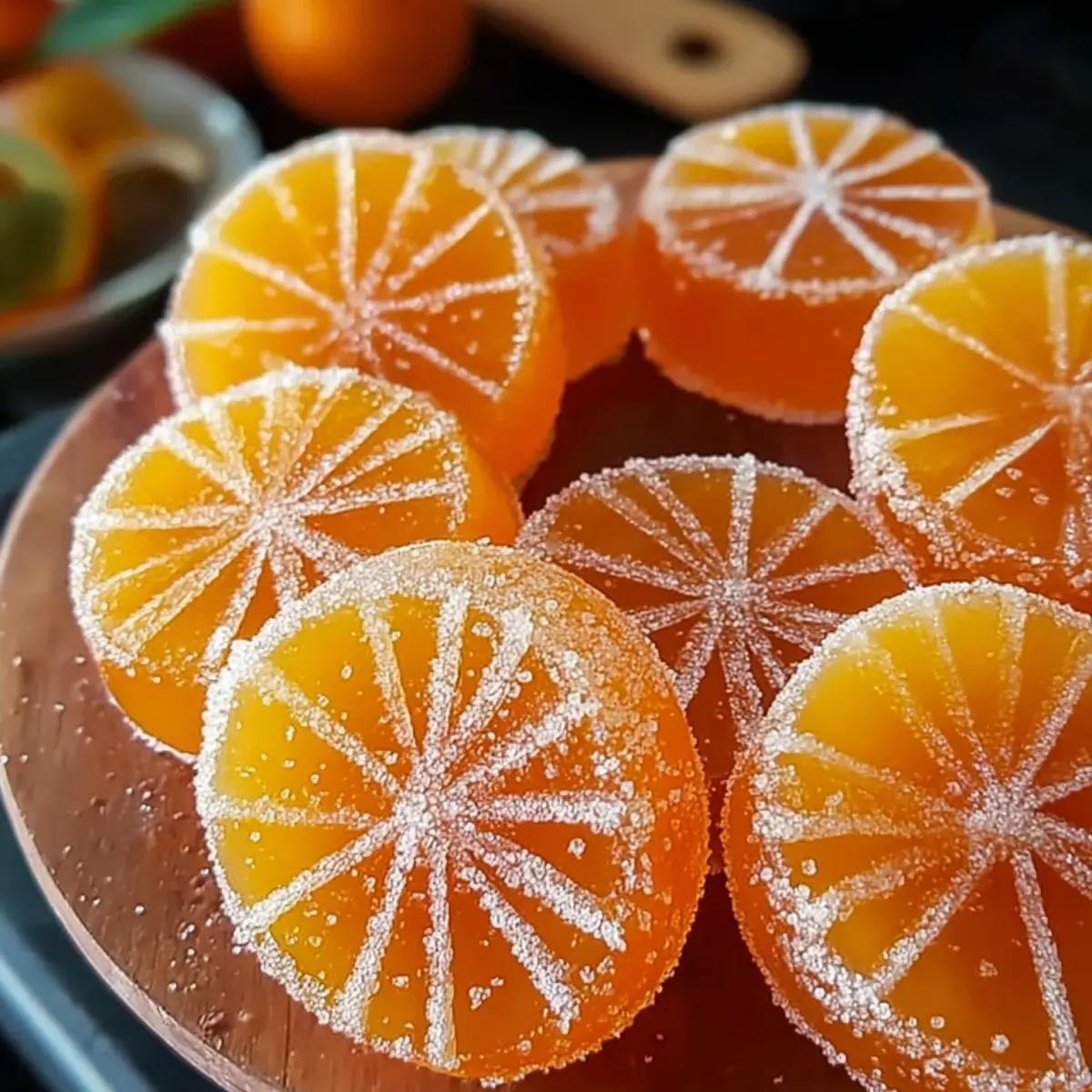
There’s a certain kind of kitchen magic that happens when you stir sugar and the bright zestiness of oranges together and just let them do their thing. I first tried making homemade orange candy on a gray, rainy afternoon when I wanted something sunny and intensely flavorful—something to jolt me out of hibernation mode. What came out of my kitchen was pure citrus joy: glossy, translucent slices with a sparkle of sugar crunch and a soft, almost marmalade-like center. They smell like walking through a blooming orange grove after a summer downpour and taste just as bright.
The great thing about homemade orange candy is how it feels both nostalgic and a bit sophisticated. I grew up on bagged store candy, but these are worlds better—bold, tangy, chewy, with an edge of bitterness that keeps you coming back for more. Maybe it’s the way the candy tempers the orange’s natural sharpness, or maybe it’s just the pleasure of slicing sun-bright fruit into perfect rounds and watching sugar syrup work its slow, transforming magic. If you have a lazy weekend ahead or need a project to fill your house with citrusy warmth, this candy just might become your new kitchen ritual.
When Homemade Orange Candy Steals the Show
There are cookies and cakes for holidays, sure, but nothing gets people chatting at a dessert table quite like homemade orange candy catching the light. The first time I brought a small jar to a family brunch, I watched hands reach straight past the babka and coffee cake for the glossy orange slices first. There’s a burst of curiosity—how did you make these? Are they as tart as they look? The answer is yes, and yes. They’re sunbeam-bright, with the essence of orange distilled into every bite.
But honestly, this candy shines any time you want a little pick-me-up. Winter afternoons feel softer with a plate of orange slices at hand, especially when paired with hot, dark tea or tucked next to a square of dark chocolate. Just know: once you’ve made a batch, it’s hard not to nibble one whenever you open the kitchen cupboard.
The Ingredients That Turn Oranges Into Candy
- Small oranges or tangelos – The backbone of this recipe. Choose the smallest, brightest ones you can find—their thin skins and concentrated flavor hold up best during candying, giving you slices with both tang and bite.
- water – Essential for transforming sugar into syrup and gently poaching the orange rounds until they go luminous.
- Granulated sugar – This is what does the heavy lifting—encasing every slice in glossy sweetness and ensuring that distinctive candy texture. If you’re tempted to go lighter or swap with other sugars, just know the classic, straight-up granulated stuff makes the cleanest, most beautiful candy.
See the recipe card below for the full list of ingredients and measurements.
Orchestrating the Candy Process: Slice, Simmer, and Patience
Turning oranges into translucent jewels isn’t difficult, but it rewards some patience and a watchful eye. Here’s how the process unfolds in my own kitchen, with the little details that make a big difference:
- Start with washing your oranges—really scrub them if they’re not organic, since you’ll be eating the peel. Slice them into rounds about the width of a little finger. Go too thick, and the syrup won’t penetrate; too thin, and they fall apart. Pluck out any seeds as you go.
- Pour granulated sugar and water into a wide skillet. Let the sugar dissolve over medium heat, stirring gently. As soon as the syrup looks glass-clear and you see bubbles breaking the surface, you’re ready for the next step.
- Tuck your orange slices into the bubbling sugar syrup, arranging them in a single layer if possible. Lower the heat: you want a gentle simmer, not a galloping boil. The aroma at this point is spectacular—the entire kitchen takes on a citrus glow.
- Spoon hot syrup over the oranges occasionally, letting them simmer away. Watch as the whites of the peel turn from opaque to glowing golden-yellow and the rinds turn succulent and pliable. Depending on your oranges, it’ll take a while—patience pays off, especially if you like them tender all the way through.
- Once the slices look almost see-through and feel pliable but not falling apart, remove them carefully with tongs or a slotted spoon. Lay each piece out on a wire rack, letting excess syrup drip away. They’ll be sticky and glistening—this is exactly right.
- Now comes the hardest part: don’t rush drying. Leave them in a cool, breathy spot for at least a full day, sometimes two. Over time, the exterior develops a slight tack. Once they’re barely sticky, you can roll them in extra sugar for sparkle or dip half in melted dark chocolate if you want that irresistible bittersweet twist.
Texture, Flavor, and That Bold Orange Bite
The true reward of homemade orange candy is in the bite. Imagine this: a thin, jewel-like slice of orange with a gentle chewiness, a sheen of sweetness yielding to a burst of orange oils and tart juice. The peel has lost any sharp bitterness in the syrup, leaving behind orange’s perfume and warmth, balanced with just enough edge to keep things interesting.
A good round of orange candy has layers to it. The first bit of crunch gives way to an almost jam-soft center, all the zest and tang concentrated between the gentle grains of candied sugar. There’s complexity here—a flash of sweet, a memory of bitterness, a finish of mellowed fruit that lingers. It’s what sets homemade apart from anything store-bought: no factory flavorings, no artificial tang, just real citrus shining through the sugar crust.
Secrets to Perfecting Your Homemade Orange Candy
Every batch reveals something new, but there are a handful of details that can make or break your candy:
- Use oranges that look perky and feel heavy for their size. Lighter fruit tends to dry out faster, leaving you with tough rinds instead of plump, jewel-like slices.
- Let the syrup simmer, not boil. Too much heat will make your slices caramelize and bitter—gentle heat keeps the color bright and the flavor clean.
- Don’t skimp on the drying time. Even if you’re impatient, let them rest a full day or more; the texture will firm up, and the flavors will mellow as they dry.
- Want to dial up the wow factor? Sprinkle superfine sugar over the top after drying for a frosted look, or dip them in melted chocolate for a polished, grown-up treat.
- Store the finished orange candy in a single layer or between parchment in a tin, away from humidity, to maintain the perfect chew.
Serving Ideas for Citrus Candy Moments
Homemade orange candy can be the solitary star of your tea time, but the possibilities for showing it off are endless. Tuck a few slices atop creamy cheesecake or fold them into a stack of warm crepes. Garnish a festive cocktail with a sliver, or perch one on a scoop of vanilla ice cream for hotel-at-home dessert vibes. I even crumble a couple and scatter them over yogurt with toasted nuts for a late morning snack that borders on luxurious.
They’re naturally vegan and gluten-free, so they fit nearly any gathering. If you’re giving these as gifts, slip a handful into cello bags, tie with string, and watch faces light up at the first peek of orange through the wrapper. Homemade candy doesn’t need to be fussy to feel extraordinary—sometimes it’s the simplest treats that prompt the brightest smiles.
FAQs about Homemade Orange Candy
How long will homemade orange candy stay fresh?
If you store your homemade orange candy in an airtight container and keep it away from humidity, it’ll generally stay delicious for up to two weeks. Layering parchment between slices helps prevent them from sticking together. Just keep them in a cool, dry spot—direct sunlight or heat will make them soften too quickly.
Can I use other citrus fruit for homemade orange candy?
Absolutely. Lemons, limes, or blood oranges will work beautifully with this method, though you may find each has a slightly different drying time and level of bitterness. Experiment to find your favorites—the only non-negotiable is to slice them thin and remove seeds for the best result.
Is it possible to freeze homemade orange candy for later?
Freezing isn’t usually recommended; freezing can cause the sugar coating to become sticky and the citrus to turn mushy after thawing. For longer-term storage, you’re better off making a smaller batch or sharing extras with friends so nothing goes to waste.
What’s the best way to package homemade orange candy for gifts?
Lay the slices flat in a parchment-lined tin or cellophane bag, not stacked too high, to prevent sticking. A twist of wax paper or individual wrapping will keep candies separate and pretty, and a little ribbon or handwritten tag gives that old-fashioned, homemade touch everyone loves.
There’s just something sunny and deeply satisfying about making homemade orange candy from scratch. The ritual—slicing, simmering, and waiting—makes the final reveal all the sweeter, and that first candied bite is all the convincing anyone needs. Whether you layer them onto cakes, slip them into cookie tins, or simply sneak a slice now and then straight from the rack, this recipe brings a burst of brightness to ordinary days. When the days feel long or dull, these candies remind you: a bit of patience and some real fruit can brighten anything, one sweet, tangy bite at a time.
More Delicious Recipes
- Lemon Poppy Seed Scones: These scones offer a bright citrus flavor that complements the homemade orange candy beautifully.
- Homemade Peppermint Patties: If you enjoy making candy, these peppermint delights are another fun, sweet project to try.
- Strawberry Shortcake Truffles: These truffles also celebrate fresh fruit and can bring another layer of flavor to your dessert repertoire.

Irresistible Homemade Orange Candy That'll Brighten Your Day
Ingredients
Equipment
Method
- Slice 3 small oranges into ¼-inch rounds, removing any seeds.
- Combine 3 cups of granulated sugar with 3 cups of water in a skillet and heat until dissolved and boiling.
- Reduce heat and add the sliced oranges, simmering for 45-60 minutes until translucent.
- Remove slices and place on a wire rack to dry for 24-48 hours.
- Optionally roll in sugar or dip in chocolate for added flavor.