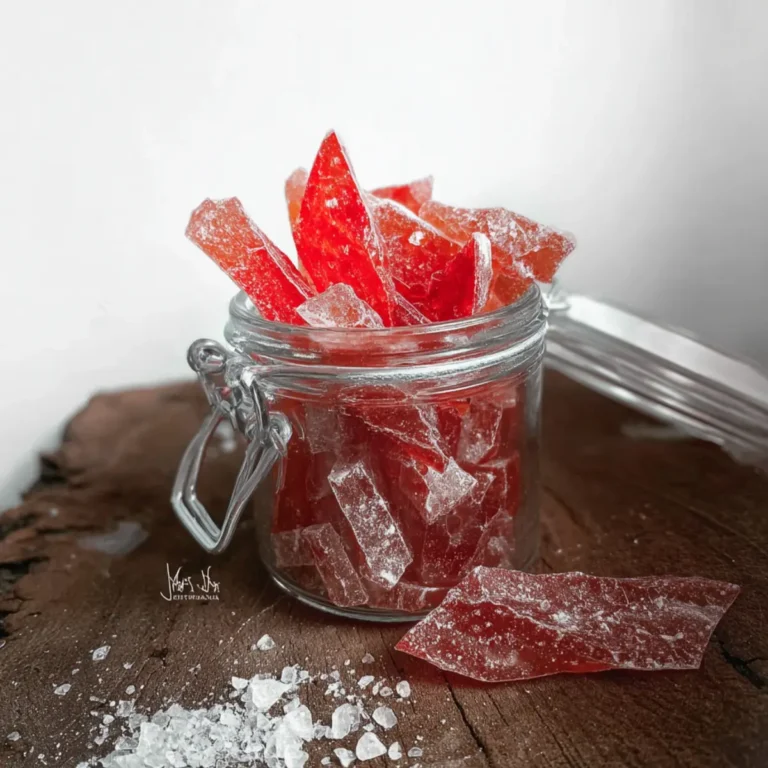
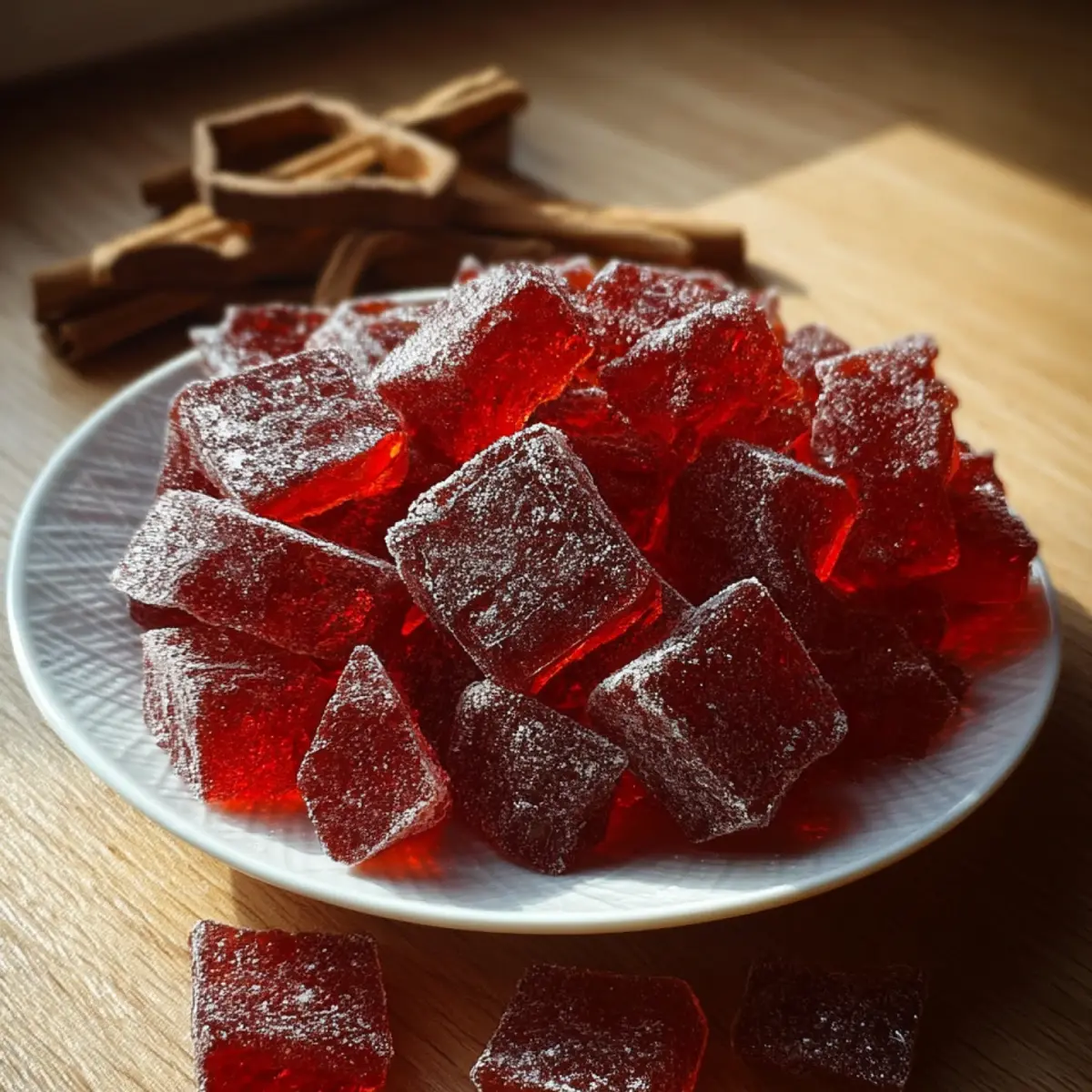
If you never had the pleasure of crunching into a shard of old-fashioned cinnamon rock candy, let me set the scene. Picture this: crisp, chilly air outside, the kitchen full of light, and that unmistakable spicy-sweet aroma wrapping around you as you stir molten sugar on the stove. It’s a recipe I keep tucked away for the holiday season, but honestly, there’s really no wrong time to whip up a batch. There’s something about the brilliant red color and glassy snap of this candy that feels both nostalgic and cheerfully bold. I love making extra—some to tuck into tins for gifts, but a healthy stash always stays behind for whenever I need a little fiery pick-me-up.
When Cinnamon Rock Candy Brightens the Room
There’s just something irresistible about the glimmer and crackle of cinnamon rock candy when it’s spread across the table—like stained glass for your sweet tooth. I first learned to make it standing on a rickety stool beside my grandmother, wide-eyed and worried I’d burn the whole house down. The scent—bright, warming, a little bit dangerous—would drift all the way up the stairs. These crimson bites are true showstoppers at holiday gatherings, yet they’re so simple to make you’ll wonder why they ever seemed intimidating. Whether you fill a glass jar to sit on the counter, share a handful with friends, or sneak a piece with your afternoon coffee, old-fashioned cinnamon rock candy has a way of stealing the scene.
The Ingredients That Bring Cinnamon Rock Candy to Life
Every batch of this nostalgic treat starts with just a handful of basic—but crucial—ingredients. Here’s what you’ll need to work that sweet, spicy magic:
- sugar – forms the backbone and body of the candy, melting down to catch the lively cinnamon heat.
- Light corn syrup – keeps things glossy and helps prevent unsightly crystals from ruining your shimmering slabs.
- Water – does the hard work of dissolving sugar and smoothing the mixture at the very start.
- Cinnamon oil (or cinnamon extract) – this is where the flavor explodes; use oil for bold intensity or opt for extract for a slightly milder bite.
- Red food coloring (optional) – go for it if you crave that fire-engine red drama, or skip it for a more understated, golden hue.
- Cream of tartar – the unsung hero that keeps your sugar syrup from crystallizing and your candy glass-clear.
See the recipe card below for the full list of ingredients and measurements.
Create the Sparkle: Melting, Mixing, and Pouring
Candy-making always feels a little like alchemy—a heady mix of heat, timing, and transformation. Here’s how I bring this spicy-sweet treat to life:
- Start by prepping your baking pan—give it a quick swipe of oil or lay down parchment, enough so the finished rock candy pops right out later.
- In a heavy-bottomed saucepan (the heavier the better for even heat), combine your sugar, corn syrup, water, and cream of tartar. Stir gently over medium heat, just until the sugar fully dissolves and you’re staring at a slick, clear syrup. As soon as you spot the first bubbles, put that spoon down—no more stirring, promise!
- Clip a trusty candy thermometer onto your pan, with the tip sitting comfortably in the syrup (never touching the metal bottom—nobody wants an inaccurate temp).
- Now, patience. Let the syrup boil undisturbed until it hits the hard crack stage (around 150°C). It’s a bubbling, glassy cauldron at this point—once the temp starts to soar, keep your eyes glued to the numbers.
- Remove the pan from the heat as soon as you hit 150°C. Let the bubbling calm for half a minute—the difference between frantic fizz and safe stirring.
- Add in your cinnamon oil (and a few drops of food coloring if that’s your style). Stir swiftly and carefully; the scent instantly punches up, making your eyes water in the best way.
- Pour the molten mixture into your prepared pan. Whatever you do, resist the urge to scrape every last bit out—it’s tempting, but can turn your candy cloudy. Walk away and let the slab cool and solidify (room temperature is best, and don’t rush things with the fridge).
- Once your candy is rock-hard and fully cooled, transfer it carefully to a solid surface or place it inside a sturdy plastic bag. Whack it (gently, passionately—the mood’s up to you) with a mallet, heavy spoon, or even the bottom of a mug. Watch it break into irregular, jewel-like pieces.
- Stash your cinnamon rock candy in an airtight container to keep it crunchy, fiery, and ready whenever you need a sugary kick.
The Flavor Punch and Texture Snap
The first thing you notice as you nibble a piece is the unmistakable cinnamon burn—it’s loud, unmistakably nostalgic, and lingers just long enough to wake up your taste buds. Then comes the texture: a clean, sharp snap that crumbles to crystals under your teeth, followed by slow-melting sweetness. Unlike most store-bought versions, homemade rock candy bursts with real heat and a purer crunch. Every bite is a quick trip down memory lane, but with an edge that keeps pulling you back for more. Some people taste a little anticipation, that mix of bold color and spicy scent, well before it even touches their tongue.
Tips, Troubles & Double Batch Magic
Homemade candy sounds tricky, but a few simple tricks make it almost foolproof. Avoid stirring your syrup once it starts to boil—this prevents unwanted crystallization (trust me, patience pays off here). Make sure your thermometer is properly placed, and always watch closely as you come up on the hard crack stage. For families who want a gentler heat, swap in cinnamon extract for the oil, or even split your batch and flavor half one way and half the other.
Store your finished candy at room temperature in an airtight jar or tin. No need for refrigeration (it can make the pieces sticky). If you’re feeling festive, toss freshly-broken pieces with a light dusting of powdered sugar—keeps everything from sticking, and looks snowy and enchanting. And don’t be shy about doubling up; this rock candy disappears fast, especially with company around.
Serving Cinnamon Rock Candy with Style
There’s no wrong way to serve these fiery red gems. Pile a mound in a glass candy dish for an old-world feel, or slip a handful into cellophane bags tied with ribbon for instant hostess gifts. Scatter pieces over a holiday dessert platter and watch guests sneak seconds. I even like adding a bit to mug cakes or hot chocolate—let them melt and swirl for a spicy finish. For grown-ups, a chunk or two dropped into a steaming mug of tea is its own winter miracle. However you share (or keep) yours, these bites shine brightest with a bit of ceremony—a pause, a crunch, and that rush of heat.
FAQs about Old-Fashioned Cinnamon Rock Candy
Can you freeze old-fashioned cinnamon rock candy?
Freezing isn’t recommended, as moisture in the freezer tends to make the candy sticky and cloudy. Instead, keep your rock candy tightly sealed at room temperature. It’ll stay crisp and fresh for several weeks.
How long does cinnamon rock candy keep?
If kept in an airtight jar or container away from humidity and heat, cinnamon rock candy lasts beautifully for up to a month—sometimes even longer. Just make sure it’s not exposed to damp air or light, which can dull both flavor and snap.
Is it possible to make old-fashioned cinnamon rock candy without corn syrup?
Corn syrup helps prevent crystallization, giving your candy a glossy, glass-like finish. You can try using glucose syrup or golden syrup as a substitute, but results may vary slightly in clarity and hardness.
What’s the best way to gift old-fashioned cinnamon rock candy?
Small cellophane bags tied with ribbon, decorative tins, or glass jars all make excellent, charming packaging for gifting. Layering the candy with a dusting of powdered sugar can help prevent sticking and keeps everything looking festive.
Few candies are as spirited and memorable as old-fashioned cinnamon rock candy. It’s a hands-on recipe with a bit of drama and plenty of rewards: vivid color, crackling texture, and a spicy-sweet burn that wakes up every sense. Whether you’re reviving a family tradition or starting a new one, cinnamon rock candy brings just enough challenge to make the results feel extra special. Break a piece, let the heat linger, and don’t be surprised if you find yourself stirring up another batch before the jar even empties.
More Delicious Recipes
- Homemade Peppermint Patties: These festive treats share a similar nostalgic vibe, making them great for holiday gatherings.
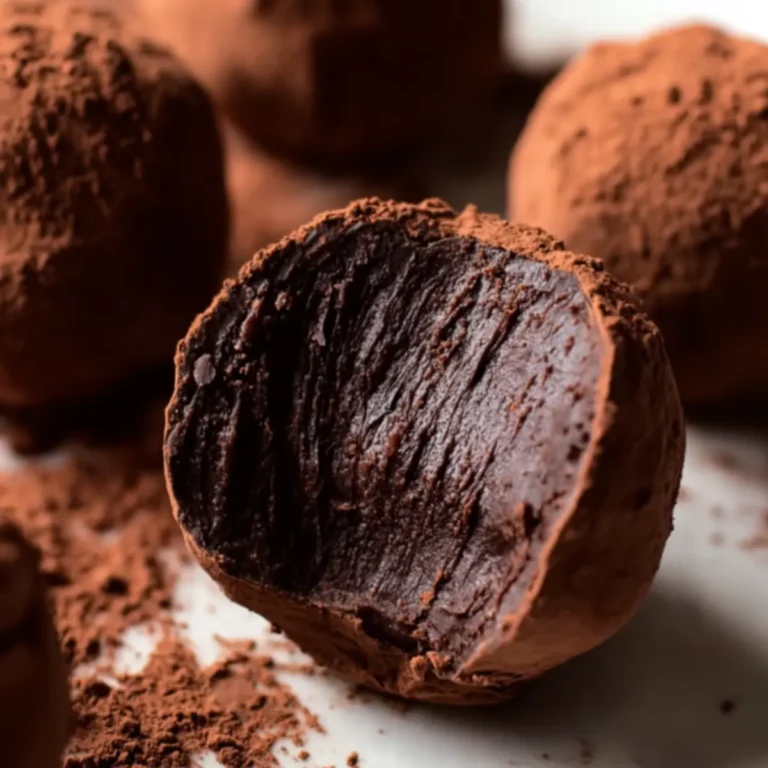
- Dark Chocolate Espresso Truffles: Indulge in these decadent truffles that complement the bold flavors of cinnamon rock candy.
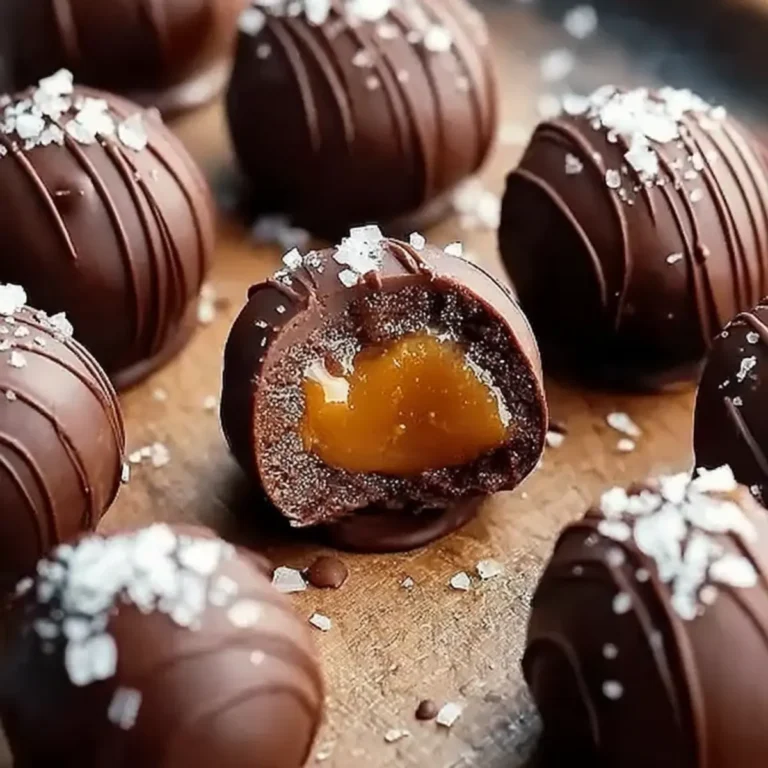
- Salted Caramel Fudge Truffles: Perfect for those who love sweet and salty combinations, making a delicious contrast to the spicy cinnamon.
Old-Fashioned Cinnamon Rock Candy: A Classic Homemade Treat
Ingredients
Equipment
Method
- Lightly grease a 9×13 inch baking pan or line it with parchment paper. Set aside.
- Combine the sugar, corn syrup, water, and cream of tartar in a heavy-bottomed saucepan. Stir gently over medium heat until the sugar dissolves completely. Do not stir once the mixture boils.
- Attach a candy thermometer to the side of the pan, making sure the tip is submerged but not touching the bottom.
- Boil the mixture without stirring until it reaches 300 degrees Fahrenheit (the hard crack stage). Watch the temperature closely as it rises quickly near the end.
- Remove the pan immediately from the heat once 300 degrees Fahrenheit is reached. Wait about 30 seconds for the bubbling to subside slightly.
- Carefully stir in the cinnamon oil and the red food coloring, if you are using it. Stir just enough to combine the flavor and color.
- Quickly pour the hot candy mixture into your prepared pan. Do not spread or scrape the sides of the pan, as this can cause crystallization.
- Allow the candy to cool completely and harden at room temperature for at least 2 hours, or until fully set. Do not refrigerate.
- Once hard, place the candy slab on a clean surface or inside a sturdy plastic bag. Use a heavy object, like a meat mallet or the back of a spoon, to break the candy into small, irregular pieces (rock candy).
- Store your homemade cinnamon candy in an airtight container at room temperature.