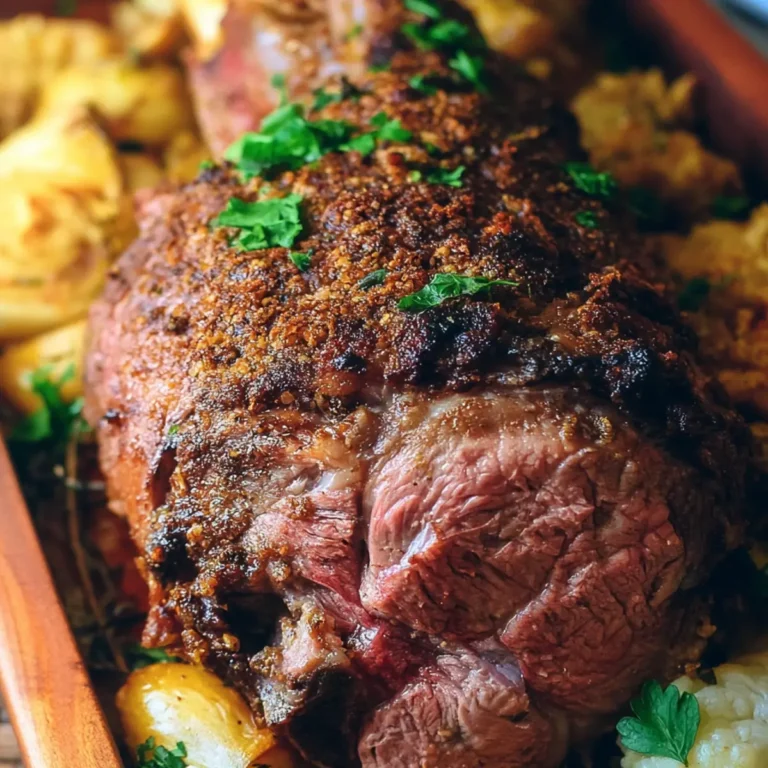
Sometimes you need a meal that’s a true showstopper—the sort that fills the kitchen with promise long before you even sit down. Persian Lamb Stew is exactly that kind of dish: fragrant, rich, and loaded with layers of flavor that keep you returning for “just one more spoonful.” It’s one of those recipes that’s perfect when you want to treat yourself or impress the whole table, but surprisingly easy to pull off.
If you’re tired of the same old stew combinations, this one will totally recast what you expect from a pot of simmered lamb. With warming spices, tangy pomegranate molasses, and the irresistible crunch of ground walnuts, Persian Lamb Stew brings plenty of comfort and a dash of the unexpected. Whether you go with a classic stovetop approach, your trusty Instant Pot, or a slow cooker, the aroma alone will have everyone hovering nearby.
Layers of Flavor and Comfort in Persian Lamb Stew
Persian Lamb Stew isn’t just a meal; it’s comfort food with personality. Imagine tender chunks of lamb melting into a sauce that’s both tangy and sweet, laced with cinnamon, cumin, turmeric, and nutmeg. The inclusion of ground walnuts brings a subtle richness, while the addition of pomegranate molasses and a hint of orange peel lifts each bite out of the ordinary.This stew delivers the kind of flavor that takes minimal effort but rewards you with something that feels suitably special—whether for a family gathering, a cozy cold-night treat, or a twist on weekend entertaining. The aroma alone, billowing from the pot as it simmers, promises a feast worth lingering over. What really sings here is the balance—sweetness from honey and cranberries, earthiness from the lamb and nuts, brightness from herbs, and fragrance from each spice. Every element of Persian Lamb Stew works in perfect harmony.
Ingredient Glow: What’s Inside Persian Lamb Stew
Persian Lamb Stew shines because of its carefully chosen ingredients—each one adding something distinct. Here’s what you’ll need for maximum flavor and an unforgettable meal.- Walnuts – Toasted and ground, they give body to the sauce and add a subtle, nutty richness.
- Olive oil – Helps sauté and enhance the depth of flavor in the stew base.
- Unsalted butter – Softens onions and spices for a luscious, savory background.
- Onions – When cooked slowly, they create a sweet, melting backbone for the sauce.
- Garlic cloves – Minced for a pungent, aromatic foundation.
- Ground cinnamon – Adds warmth and a whiff of sweetness.
- Ground cumin – Brings earthiness and a deep undertone.
- Ground turmeric – For color and a gentle, slightly bitter edge.
- Ground nutmeg – Echoes the warmth of other spices and amplifies complexity.
- Cinnamon stick – Simmered whole for an extra layer of spice.
- Orange peel – Infuses a delicate citrus fragrance to balance the richness.
- Diced lamb shoulder – The main protein; tender and flavorful when slow-cooked.
- Dried cranberries – Bright and sweet-tart, standing in for traditional barberries.
- Pomegranate molasses – Delivers punchy tang and slight sweetness.
- Honey – Softens the acidity from the molasses and deepens sweetness.
- Chicken stock (or broth) – Adds savory depth and gently braises the lamb.
- Chopped parsley & mint – Bright, fresh garnishes that wake up the dish before serving.
- Basmati rice – Long, fragrant grains for the classic stew pairing.
- Cardamom pods, bay leaf, cinnamon stick, turmeric, salt – Key to making the golden rice extra aromatic and flavorful.
- Hot vegetable stock (or water) – Steams the rice for fluffy, flavorful grains.
See the recipe card below for the full list of ingredients and measurements.
Ingredient Swaps and Simple Tweaks
If you need to switch things up, dried barberries can be used in place of cranberries if you can find them. Lamb shoulder stays moist during slow cooking, but lamb leg or even chicken can work for a lighter twist. A Dutch oven or heavy casserole dish is ideal, but you can use an Instant Pot or slow cooker for convenience.Step-by-Step: How to Make Persian Lamb Stew
Bringing Persian Lamb Stew to life is about layering flavors throughout the cooking process. Here’s how it all comes together:- Toast the walnuts in your casserole dish or in the oven until fragrant and just golden. Watch them closely to prevent burning. Once ready, grind them to a fine powder using a mini chopper or food processor.
- Heat olive oil and butter in your pot until the butter foams. Add the onions, then cover and cook over very low heat, stirring occasionally. Let the onions soften slowly—they should become sweet and translucent, not browned.
- Stir in the garlic, ground cinnamon, cumin, turmeric, nutmeg, a cinnamon stick, orange peel, and a pinch of salt. As the spices bloom, you’ll notice their aromas deepen, infusing everything with warmth. Let them cook about a minute or two.
- Add the diced lamb shoulder to the pot. Stir well to coat the meat with the fragrant spice mixture. If the pan seems dry, splash in a little stock to deglaze, scraping up any flavorful browned bits from the base.
- Drizzle in the pomegranate molasses and honey, then add the dried cranberries. Mix well so the sweet and tangy flavors start to meld. Pour in the chicken stock and bring everything to a gentle simmer.
- Add the ground walnuts to the stew, stirring to thicken the sauce. Cover and cook on very low heat, allowing the lamb to become meltingly tender and the sauce to deepen in color and flavor. Stir every so often to keep the walnuts from sticking as the liquid reduces.
- When the stew is thickened and glossy brown, fish out the cinnamon stick and orange peel. Taste and adjust seasoning if needed with salt and pepper. Finish by garnishing with chopped parsley, mint, and (if you like) pomegranate seeds scattered for sparkle.
- For golden rice: Heat butter in a lidded pot, then stir in turmeric, cardamom, cinnamon, salt, and bay leaf. Add basmati rice and coat in the fragrant butter. Pour over hot vegetable stock. Once simmering, cover tightly and let steam on the lowest heat. Resist the urge to peek—this helps the rice stay fluffy. Once done, remove the whole spices, fluff gently, and serve with the stew.
Texture Cues, Tips and Trouble-Free Stewing
For Persian Lamb Stew that truly hits the mark, it all comes down to a few simple but important details. Don’t rush the onions—they’re central to the sauce’s backbone, and slow-cooking draws out their sweetness. Toasting the walnuts unlocks earthy depth and prevents bitterness.When you add ground walnuts to the stew, make sure to stir now and then, as they can stick to the pot if left alone. Lamb shoulder is ideal because it becomes beautifully tender as the stew simmers. If the sauce is reducing too quickly, keep your heat on the lower side and stir more often.
- Keep onions soft—not browned or caramelized—for the silkiest base.
- Let the sauce simmer low and slow so the flavors marry and the lamb turns fork-tender.
- Stir regularly once the walnuts are in to avoid sticking.
- Taste before serving and bump up seasoning or sweetness if you like.
Serving Ideas, Variations, and Pairings for Persian Lamb Stew
This stew begs for fluffy basmati rice on the side, especially rice cooked with a little turmeric and spice for a golden hue. Top everything off with fresh parsley, mint, or a final shower of pomegranate seeds for sparkle and freshness.Classic pairings include crisp salads with cucumbers and yogurt, warm flatbread, or pickles for a little bite. If you’re playing with variations, try swapping lamb for chicken thighs or using dried barberries instead of cranberries for an authentic Persian touch. For a vegetarian twist, the base sauce and golden rice would work well with slow-roasted root veggies or mushrooms.
The sweet-tart notes and gentle spices make this stew work well alongside grilled eggplant, roasted carrots, or even a dollop of plain yogurt to cool every bite.
Keeping It Fresh: Storing, Making Ahead, and Reheating
This is an excellent make-ahead dish—the flavors only improve overnight. Let Persian Lamb Stew cool completely, then store it covered in the fridge. It keeps well for a few days and actually tastes even richer after settling.To reheat, warm gently over low heat on the stove, stirring occasionally and adding a splash of water or stock if the sauce has thickened too much. The stew is also freezer-friendly for up to a couple of months; just thaw and reheat slowly, stirring to blend the sauce smoothly again.
Golden rice tastes best when fresh but can be revived with a quick steam.
FAQs about Persian Lamb Stew
What can I use instead of lamb shoulder in Persian Lamb Stew?
You can substitute lamb leg or even boneless chicken thighs for lamb shoulder. Both will become tender, but adjust cooking times since chicken cooks much faster than lamb.
Can Persian Lamb Stew be made ahead of time?
Yes, Persian Lamb Stew is perfect for making ahead. As it sits, the flavors meld and deepen, making leftovers taste even more delicious the next day.
Is it possible to freeze the stew and reheat later?
You can freeze Persian Lamb Stew without issue. Let it cool fully before transferring to an airtight container, then thaw and reheat gently on the stove, adding a splash of stock if needed.
What can I serve with Persian Lamb Stew for a complete meal?
Serve the stew with golden basmati rice, warm flatbread, and a side of chilled yogurt or cucumber salad. These pairings round out the flavors and add texture variety to the meal.
Bring Warmth to Your Table with Persian Lamb Stew
Few dishes create as much anticipation as a pot of Persian Lamb Stew quietly bubbling away. Every step, from toasting walnuts to adding a cascade of spices, fills your kitchen with deep, inviting aromas. Whether you’re sharing it with friends or keeping leftovers for yourself, this stew brings warmth, comfort, and a little bit of feast-day magic to any table.One spoonful, with its tender lamb and sweet-tart accents, sums up everything that’s special about this dish—especially when piled beside a generous scoop of golden rice.
What To Try Next
If you enjoyed the warm spices of Persian Lamb Stew, these recipes make great follow-ups in flavor and comfort.
- Creamy Cajun Pasta — shares bold spices that make every bite memorable.
- Summer Berry Mini Galettes — a fresh, fruity dessert to balance your hearty meal.
- Creamy Hamburger Hash Brown Casserole — comfort food with a similar rich, cozy vibe.
Recommended Equipment

Staub 1102285 Cast Iron Casserole with Enamel Interior
Perfect for slow cooking Persian lamb stew
View on Amazon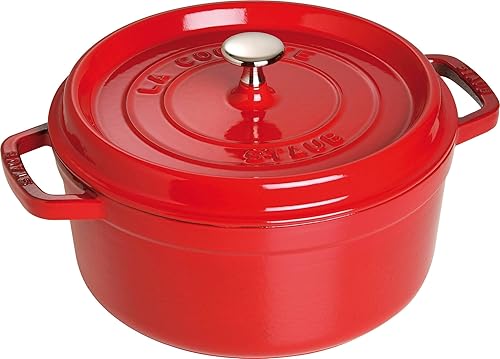
Staub Round Cocotte Cast Iron Roaster – Cherry
Ideal for slow-cooked stews and tender lamb
View on Amazon
Amazon Basics Round Enamelled Cast Iron Roasting Casserole
Great for roasting and slow cooking lamb stew
View on Amazon* As an Amazon Associate, I earn from qualifying purchases. There is no extra cost to you.
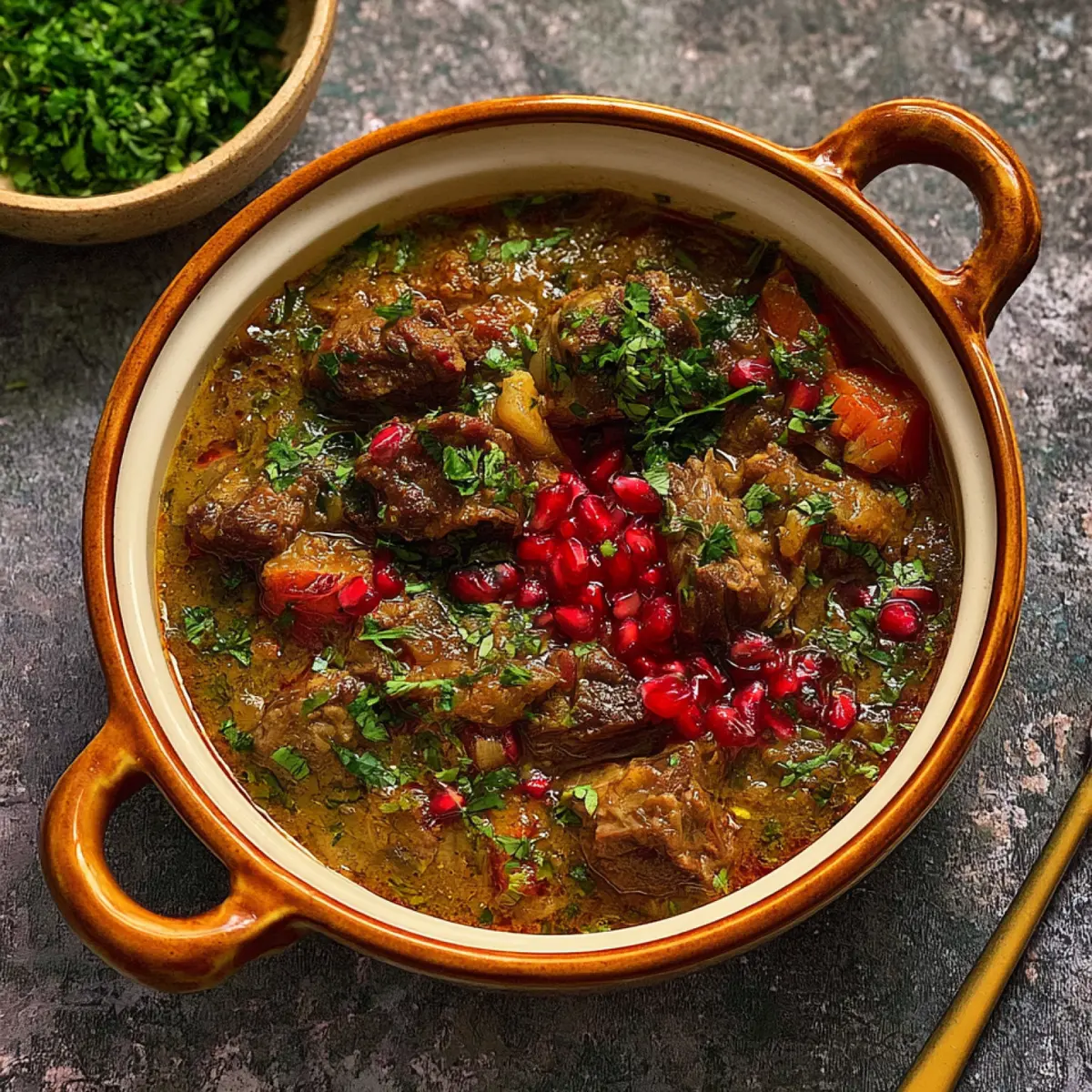
Persian Lamb Stew
Ingredients
Method
- Toast your walnuts for maximum flavor… You can do this in the same casserole dish you make the stew in or in the oven. Either way watch them like a hawk lest they burn. Once the walnuts start toasting transfer them to a mini chopper and grind to a fine powder.
- Heat olive oil and butter in your casserole until butter starts foaming. Add the onions, cover the pot and cook over very low heat for 20 minutes, stirring occasionally. Don’t let them color or catch.
- Stir in the garlic, cinnamon, cumin, turmeric, nutmeg, salt, cinnamon stick and orange peel, cooking for a minute or two.
- Add the lamb, stirring to coat in the aromatic spices. If the pan gets dry, add a little of the stock and scrape any browned bits in the pan.
- Drizzle in the pomegranate molasses and honey. Add the dried cranberries, stirring to combine. Pour in the stock and bring to a simmer.
- Add the ground walnuts, stir to combine then cover the pot and cook on very low heat for about an hour. Open the casserole and give the stew a good stir every 20 minutes or so to make sure the walnuts are not sticking. By the the of your cooking time most of the liquid will have cooked down and the stew will be thick and glossy brown.
- Discard the cinnamon stick and orange peel. Taste and season with salt and pepper. Garnish with chopped parsley and mint. Scatter jewel-like pomegranate seeds over the stew and serve.