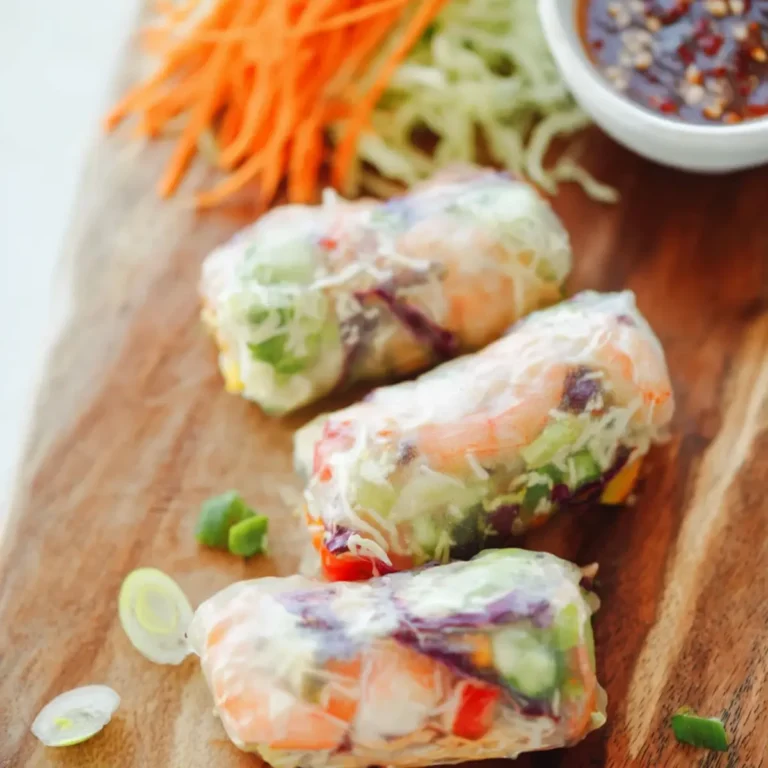
A stack of glossy rice paper sheets, a mess of herbs on the counter, and my kitchen buzzing with the sweet scent of shrimp and fresh lime—this is what Thai Fresh Spring Rolls night always looks like in my house. If you’re searching for something crisp and cool, bursting with color and texture, these rolls are pretty much the ultimate edible art project. Bite after bite, you get bright herbs, sweet crunch, and that can’t-stop-dipping peanut-hoisin sauce.
There’s something so satisfying about wrapping up vegetables and shrimp in translucent rice paper and dunking each roll into a creamy, tangy sauce. Whether it’s a party, meal prep, or just because, Thai Fresh Spring Rolls bring a little celebration to your table.
Vibrant Flavors and Freshness: What Makes Thai Fresh Spring Rolls Irresistible
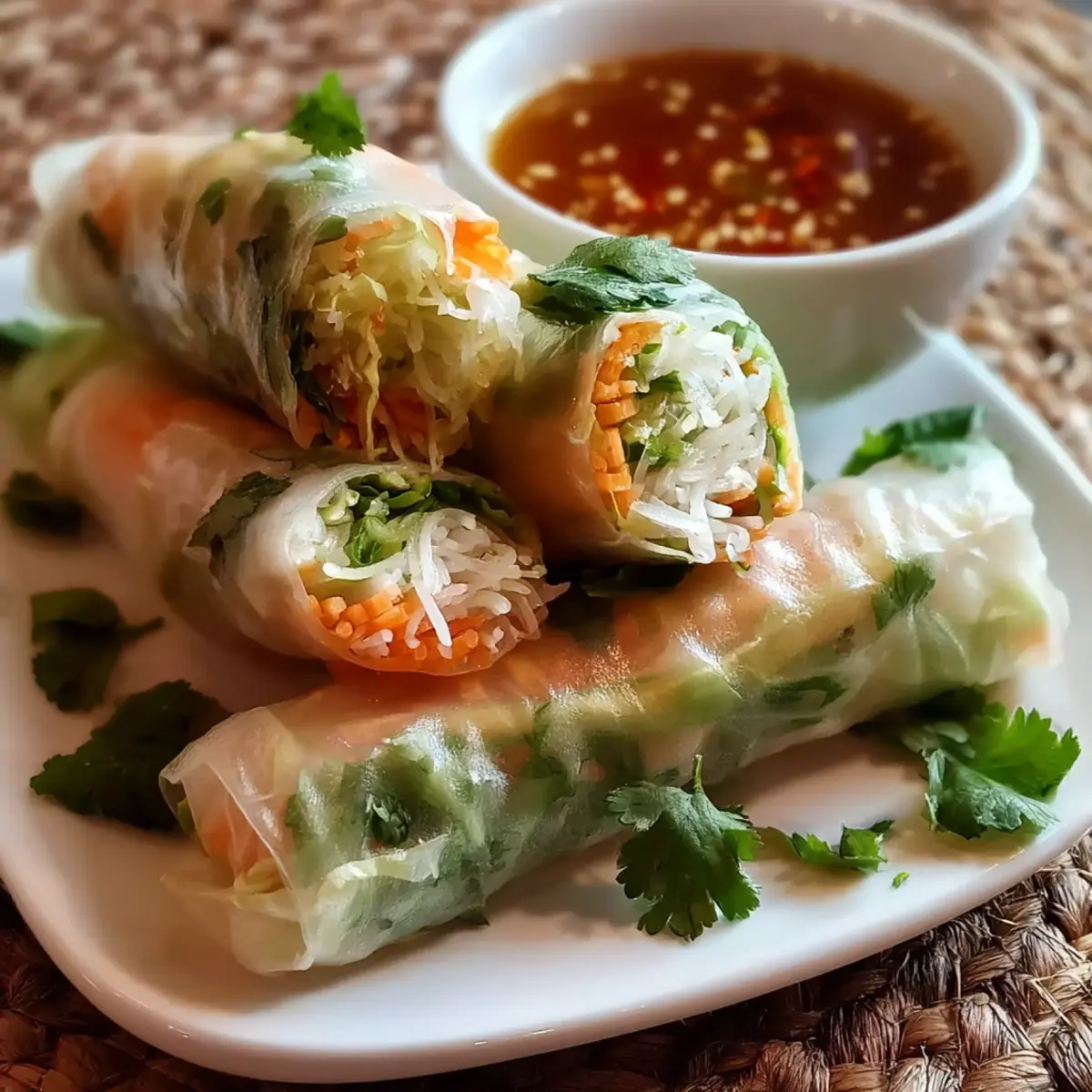
Thai Fresh Spring Rolls are pure summer eating, no matter the weather outside. Each roll is a burst of color, crunch, and aroma—soft rice paper hugging chilled shrimp, bouncy vermicelli, and a garden’s haul of crunchy vegetables and fragrant herbs. You get a cool, fresh flavor in every bite, with juicy shrimp, crisp lettuce, and a symphony of mint, cilantro, and basil singing in the background.What really sets these apart? It’s the contrast. Tender noodles, delicate wrappers, and herbs mingling with sweet carrots, zesty cucumber, and that hint of licorice from Thai basil. Dip them in peanut-hoisin sauce and you’ll taste tang, nuttiness, and a big hit of umami. They’re light but satisfying, perfect for an appetizer platter or a light, hands-on main.
Ingredients for Thai Fresh Spring Rolls: Colors, Crunch, Herbs
You’ll want a cutting board, a very sharp knife (or mandoline for perfect matchsticks), a wide shallow dish for soaking the wrappers, and a clean, damp towel or plastic cutting board for assembly. Here’s what you’ll need for Thai Fresh Spring Rolls:- Rice Paper Wrappers – The delicate, translucent blanket that holds everything together. Soft and stretchy when hydrated, but keep them from drying out.
- Rice Vermicelli Noodles – Thin and starchy, these noodles are the pillowy base inside each roll.
- Large Cooked Shrimp – Plump, juicy, and perfectly pink sliced in half for show-stopping visual appeal.
- Carrots – Sweet crunch and a pop of orange, cut into extra-thin matchsticks so they tuck in easily.
- Cucumber – Crisp, cool, and green, these add moisture and a refreshing bite.
- Butter or Leaf Lettuce – Gentle flavor and a soft barrier to keep your rice paper from tearing.
- Fresh Mint Leaves – Sharp and aromatic, for that classic Southeast Asian zip.
- Fresh Cilantro Leaves – Bright and citrusy, balancing out richer flavors and tying all the veggies together.
- Fresh Thai Basil Leaves – A unique twist if you can find it—offers notes of sweet licorice that regular basil doesn’t provide.
- Creamy Peanut Butter – The creamy backbone of the dipping sauce, best with classic commercial brands to avoid separation.
- Hoisin Sauce – Adds deep, sweet-salty complexity to the dipping sauce.
- Soy Sauce or Tamari – For rich umami and a salty finish (swap for tamari if gluten-free).
- Fresh Lime Juice – Lifts and brightens everything, from the sauce to the roll.
- Rice Vinegar – Gives an extra nudge of acidity and balances the sauce’s sweetness.
- Freshly Minced Garlic – A little sharp, a little savory, for the sauce’s base notes.
- Grated Fresh Ginger – Bit of warmth and zing, perfect for play with the creamy sauce.
- Hot Water – Use to adjust the peanut sauce to your ideal dipping consistency, or swap for coconut milk for extra richness.
See the recipe card below for the full list of ingredients and measurements.
Step-by-Step: How to Make Thai Fresh Spring Rolls
Making Thai Fresh Spring Rolls is all about prep and an assembly rhythm. Here’s how to get the freshest results at home:- Bring a medium pot of water to a boil and cook the rice vermicelli noodles until tender but still bouncy. Drain and rinse under cold water to keep them from sticking or becoming overcooked.
- Prepare the shrimp by peeling and deveining, then poach quickly until pink and just cooked. Allow to cool, then slice in half lengthwise for those gorgeous stripes when you roll.
- Wash and dry your vegetables and herbs. Julienne the carrots and cucumber into slender matchsticks—aim for uniform length and thickness for easier wrapping. Separate lettuce leaves and pluck mint, cilantro, and basil from their stems.
- Arrange everything in small bowls or neat piles around a large cutting board. This assembly line setup helps you work efficiently and keeps everything within easy reach.
- Fill a large, shallow dish with warm water. Dip one rice paper wrapper into the water, submerging for just a few seconds—don’t let it get too soft in the bowl, as it will continue to hydrate while you work.
- Lay the softened wrapper flat on your clean, damp surface. If it’s a hot day, a slightly wet towel can help keep it from sticking.
- Place lettuce on the bottom third of the wrapper, closest to you. Top with a nest of noodles, a few strands of carrots and cucumber, and a generous sprinkle of mint, cilantro, and basil.
- Lay several shrimp halves in a row just above the veggie pile, with the cut side facing up. This gets you that iconic pink stripe once the rolls are wrapped.
- Fold the bottom of the rice paper up and over the filling, pulling it snug to compact everything.
- Fold both sides of the wrapper inward, encasing the filling burrito-style.
- Roll everything upwards, keeping the wrapper tight as you go. The rice paper will seal itself at the end, and the shrimp should show through on top.
- Place each finished roll on a platter and cover with a damp paper towel so they don’t dry out. Make sure rolls do not touch each other, or they may stick.
- For the dipping sauce, combine creamy peanut butter, hoisin, soy or tamari, fresh lime, rice vinegar, minced garlic, and ginger in a bowl.
- Whisk until the sauce is smooth and thick, then gradually add hot water to reach your desired consistency—pourable but not watery.
- Taste the sauce and tweak to your liking. More salt, lime, hoisin, or a touch of spice (think sriracha or chili flakes) can be added as you go.
- When ready to eat, pour the peanut sauce into a serving bowl, topped with crushed peanuts or cilantro if you like, and serve alongside your platter of fresh spring rolls.
Roll Like a Pro: Texture Cues and Troubleshooting Tips
A few kitchen cues will set your Thai Fresh Spring Rolls apart, especially if it’s your first time folding these beauties. Rice paper wrappers are delicate—if they feel sticky, you may have soaked them a touch too long, so use a gentle hand when lifting. If your rolls are tearing, check that your lettuce is providing enough of a barrier and avoid overstuffing.- Keep a damp paper towel handy to prevent wrappers and completed rolls from drying out.
- Let excess water drip off after softening your wrapper, but don’t pat dry—you want just enough moisture.
- If your filling slips out, try rolling tighter and tucking each fold as you go.
- Use a plastic or glass cutting board when rolling to prevent sticking and help transfer finished rolls more easily.
- The dipping sauce should cling to the rolls, not pool off—adjust with hot water a tablespoon at a time.
Fresh Ideas: Variations, Pairings, and Serving Tips
Spring rolls are endlessly flexible, great for clearing out the fridge or catering to different tastes. Try these springboard ideas:- Use tofu or cooked chicken instead of shrimp for a different protein profile.
- Add thin strips of bell pepper or shredded red cabbage for extra crunch and color.
- Mix in Thai basil or swap for regular basil if you can’t find the authentic variety.
- Serve with extra lime wedges and a side of sweet chili sauce for a spicy-sweet dipping option alongside your peanut sauce.
- Pair as a light appetizer with grilled meats, pad Thai, or even a simple cucumber salad for a vibrant meal.
Keeping Spring Rolls Fresh: Storage and Make-Ahead Tips
Thai Fresh Spring Rolls taste best the same day you roll them, when the wrappers are soft and the veggies crisp. If you need to make them ahead, cover each roll with a damp paper towel, then a layer of plastic wrap, and store in the refrigerator—they’ll stay soft and fresh for several hours.For best texture, avoid storing overnight, as the rice paper can become gummy or dry. Store the dipping sauce separately in an airtight container in the fridge and stir as needed—add a splash of warm water if it thickens too much. If you want to prep ahead, keep each component separate, assemble right before serving, and you’ll get that just-rolled freshness.
FAQs about Thai Fresh Spring Rolls
Can I make Thai Fresh Spring Rolls in advance?
Yes, you can make them a few hours ahead. To keep them fresh, cover each roll with a damp towel and wrap tightly with plastic wrap in the fridge. Assemble shortly before serving for the best texture, as the rice paper can get sticky or tough over time.
What is the best way to store leftover Thai Fresh Spring Rolls?
Leftover spring rolls should be wrapped individually in damp paper towels and stored in an airtight container in the refrigerator. Eat within the same day for best flavor and texture, as the wrappers may dry out or become chewy if stored too long.
What can I use instead of shrimp in Thai Fresh Spring Rolls?
You can substitute shrimp with tofu, chicken, or even thinly sliced cooked beef. Make sure the protein is cool and cut into thin pieces to ensure easy rolling and even flavor in each bite.
Why do my spring roll wrappers keep tearing?
Wrappers usually tear from oversoaking, overstuffing, or not using a lettuce barrier. Dip rice paper briefly, avoid overfilling, and use soft lettuce leaves as your first layer to strengthen each roll and prevent ripping.
The Finishing Touch: Crisp, Fresh, and Dippable
Thai Fresh Spring Rolls show off what’s best about simple, fresh ingredients—crisp vegetables, bright herbs, and that comforting, creamy peanut sauce. Whether you’re rolling for a crowd or just for yourself, the process is as rewarding as the first bite. Serve up a platter, gather around, and enjoy layers of crunch, color, and coolness—the ultimate kitchen craft for anyone who loves food with flair.What To Try Next
Looking for fresh and flavorful ideas to enjoy alongside or after your Thai Fresh Spring Rolls?
- Classic Ranch Dressing Takes 3 Ingredients — a simple, creamy dressing that complements fresh veggies beautifully.
- Aloha Grilled Pineapple Chicken — perfect for a light, tropical main to accompany your spring rolls on a warm day.
- Bok Choy with Garlic and Ginger — a quick stir-fry that shares the fresh Asian flavors you love in your spring rolls.
Recommended Equipment

Kenwood Easy Chop CHP61.100WH Electric Mini Chopper
Chopping herbs and vegetables for spring rolls
View on Amazon

Kenwood Titanium Chef Baker KVC65.001WH
Mixing and kneading fresh roll dough if needed
View on Amazon* As an Amazon Associate, I earn from qualifying purchases. There is no extra cost to you.
Thai Fresh Spring Rolls Recipe
Ingredients
Equipment
Method
- Cook the Noodles: Bring a medium pot of water to a boil. Add the rice vermicelli noodles and cook according to the package directions, usually for about 3-5 minutes, until tender but not mushy. Immediately drain the noodles and rinse them thoroughly under cold running water to stop the cooking process and wash away excess starch. Set aside.
- Prepare the Shrimp: If your shrimp aren’t already prepared, peel and devein them. You can poach them in simmering water for 2-3 minutes until pink and opaque. Once cooled, slice each shrimp in half lengthwise. This showcases the beautiful pink color through the wrapper.
- Prep the Vegetables and Herbs: Wash and dry all your produce. Use a mandoline or a sharp knife to julienne the carrots and cucumber into thin, uniform matchsticks about 2-3 inches long. Wash the lettuce and separate the leaves. Gently wash and pat dry the mint, cilantro, and Thai basil, removing them from their tougher stems.
- Set Up Your Assembly Line: Arrange all your prepared ingredients in separate bowls or piles on a large cutting board. Have your cooked noodles, shrimp halves, carrots, cucumber, lettuce, and fresh herbs all within easy reach.
- Hydrate the Wrapper: Fill a large, shallow dish (a pie plate is perfect) with warm water. The water should be warm to the touch, but not hot, as hot water will make the wrapper too sticky and fragile. Slide one rice paper wrapper into the water and submerge it for about 15-20 seconds, until it becomes soft and pliable. Don’t oversoak it; it will continue to soften as you work.
- Lay the Foundation: Carefully lift the softened wrapper from the water, letting any excess water drip off. Lay it flat on a clean, damp work surface.
- Layer the Fillings: Imagine the wrapper is a clock face. On the bottom third of the wrapper (closest to you, around 6 o’clock), place a piece of lettuce. This acts as a sturdy base. Top the lettuce with a small handful of rice noodles, some carrot and cucumber matchsticks, and a generous sprinkling of mint, cilantro, and basil leaves.
- Place the “Showcase” Ingredient: About an inch and a half above your main pile of fillings, lay 3-4 shrimp halves in a neat row, cut-side up. When you roll it up, the beautiful pink side of the shrimp will be visible through the translucent wrapper.
- The First Fold: Take the bottom edge of the rice paper (the edge closest to you) and fold it up and over the large pile of fillings. Gently pull it snug to compact the ingredients.
- Fold the Sides: Fold the left and right sides of the wrapper in towards the center, like you’re folding a burrito. This will enclose the fillings.
- The Final Roll: Continue rolling the entire package upwards, away from you, keeping it tight and compact as you go. The top part of the wrapper should naturally stick to itself to seal the roll.
- Repeat and Store: Place the finished roll on a platter and cover it with a damp paper towel to prevent it from drying out while you continue with the remaining ingredients.
- Combine Ingredients: In a medium bowl, combine the creamy peanut butter, hoisin sauce, soy sauce (or tamari), fresh lime juice, rice vinegar, minced garlic, and grated ginger. Whisk until smooth.
- Adjust Consistency: Slowly drizzle in the warm water, a tablespoon at a time, whisking continuously until the sauce reaches your desired consistency.
- Taste and Refine: Taste the sauce and adjust to your liking. Add more salt, lime juice, or sweetness if needed.
- Serve: Pour the sauce into a small dipping bowl and garnish if desired.