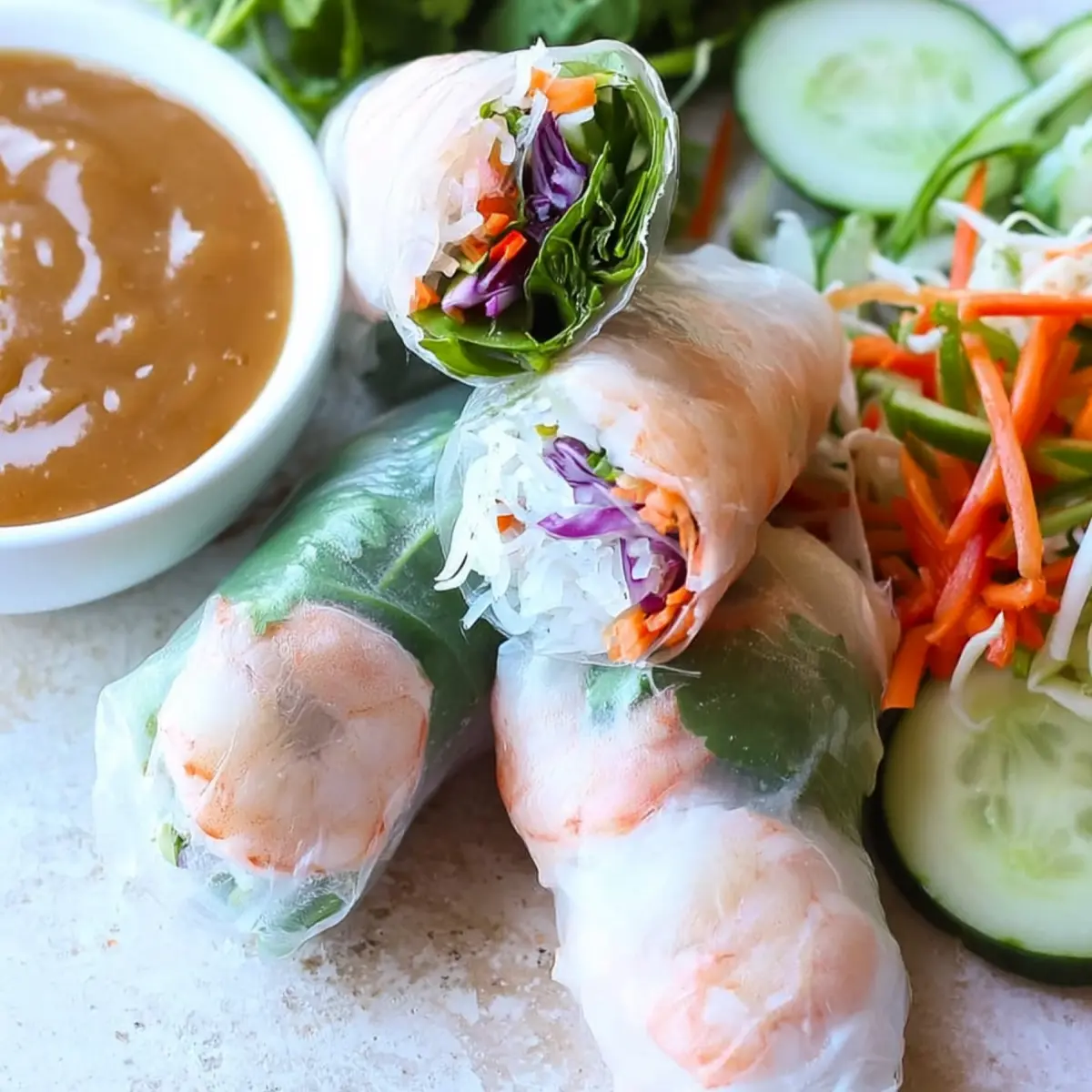
It always starts with that craving for something light, crisp, and impossibly fresh—the kind of food that feels like a reset on a busy, overstuffed day. Vietnamese Fresh Spring Rolls are one of those rare dishes that deliver exactly what you need: a platter of emerald herbs, juicy shrimp, cool noodles, and rainbow crunch, all bundled into silky rice paper. They’re the antidote to heavy takeout, and if you’ve only ever ordered them at a restaurant, you’re in for a treat making them at home.
The first time I tried rolling my own, my kitchen turned into a little spring roll workshop. It felt less like “cooking” and more like assembling edible art, especially with a bright peanut sauce waiting for dunking. Don’t be surprised if you get a bit obsessed—they’re as fun to make as they are to eat.
Why These Vietnamese Fresh Spring Rolls Are Irresistible
If you’re after a dish that feels both vibrant and nourishing, these Vietnamese Fresh Spring Rolls hit that sweet spot. They don’t just taste fresh—they look like a celebration on the plate. You get a cool tangle of noodles, crisp veggies, juicy shrimp, and soothing herbs, all wrapped in delicate rice paper that practically melts in your mouth.
What makes them extra special? They’re totally customizable. Whip them up as a light lunch, bring a tray for a potluck, or serve them as a breezy appetizer at the next get-together. The process is fun and hands-on—a little assembly line, a little creativity, and suddenly you’re sharing food the way it’s meant to be: together around a table, dipping and chatting.
And let’s be honest: that creamy, nutty dipping sauce with a hint of garlic and just enough heat from Sriracha takes these over the top. It’s the kind of recipe you’ll reach for when you want something visually stunning and deceptively light but also seriously satisfying.
The Essential Ingredients for Vietnamese Fresh Spring Rolls
The beauty of Vietnamese Fresh Spring Rolls is in the layering of flavors and textures. Here’s what you’ll need for the core experience:
- Cilantro – A fresh green kick that wakes up each bite and blends perfectly with other herbs.
- Basil (sweet or Thai) – Offers a subtle, spicy bite that’s almost floral; Thai basil amps up the authenticity.
- Boiled shrimp – Sweet, juicy, and tender, these make spring rolls protein-rich and give that classic taste.
- Vermicelli rice noodles – Chewy, glossy noodles that give structure and soak up all those bright flavors.
- Carrots – Add crunch, sweetness, and a pop of color; go for matchsticks for the best snap.
- Cucumber – Clean, refreshing, and cool, cucumber slices add a fresh bite in the middle.
- Cabbage – Brings extra crispness, and that mellow, earthy flavor; perfect for crunching up the texture.
- Rice papers – The key to holding it all together; translucent wrappers that soften just enough when dipped in water.
- Peanut butter – The base for a creamy, nutty dipping sauce—smooth peanut butter makes it velvety.
- Soy sauce or Tamari – Salty and deepens the flavor in the dipping sauce; swap in Tamari for gluten-free lovers.
- Brown sugar, honey, or coconut sugar – Lends a rounded sweetness that balances the savory and spicy elements.
- Rice vinegar or lime juice – Adds acidity and brightness, keeping the sauce lively.
- Garlic – A punch of warmth, subtle but totally essential in the dipping sauce.
- Sriracha sauce – For a customizable spicy hit; add as much as your tastebuds dare.
- Warm water – Helps thin the sauce and soften the rice papers to exactly the right texture.
See the recipe card below for the full list of ingredients and measurements.
Making Vietnamese Fresh Spring Rolls Step by Step
Building Vietnamese Fresh Spring Rolls at home is kind of like a kitchen craft project—tidy up your workspace, prep your fillings, and get rolling. Here’s how to tackle it:
- Start by prepping a large, shallow dish with warm water. This is where you’ll dip each rice paper to soften it. The trick is to get the paper just flexible—not soggy—so shoot for a quick dunk, just a few seconds. It’ll feel a little firm out of the water but will soften on your board as you work.
- Once the rice paper is ready, lay it flat on a plastic or non-stick cutting board. If you use wood, the paper can stick, so grab a surface that won’t make your life complicated.
- Layer your fillings in the center: start with a little cilantro and basil for a burst of green. Then add a few shrimp, followed by a generous tangle of rice noodles. Tuck in some cucumber strips, a handful of carrots, and some cabbage for color and crunch. The fill should be compact—not overloaded—so you can roll without anything bursting through the rice paper.
- Begin rolling by folding the bottom of the rice paper (the edge closest to you) up and over the toppings. Bring in the right side, then the left, so it looks like an open envelope. Keep the roll snug but not stretched tight—you want everything contained, not compacted.
- Keep rolling the bundle away from you, burrito-style, until sealed. The rice paper should cling to itself and create a smooth, slightly sticky exterior.
- Repeat the process, refilling and rolling until you’ve worked through your ingredients. If you’re working solo or with helpers, line up finished rolls on a tray and cover them with a damp (not wet) towel to keep them from drying out.
- For the peanut dipping sauce: whisk together smooth peanut butter, soy sauce (or Tamari), a sweetener of your choice, rice vinegar (or lime), crushed garlic, and a dash of Sriracha for heat. Add warm water a little at a time, whisking, until the sauce is thin enough to dip but still clings beautifully to each roll.
Simple Tips for Rolling and Serving
Let’s be honest: the first roll or two might look a bit “rustic”—totally normal! The magic is in the practice, and soon you’ll get those taut, tidy rolls you see at your favorite Vietnamese spot.
If the rice paper is too sticky, try working a little faster so it doesn’t over-soften in the water. It should still be flexible but not floppy when you start adding fillings. If it tears as you roll, just use slightly less filling or keep the layers thinner.
Avoid overfilling! It’s tempting to cram in every color from your chopping board, but less is more—too much, and you’ll struggle to roll or seal.
Keep your workspace organized. Group your veggies, herbs, and proteins on a tray so you can grab and go, assembly-line style.
Got guests? Set out all the fillings and let everyone assemble their own Vietnamese Fresh Spring Rolls. It instantly becomes a hands-on appetizer or a fun interactive dinner.
To keep them moist and stretchy, cover finished rolls with a slightly damp cloth if they need to sit for a bit. Don’t refrigerate them for too long or the rice paper can dry out and get tough.
Creative Variations and Serving Ideas
Vietnamese Fresh Spring Rolls are endlessly adaptable. If shrimp isn’t your thing, try poached chicken, tofu for a vegetarian upgrade, or even grilled beef for something heartier. Skip the protein for a lighter vegan roll and double up on crunchy fillings and herbs.
When it comes to veggies, play around! Bell peppers, baby spinach, julienned mango, or even thin slices of avocado can all slot in without fuss. Thai basil gives an extra anise kick, but regular basil works just fine—mix and match based on what’s in your fridge.
Pair your rolls with ice-cold green tea or a tart limeade, or serve them as a starter alongside a big bowl of pho for the ultimate Vietnamese comfort meal.
If you want to make ahead, prep all your fillings a few hours early and assemble the rolls an hour or so before serving. Cover tightly with damp paper towels and plastic wrap to keep the rice paper soft and stretchable.
Hosting a party? Make a variety—some spicy, some sweet, some with unexpected fillings like roasted peanuts or pickled daikon. Set out bowls of the peanut dipping sauce, plus a nuoc cham (Vietnamese fish sauce with garlic and lime) for anyone who wants to double-dip.
FAQs about Vietnamese Fresh Spring Rolls
Can I make Vietnamese Fresh Spring Rolls ahead of time?
You can assemble the rolls up to a few hours before serving, just make sure to keep them covered with a damp towel and tightly wrapped to prevent drying. They’re best enjoyed the same day for maximum freshness and that signature soft, delicate texture.
What should I do if the rice paper tears while rolling?
If your rice paper tears, it’s usually from overfilling or letting it soak too long. Use less filling and make sure the rice paper is just pliable, not soggy. You can also double up the wrapper for extra insurance—just be aware the roll will be a bit thicker.
How do I store leftover Vietnamese Fresh Spring Rolls?
Store leftovers wrapped in damp paper towels, then in an airtight container in the fridge. Eat them within 24 hours; after that, the rice paper might toughen and the veggies lose their crunch.
Can I freeze these spring rolls for later?
Freezing isn’t really recommended for Vietnamese Fresh Spring Rolls, as the rice paper becomes rubbery and the fillings lose their crispness when thawed. They’re one of those recipes that shine brightest fresh from your kitchen.
With their colorful crunch and bursts of flavor, Vietnamese Fresh Spring Rolls are one of those dishes that never get old. Whether you’re craving a lighter meal or planning a gathering, they’re guaranteed to brighten any table—especially with that dreamy peanut dipping sauce on the side. Try rolling up a batch, gather some friends or family, and let everyone dive in for a supremely satisfying bite.
More Relevant Recipes
- Chickpea Feta Avocado Salad: This vibrant salad shares fresh ingredients and a light feel, perfect alongside your spring rolls.
- Honey Sesame Chicken: A delicious protein option that can complement the freshness of your spring rolls.
- Spicy Buffalo Chicken Sliders: These sliders provide a fun flavor contrast while still being easy to assemble and share with friends.

Vietnamese Fresh Spring Rolls Recipe
Ingredients
Equipment
Method
- Fill a large shallow pan or dish with 1-2 inches of warm water. You'll want the dish to be large enough to fit a piece of rice paper into it with a little wiggle room around the sides.
- Dip one piece of rice paper into the warm water and let soak for 5 seconds. And not a second longer! The paper will still feel a bit firm when you pull it out but it will continue to soften while you add your filling ingredients.
- Remove the paper from the water and place it on a plastic cutting board.
- Add a tablespoon of cilantro, a few basil leaves, 2-3 shrimp, ¼ cup vermicelli noodles, 2-3 strips of cucumber, 1-2 Tbsp. carrots, and 1-2 tbsp. shredded cabbage to the middle of the rice paper. Place just enough of these ingredients into the roll without overfilling it. If you have too many ingredients you'll have a difficult time rolling it up.
- Fold over the bottom edge of the rice paper that is closest to you to cover up the ingredients.
- Fold the right side of the paper over. And then fold the left side over. It should look like an opened envelope at this point. This is a little easier if you hold the paper with both hands. If it crinkles up a little bit, it's totally okay! Just keep going.
- Roll the rice paper and ingredients like a burrito beginning from the side that is closest to you until it makes a tight spring roll. Repeat with the remaining filling ingredients and rice paper until you have 12 spring rolls.
- Add all ingredients, except for the water, to a medium-sized bowl.
- Whisk until well smooth and well combined.
- Slowly add in warm water 1 tablespoon at a time to help thin it out. 3-6 tablespoons of water should get it to be a good dipping consistency.