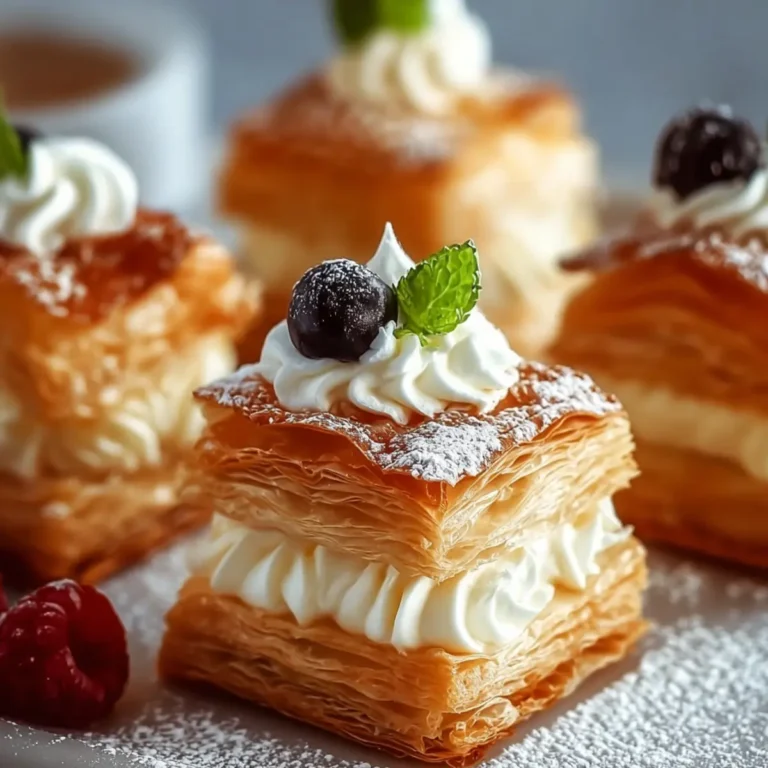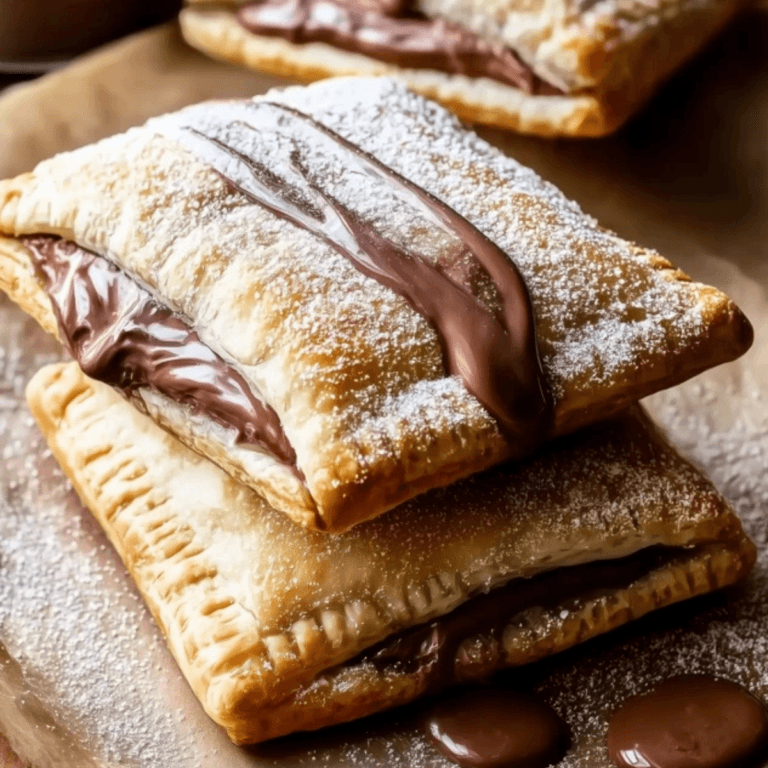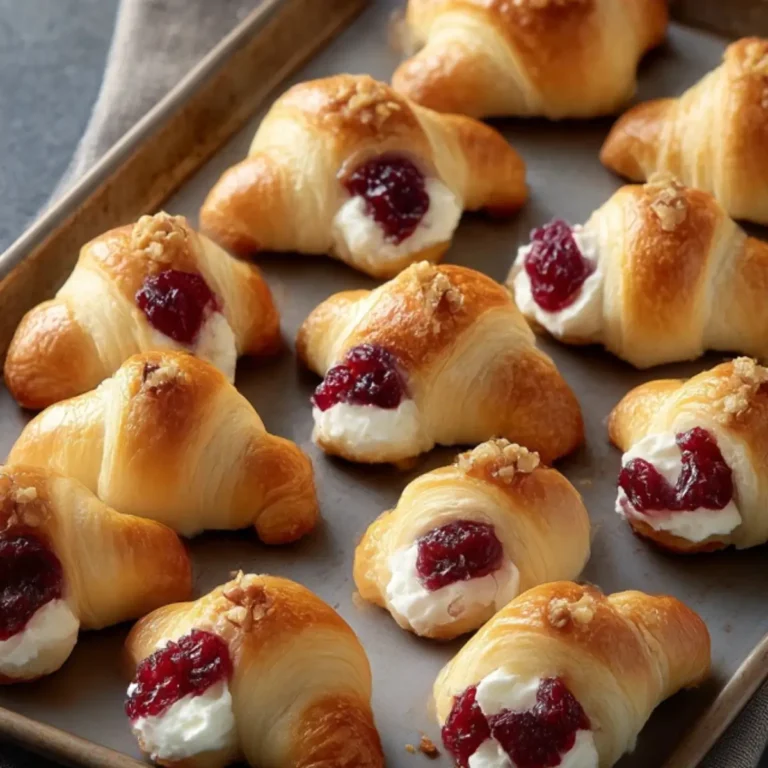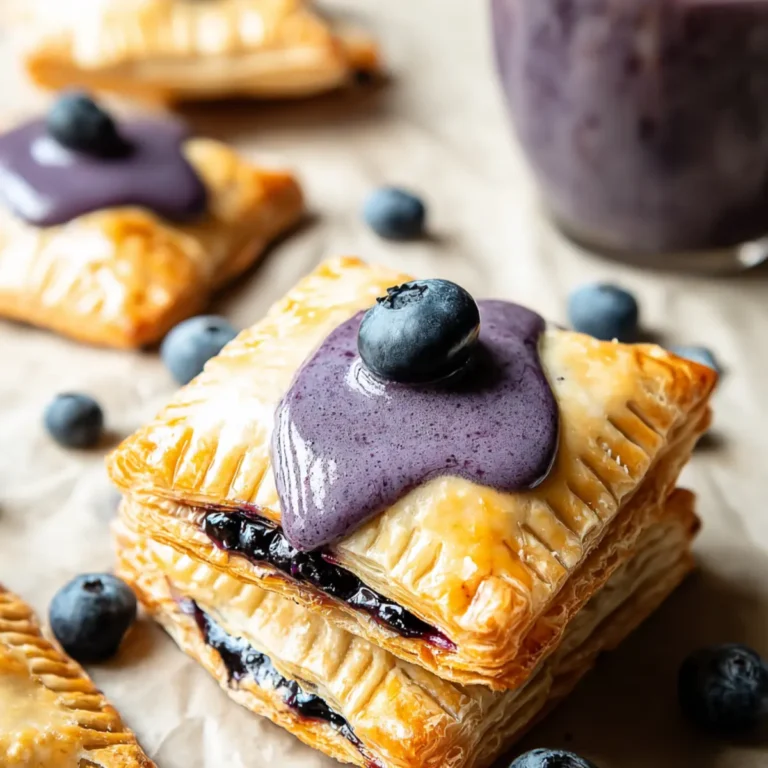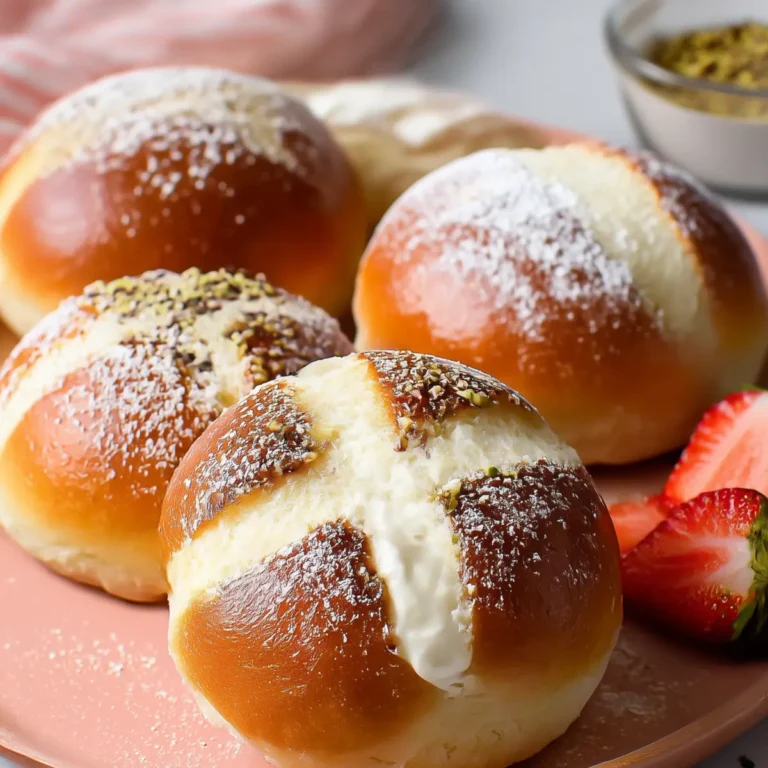
If you’ve ever wished you could snag that irresistible bakery aroma and somehow bottle it up, pasticciotto is pretty much the edible version. I first stumbled into them on a sleepy morning in Lecce, where locals lingered at narrow counters with espresso and still-warm pastries. The outsides were golden and crumbly, the insides luxuriously soft and creamy, with just the slightest tug from citrus and vanilla.
What I love most? Pasticciotto feels decadent but isn’t fussy or intimidating—just old-school Italian warmth with a shortcrust you can actually get right at home. The custard is silky, the shell is crisp, and if you’re anything like me, you’ll find yourself grabbing a fork before they’ve even cooled.
Why You’ll Love This Pasticciotto Recipe
Sunshine in pastry form—that’s what a true pasticciotto feels like. These little bundles bring the classic flavors of southern Italy straight to you, with absolutely no need for a fancy pastry degree or imported gadgets. The rich, creamy heart of homemade custard is hugged by a crisp, melt-in-your-mouth shell. Baking them fills your whole kitchen with the scent of warm butter, vanilla, and lemon zest.
They’re impossibly satisfying for breakfast with coffee, as a dinner party surprise, or even for those days when you need a quick dose of Italian nostalgia. The technique is approachable but gives you that artisanal payoff, where each bite is somehow comforting and a little luxurious. Whether it’s your first time making Italian pastries or you’re chasing that Salento bakery vibe, pasticciotto delivers.
The Essential Ingredients Behind Perfect Pasticciotto
- flour: Sets the structure for that tender, crumbly shortcrust pastry base.
- Granulated sugar: Sweetens both the dough and the filling, while keeping everything light.
- Unsalted butter: Brings unbeatable richness and that delicate, meltaway finish.
- Eggs (whole and yolks): Help bind the pastry and create the smooth, golden custard interior.
- Salt: Just a pinch, to make all the other flavors pop.
- Lemon zest: Optional but brightens the whole pastry, adding a little zing to the sweet.
- Cornstarch & a bit of extra flour: Used in the custard to thicken it without heaviness.
- Whole milk: Essential for that luscious, creamy pasticciera filling.
- Vanilla bean or lemon zest (for the custard): Adds aromatic depth; use what you love or have.
- Milk and yolk for brushing: The secret to that bakery-level shiny, burnished crust.
- Powdered sugar: Optional, for a final snowy touch right before serving.
See the recipe card below for the full list of ingredients and measurements.
Creative Ingredient Twists and Substitutes for Pasticciotto
Don’t be afraid to riff on pasticciotto if your pantry is running low or you want to match a dietary need. All-purpose flour works beautifully instead of “00” if that’s what you have. Swap lemon zest for orange for a new citrus edge or stick with pure vanilla for a classic custard profile.
You can use plant-based butter for a dairy-free version, and almond or oat milk holds up surprisingly well in the cream. Gluten-free flour blends can work in the shortcrust, though expect a slightly different crumb. Want even more variation? Slide a bit of fruit jam beneath the cream or use chocolate chips for a dessert twist.
Mastering the Method: Step-by-Step Guide to Homemade Pasticciotto
- Start with that luscious pastry cream. Gently heat your milk with vanilla or citrus zest until it’s just about to simmer—right when the scent floats up, take it off the heat.
- Meanwhile, beat the egg yolks with sugar until creamy, then whisk in both the flour and cornstarch. You’re aiming for a ribbon-like texture without lumps.
- Stream the hot milk into the egg mixture slowly so everything stays silky—not scrambled. Keep stirring; you want it smooth.
- Return the cream to the saucepan over low heat, whisking until it thickens and smells deeply sweet and rich. Once it’s thick but pourable, transfer to a bowl and cover directly with plastic so no skin forms. Chill until set.
- For the shortcrust pastry, mound your flour on a board and make a well. Drop in sugar, zest (if you’re using), salt, and the eggs, then scatter the cold butter over. Use your fingertips: work quickly, pinching and smearing until it just holds together.
- Shape the dough into a rectangle, wrap, and chill. Letting the dough rest helps it become easy to roll and shape, and keeps that signature tender bite.
- When both pastry and cream are cold, roll out your dough until it’s even and thin but sturdy. Line your oiled molds, pressing so every curve is filled—the goal is no gaps or leaks.
- Spoon in the chilled pastry cream, leaving space at the top. Go easy—overfilling makes sealing and baking trickier.
- Roll out more pastry and cover the custard fully. Trim the edges, then pinch them shut with your fingers so the cream won’t escape in the oven.
- Whisk egg yolk with a splash of milk, then brush over the tops. This little step gets you that glossy, golden finish.
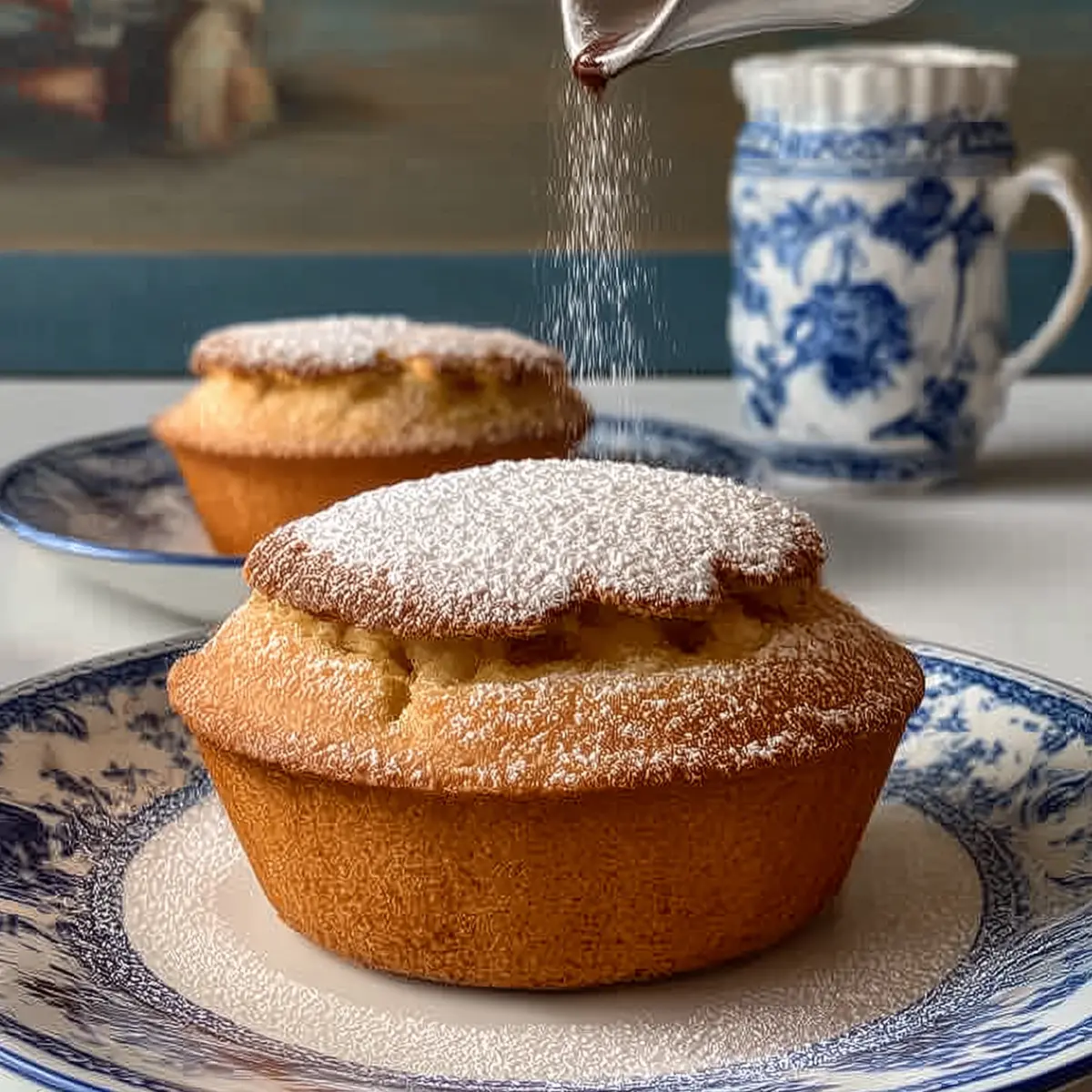
- Slide the molds onto the center rack of a hot oven. They’ll bake up crisp, golden, and heady with sweet aromas. Cool slightly, release from the molds, and dust with powdered sugar before serving, if you like that extra touch.
Insider Tips for the Best Pasticciotto
Keep your butter cold when mixing the shortcrust—this helps the pastry stay light and flaky. If you can chill the assembled pasticciotto for a few minutes before baking, they’ll hold their shape even better.
When filling the pastries, don’t overfill with cream. Stopping just shy of the rim gives you enough space to seal everything up tightly and prevents leaks. If you find your dough too soft to handle, a little extra chill time in the fridge works wonders.
For a clean finish, use a sharp knife or small offset spatula to trim the edges neatly once they’re sealed. And always allow to cool just a bit after baking—the aroma will tempt you, but the cream is blissful just warm.
These pastries taste best the day they’re baked, but you can prep the dough and cream a day in advance. Store leftovers in an airtight container at room temperature or the fridge, and bring them back to life for a minute in a hot oven.
Pairings, Variations, and More Ways to Love Pasticciotto
Serve pasticciotto straight up with strong espresso for that classic Italian breakfast moment, or pair with a simple strawberry or apricot jam for a brunch twist. They’re also perfect beside a bowl of fresh berries or a scoop of vanilla gelato if you want to go full dessert.
Want to shake up the filling? Try chocolate pastry cream, pistachio, or even a dab of sweet ricotta for a different vibe—these all work beautifully inside the same shortcrust shell. Citrus lovers can use orange zest, or tuck a whole sour cherry inside before sealing.
If you’re prepping for a gathering, make the dough and cream the day before and assemble right before baking. Baked pasticciotti freeze well, too—thaw gently at room temp and refresh in a warm oven for a “just baked” experience.
FAQs about Pasticciotto
Are pasticciotti best eaten warm or at room temperature?
You’ll get the classic creamy contrast if you eat pasticciotto just barely warm or fully cooled. Both ways are delicious, but the filling thickens and the flavor deepens as they cool.
How do you stop the custard from leaking out of the pastry?
The best trick is to leave enough space between the custard and the edge of the pastry before sealing. Don’t overfill and be sure to pinch or gently press the edges closed for a tight seal.
Can I make pasticciotto ahead of time?
Absolutely, you can make both the dough and the custard a day in advance. Assemble and bake just before serving for the crispiest texture, or store in an airtight container if you need to bake ahead.
What’s a traditional filling for pasticciotto?
Classic pasticciotto always features a rich vanilla crema pasticciera. Variations include chocolate custard, fruit jams, or even ricotta—each region in Italy adds its own spin now and then.
Bringing It All Together
There’s something genuinely special about biting into a homemade pasticciotto: crisp, fragrant pastry outside, creamy custard surprise inside. It doesn’t take advanced skills or specialty tools—just good ingredients, a little patience, and that tiny moment of baker’s pride when they emerge golden from the oven.
Next time you want to bring a little southern Italian magic into your kitchen, reach for this pasticciotto recipe. You’ll find each batch easier, and soon enough, a batch will disappear while they’re still warm from the pan.
More Relevant Recipes
- St. Joseph’s Pastries: These pastries feature a rich filling and a similar indulgent experience, drawing on Italian traditions.
- Irish Cream Poke Cake: This cake combines creaminess and sweetness, perfect for fans of luscious dessert textures.
- Irish Soda Bread with Cranberries and Raisins: A sweet bread option that pairs well with the creamy pasticciotto for a delightful dessert spread.

Pasticciotto Recipe
Ingredients
Method
- Heat the milk in a saucepan with the vanilla or lemon zest, as desired. Bring to a near boil.
- While the milk is heating, in another saucepan, beat the egg yolks with the sugar and mix well.
- Then add the two sifted flours and mix.
- Slowly pour the hot milk into the egg-sugar-flour mixture, stirring constantly.
- Place the saucepan over low heat. Whisk until the cream thickens (this will take about 3-4 minutes).
- Pour the pastry cream into a bowl. Cover with plastic wrap (in contact with the cream) and allow to cool completely in the refrigerator (at least 30 minutes).
- Put the flour on a pastry board and make a hole in the middle. Pour in the sugar, lemon zest (optional), salt and room temperature eggs in this order.
- Add the cold butter cut into small pieces. Knead the ingredients quickly for the shortest time possible, so as not to overheat the dough, until the mixture is compact and elastic.
- Form a loaf and wrap in plastic wrap. Let it rest in the refrigerator for at least 30 minutes.
- Remove the pasta frolla from the refrigerator. Place it on a marbled pastry board dusted with a little flour. Roll it out with a rolling pin until it's about 5 mm (1/5 inch) thick.
- Take the oval molds and lightly oil them. Line each mold with shortcrust pastry. Use your fingers to shape the pastry so that it covers the inside of the mold well. Discard any excess dough that sticks out.
- Place 2 or 3 teaspoons of crema pasticcera in each mold so that the cream is just below the rim.
- Take another piece of rolled-out pastry and fully cover the cream.
- Press the dough to the edges to seal the pastry. Again, remove excess dough from the edge of the mold.
- Now beat an egg yolk with 3 tablespoons of milk and brush the surface of the pasticciotti. This will serve to form the shiny and golden top.
- Bake the pasticciotti in a preheated oven at 180°C (356°F) for 30-35 minutes.
- When the pasticciotti are golden brown, remove them from the oven and let them cool at room temperature for a few minutes.
- Finally sprinkle with icing sugar and serve.