If you’ve ever spent a late March afternoon wandering through an Italian bakery or kitchen, you know the scent: a little warm, golden, and heavy with the promise of something sweet and creamy. St.Joseph’s Pastries—Zeppole di San Giuseppe, if you want to get properly Italian about it—are the sort of dessert that marks a moment. Italians make them each year for St. Joseph’s Day, but honestly, their spell lingers well beyond any feast day. One bite and you join a centuries-old ritual: split, fill, and dust, always with good company nearby.
It’s nearly impossible not to feel a flicker of excitement piping out that dough, waiting for it to puff up in the oven, or spooning clouds of vanilla-laced pastry cream—still a bit warm—onto golden rounds. The amarena cherries on top are the cherry on top (couldn’t resist), bringing a toothsome, almost winey pop to each bite. I first made these for my godfather’s name day, got powdered sugar everywhere, and even though the kitchen looked haunted by a floury poltergeist, everyone raved. So, expect stories to unfold as you make these. That’s the real magic of St.Joseph’s Pastries—yes, they’re a treat, but they’re also a celebration, one you can hold in your hand.
When St.Joseph’s Pastries Bring the Feeling of Festivity
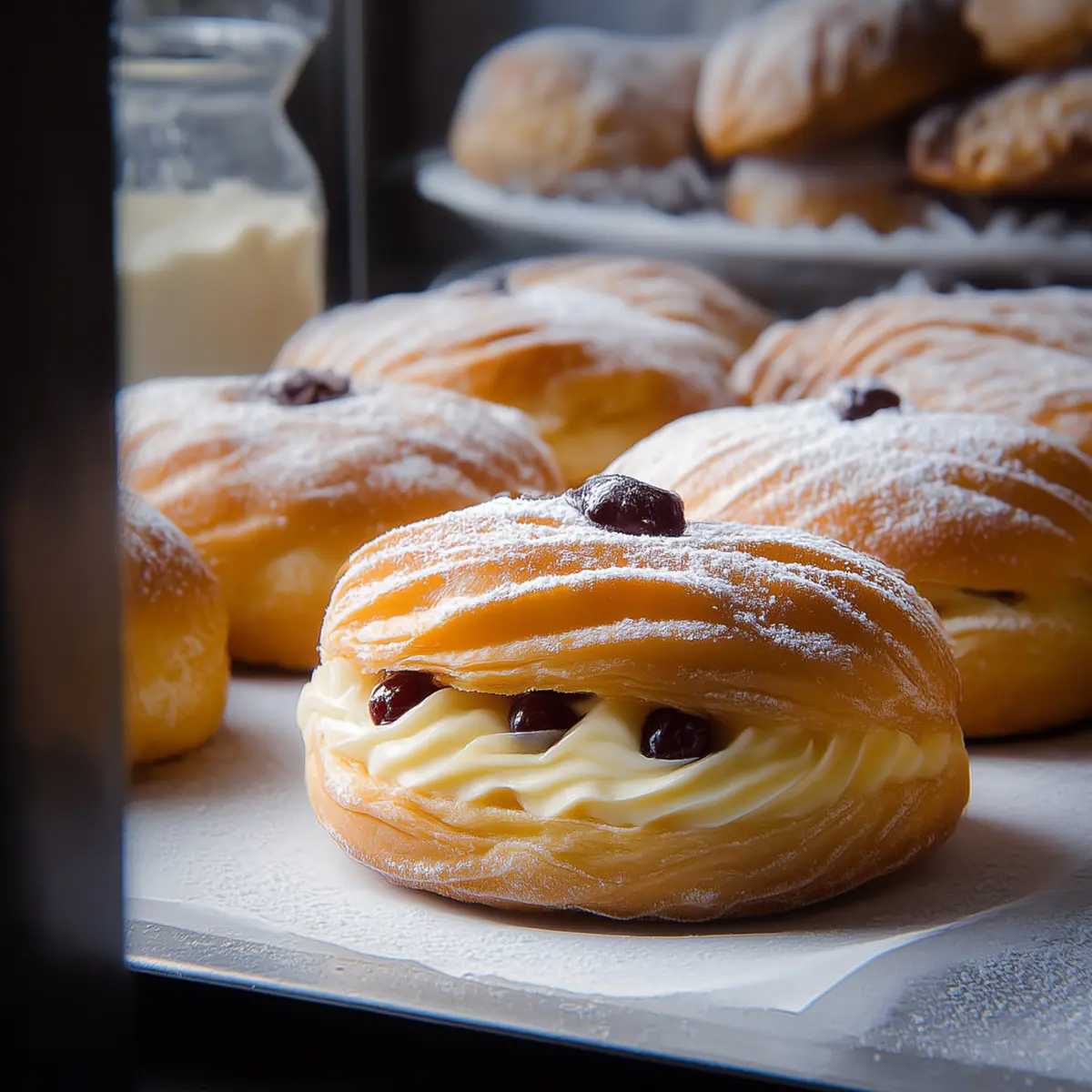
It’s almost theatrical—the moment a tray of St.Joseph’s Pastries emerges, their rounds golden and gently split, each one inviting a dusting of powdered sugar. These pastries turn any gathering into a celebration, whether you’re marking St. Joseph’s Day or just looking for an excuse to linger a little longer at the table. The process itself—making the dough, swirling the cream, setting that glossy cherry on top—has a way of slowing down time and pulling everyone in. Most of all, these pastries deliver a real sense of occasion: the subtle crackle of the shell, the sweet perfume of vanilla, the creamy center hiding inside.
If you’re like me, you’ll find there’s something almost meditative in making them, especially when the kitchen is filled with family chatter or the sound of the mixer whirring. These are much more than just sweets—they’re edible celebrations, and every year, they make me feel like I’m bringing a taste of southern Italy right into my own kitchen.
The Ingredients That Make St.Joseph’s Pastries Wonderful
Let’s talk about what gives these pastries their distinctive flavor and soul. Each ingredient does its part—some bold, others subtle, all irreplaceable in their own way.
- flour – forms the base of the choux pastry, giving the shells their signature airy puff.
- Butter – brings luxurious richness and that unmistakable golden flavor, especially in the dough and cream.
- Eggs – the secret to that incredible rise and supple texture, binding everything in the choux and the custard.
- Salt – adds depth, tempering the sweetness and making all the other flavors sing.
- Whole milk – the cream’s foundation, lending a velvety mouthfeel and subtle dairy notes to the filling.
- Egg yolks – pile these into the cream for that lush, intense custard color and taste.
- Sugar – sweetens the cream, gives structure, and balances every bite.
- Corn starch – thickens the pastry cream to hold its beautiful, glossy peaks inside each pastry.
- Vanilla pod (or vanilla extract) – the aromatic heart of the filling, warming up the whole kitchen with every stir.
- Powdered sugar – a snowy finish, delicate and sweet, dusted right before serving.
- Amarena cherries – tart, dark, and syrup-soaked; their burst of fruit rounds out the buttery, creamy, and sweet notes perfectly.
- Large star tip and canvas pastry bag – these aren’t ingredients you eat, but they’re what give zeppole their classic shape and those elegant, scalloped edges.
See the recipe card below for the full list of ingredients and measurements.
Building Lightness and Richness, Step by Step
Making St.Joseph’s Pastries is about getting the contrast just right—crisp shell, soft cream, tangy cherry, all in one bite. The process does ask for your attention, but not in a stressful way; more like the kind of focus you give a trusted recipe on a chilly afternoon.
First, start with the choux pastry dough. You’ll need to bring water, butter, and a pinch of salt to a simmer until the butter’s fully melted and the scent starts wafting up. Once it’s at a gentle boil, take the heat down low and drop in your flour all at once. Grab a wooden spoon and work the flour in with firm strokes—it’ll come together quickly in a glossy, heavy ball that pulls away from the pot. This part always reminds me of old Italian kitchens: just you, the spoon, and the steam.
Transfer this ball of dough into your mixer and beat for a few minutes—enough to let it cool a bit so you don’t scramble the eggs. When the dough is warm but not hot, slowly incorporate beaten eggs, letting each addition disappear before the next. By the end, you’re left with a satiny, pipeable dough that holds its shape but still moves easily through your bag.
Prepping your zeppole can go two ways: baked or fried. For baked, pipe them into rings onto parchment-lined trays, leaving space for puffing. Slide them into a hot oven, bake strong for a bit, then ease back the heat and—crucial—don’t open that oven door too early, or you risk collapse. Just before they’re done, crack the oven open a touch to chase out the steam and firm up the outsides.
If you go the frying route, pipe the rings onto little squares of parchment brushed with oil. Slip these into shimmering hot oil (take a breath here, it always sputters), and the paper will peel away once the dough is set. Remove, drain, and let them cool—they should smell faintly sweet, almost eggy, and go golden in patches.
How to Craft That Classic Finish
At the heart of every good St.Joseph’s Pastry is the pastry cream—silky, dreamy, and bright. Start by whisking egg yolks and sugar until they’re pale and thick, then beat in your corn starch to a smooth blend. In a separate pot, bring the milk almost to a boil with that split vanilla pod (or extract). This fills the room with a warmth that feels like home baking at its best.
Now, stream the hot milk into your yolk mixture gradually, whisking all the while. Everything goes back in the pot for a careful cook, just until it thickens and the spoon lifts with resistance—don’t rush, and don’t stop whisking. The second the cream comes together, whip off the heat and give it a good beat until glossiness returns. If you want your cream ultra-luxurious, add a knob of butter while it’s still a little warm.
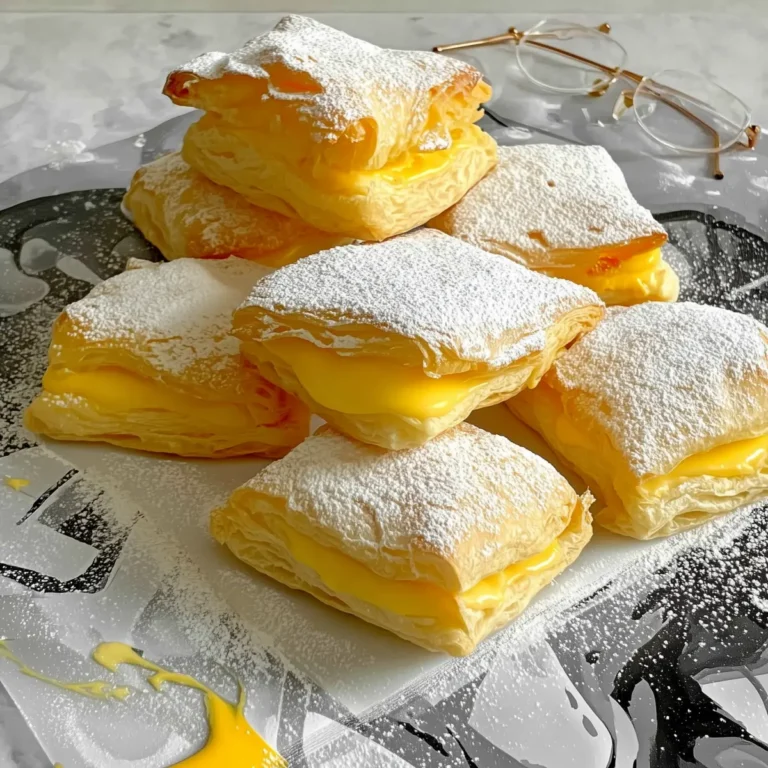
For assembling, wait until the zeppole are totally cool. Cut each one in half, and pipe a crown of pastry cream onto the bottom, fit the tops back on, then pipe a swirl of cream on each. Top with an amarena cherry pressed gently into the cream, and add a generous dusting of powdered sugar right before serving. You’ll end up with pastries that look positively regal—each bite as lovely as the last.
The Pleasure of the First Bite: The Texture Story
Break open a St.Joseph’s Pastry and the promise is immediate: the shell yields with a gentle snap, and right away you meet that smooth, luscious pastry cream. The bite is all about opposites—crisp giving way to creamy, sweet mingling with faintly salty, and a subtle floral vanilla perfume meeting tangy cherry.
Let’s not forget the visual drama. That snowy sugar on top, swirling yellow cream under a dark cherry—these pastries are almost too pretty to eat. Almost. It’s that first mouthful, though, when the lightness of the shell and the silky cream hit together, that really brings everyone around the table to a hush. If you get a bit of cherry in every bite, you did it just right. There’s something comforting but quietly decadent about it—a treat that refuses to be rushed.
Fine-Tuning Your St.Joseph’s Pastries
Making these pastries isn’t difficult, but they reward a bit of attention to detail. Here’s how to get the most from your bake (or fry):
– Chill the pastry cream fast: Pour it into a shallow dish and stir every few minutes so it cools quickly, keeping the texture super smooth. Placing the dish in the freezer for a bit before you pour in the cream speeds things up.
– Oven door discipline: For baked zeppole, keep that door tightly closed for the first stretch—otherwise all your puff will escape. Then, towards the end, crack it a bit to dry out the shells.
– Don’t overfill: It’s tempting to go wild with the cream, but too much can make the pastries soggy. Think generous but tidy.
– Fried or baked? Both are authentic (don’t let anyone tell you otherwise). Fried are a bit richer, golden, and almost doughnut-like. Baked come out lighter, a touch more subtle—ideal if you’re serving after a big meal.
– Swaps and twists: Out of amarena cherries? A thick cherry preserve or even a sour cherry from a good jar will work. You can flavor the pastry cream with lemon zest or a splash of orange liqueur for a change of pace.
– Storing: These are best the day they’re made, but if you must keep them, store the shells airtight and fill only when you’re close to serving. Filled pastries can chill a few hours but will soften over time.
Serving and Sharing St.Joseph’s Pastries
St.Joseph’s Pastries aren’t just meant for quiet afternoons—they deserve an audience! Present them on a big platter, maybe with a light dusting of extra powdered sugar right before they hit the table. They pair famously with espresso or a bittersweet coffee, though I’ve been known to enjoy one with a crisp glass of dessert wine late in the evening.
If you want to give them a little extra—try drizzling the pastries with a thin syrup made from cherry juice, or serve with a scoop of vanilla gelato on the side. In my house, they’re lined up for breakfast the next day (if there are any left), split in half, and served with strong coffee for a taste of celebration at sunrise. However you serve them, let everyone see that glossy cherry—half the pleasure is in the anticipation.
FAQs about St.Joseph’s Pastries
Can I make St.Joseph’s Pastries ahead of time?
Yes, especially if you plan well. You can bake or fry the shells in advance and store them in an airtight container for a day or so. Wait to fill them until just before serving to keep the texture at its best—otherwise, the cream will soften the pastry.
Can I freeze the unfilled zeppole shells?
Unfilled shells freeze surprisingly well. Store them in a zip-top bag after cooling completely, then thaw at room temperature and crisp in a low oven for a few minutes before filling. Avoid freezing the cream-filled pastries, as the texture of the cream suffers.
What’s the best substitute for amarena cherries if I can’t find them?
You can use sour cherries from a jar or even a thick cherry jam if amarena cherries are unavailable. Try to pick something with some tartness to balance the sweetness of the cream and shell.
How should I store leftover St.Joseph’s Pastries?
Once they’re filled and dusted, store leftovers in the fridge. The shells will soften a bit, but the flavor remains wonderful. Enjoy them within a day for the best taste and texture.
There’s simply nothing quite like settling in for a moment with a homemade St.Joseph’s Pastry. From the golden puff of the shells to that cold, rich cream and the deep, fruity tang of cherries on top, these pastries have a kind of festive soul—a bit messy, a lot joyous, always unforgettable. Whether you’re baking for a crowd or just because your kitchen needs a little taste of tradition, let yourself lean into the sweetness and the ritual. A warm light pouring through the window, coffee brewing, powdered sugar floating in the air—somehow, everything feels just right.
More Tasty Ideas
- Lemon Truffles: These delightful truffles bring a burst of citrus flavor, making them a refreshing contrast to the rich St.Joseph’s Pastries.
- Cherry Cobbler Muffins: The cherries in these muffins echo the amarena cherries on top of St.Joseph’s Pastries, tying the flavors together beautifully.
- Butter Pecan Ice Cream: This creamy dessert adds a rich dimension that complements the lightness of the pastries perfectly.

St.Joseph's Pastries - Zeppole di San Giuseppe
Ingredients
Equipment
Method
- In a medium stove-top pot add water, butter, and salt. Bring to a boil. Reduce the heat to low and add flour all at once. Using a wooden spoon mix energetically until the dough comes together in a smooth ball. Continue mixing and cooking on low heat for a few minutes.
- Transfer the dough into a mixer bowl.Using a dough hook beat it for a few minutes to let the dough cool.Once the dough is warm (it doesn't have to be cold, just cool enough so the eggs won't cook with the heat) start adding beaten eggs, little at a time. Add the next portion of egg mixture ONLY once the previous one has been completely incorporated.
- Transfer the dough to a pastry bag with a large star-shaped tip and start piping zeppole. There's a slight difference in how to do it depending if you're going to deep fry or bake them in the oven, all explained below.
- Preheat oven to 356F/ 180C (fan off).
- Line the baking sheet with parchment paper.Pipe the dough into 3-inch in diameter circles leaving a small hole in the middle.TOP TIP: Leave enough space between the pastries as they’ll double in size in the oven.
- Start baking in a preheated to 356 F / 180 C oven for 10 minutes. Then reduce temperature to 335F / 170C and bake for another 25-30 minutesDon’t open the oven during the first 25 minutes.During the last 5-10 minutes open the oven door ONLY for an inch and let zeppole bake for another 5-10 minutes. Use a wooden spoon to hold the oven door slightly open. This way any residual humidity will have a chance to evaporate and zeppole won't collapse when out of the oven.
- Preheat vegetable oil suitable for frying to 375F in a deep sautee pan.
- Cut out 3-inch squares of parchment paper, brush one side of the square with vegetable oil.
- Pipe the dough on each square forming a circle.
- Deep squares in hot oil a few at a time. The paper will separate from the fritters in the hot oil. You can remove it using small tongs. Fry zeppole until lightly brown. Discard on paper towel to absorb excess oil.
- Beat egg yolks with sugar. Add corn starch. Beat everything well until you get a smooth and even lump free mix.
- Cut the vanilla pod in half lengthwise, scrape out the seeds and add to the pot with milk. Place a pot with milk on a stove and heat until very hot, but don't bring it to a boil.
- Slowly pour the hot milk in the bowl with egg mix, mixing continuously. Pour the mixture back into the milk pot and set on medium heat.
- Whisk continuously to prevent the formation of lumps and cream sticking to the bottom of the pot. Continue whisking until the cream starts to thicken then remove immediately from the heat and vigorously beat until smooth.
- Transfer pastry cream to a deep dish (preferably placed in the freezer 1-2 hours in advance). Let the cream cool slightly by whisking it continuously, then add butter (optional).
- Level pastry cream with a spatula and cover with a plastic wrap so that it directly touches the cream. This prevents formation of the skin. Place in the fridge until ready to use.
- Once zeppole are cool, cut each in half.
- Fill a pastry bag with pastry cream. Pipe pastry cream on the bottom half, cover with the top and pipe another star or a swirl of pastry cream on the top.
- Decorate with cherries drained from syrup. Dust with powdered sugar before serving.