
Sometimes, even when it’s still chilly outside and you’re impatient for color, a bright bowl of Spring Pistou Soup is just the thing to shake off that winter dreariness. You know the kind of day when everything needs a little lift? This soup is always my answer: vivid green from fresh basil, sweet leeks melting into every spoonful, and silky beans swimming in a fragrant broth. It’s as happy on a cool spring day as it is in the middle of June, bubbling away and filling the kitchen with herby, lemony steam.
Spring Pistou Soup feels fancy enough for a gathering, but the reality is simple: a hearty, vegetable-forward meal layered with soft potatoes, leafy greens, and the silkiest homemade basil pistou topping every bowl. From the first chop to the final swirl of emerald sauce, it just feels cheerful to make and even better to eat.
Spring Pistou Soup: Bright Flavor in Every Bite
Spring Pistou Soup has a way of waking up the table with its vibrant color and herb-packed fragrance. Each spoonful is layered: earthy potatoes, pillowy cannellini beans, sweet leeks, and fragrant celery, all simmered into a silky vegetable broth. What makes it extra special is the creamy, punchy pistou—a blend of basil, garlic, sea salt, and olive oil—swirled in just before serving.This soup’s main draw is how it captures the fresh, green energy of the season but adapts to nearly any kitchen. Whether you’re serving guests for lunch, planning a light dinner, or just want to linger over something truly comforting, Spring Pistou Soup makes every bite taste like something to celebrate. Its aroma alone signals instantly that something good is cooking—herby, bright, and absolutely inviting.
A Peek Inside the Pistou Spring Pantry
Spring Pistou Soup is built on simple, everyday vegetables and herbs, but the flavors develop into something extraordinary. Here’s the lowdown on the ingredients that set the tone:- Olive oil – The golden foundation for sautéing and the star player in the pistou sauce: choose extra-virgin for best flavor.
- Leeks – Soft, sweet, and melt-in-your-mouth, they’re essential for the gentle depth of the soup.
- Celery – Adds freshness and subtle savor in the background.
- Garlic – Sliced in the soup and bashed into the pistou, it weaves flavor throughout.
- Russet potatoes – They break down as they cook, giving body and creaminess.
- Fresh thyme leaves or dried thyme – Brings a classic herbal aroma that plays well with the other greens.
- Herbs de Provence – A French blend that offers floral, woodsy notes; adds dimension in every bite.
- Salt and black pepper – Boost all the veggie flavors so nothing gets lost.
- Dry white wine – Deglazes the pot and adds gentle tanginess to brighten the broth.
- Vegetable broth – The base that ties everything together, making the soup hearty yet light.
- Lemon juice – Optional, but a splash at the end lifts and freshens the soup.
- Cannellini beans – Creamy and delicate, these give the soup real body and keep it satisfying.
- Spinach – Stirred in at the end, it wilts into glossy, tender ribbons.
- Fresh basil leaves – The backbone of the pistou; brings color and life to every bowlful.
See the recipe card below for the full list of ingredients and measurements.
Ingredient Swaps and Helpful Kitchen Tools
If you don’t have leeks, try mild onions instead. If cannellini beans aren’t in your pantry, great northern or butter beans work too. A sturdy pot and a mortar and pestle (or a food processor for the pistou) are handy for bringing everything together with ease.Making Spring Pistou Soup: Step-by-Step
Building layers of flavor is key with Spring Pistou Soup. Here’s how you’ll bring it together:- Heat a large, heavy-bottomed pot over medium heat and add the olive oil once hot. Listen for a gentle sizzle—the oil should shimmer across the surface.
- Add the leeks, celery, garlic, potatoes, thyme, herbs de Provence, salt, and pepper. Sauté, stirring now and then, until the leeks and celery are soft, aromatic, and nearly translucent. The potatoes should feel tender when pressed with a spoon. If the pan dries, add a splash of water to loosen any golden bits.
- Raise the heat slightly. Pour in the white wine and use your spoon to scrape up any flavor from the bottom of the pot. Let the wine simmer and evaporate, leaving behind its fragrant acidity.
- Add the vegetable broth and cannellini beans. Bring everything to a lively simmer, then reduce heat to maintain a gentle bubble. Cook until the potatoes are fork tender and the flavors meld together.
- Thicken the soup by mashing some of the potatoes and beans directly in the pot, or briefly pulse with a hand blender for a creamier finish. Let it bubble for a few more minutes so everything integrates.
- Remove the pot from heat. Fold in the spinach and, if using, lemon juice. Stir until the spinach wilts and the soup takes on that soft green hue.
- Taste and adjust salt or pepper as needed. Lately, I love a bit of extra lemon here for brightness. Serve hot, topped with a generous dollop of homemade pistou.
- For the pistou: Add garlic and sea salt to a mortar. Smash until creamy, then add basil and continue pounding to a dark, lush paste. Drizzle in olive oil gradually, working it in until the pistou is loose and spoonable. Taste and consider a squeeze of lemon.
- If you’re using a food processor, combine garlic, salt, and basil and pulse. While it runs, drizzle in olive oil bit by bit. Stop to scrape the bowl as needed, and keep blending until you reach a sauce-like texture. Taste and season again if you like.
Texture, Troubleshooting, and Tips for Perfect Soup
Getting Spring Pistou Soup just right isn’t tricky, but a few thoughtful touches make all the difference. To nail the balance between chunky and creamy, don’t be afraid to mash or blend a small portion of the potatoes and beans—just enough to thicken, without losing the hearty feel. Gentle heat is your friend throughout: overcooked veggies go mushy, so simmer softly until everything is just tender.Keep an eye on moisture—if it looks too thick, add a splash of water or broth; too thin, mash a bit more or let it reduce another minute. For the pistou, go slow with the olive oil for a silky texture. If it ever tastes flat, a little extra salt or a squeeze of lemon refreshes both the soup and the pistou in an instant.
- Sauté leeks slowly for a sweet, mellow base.
- Only mash part of the soup for creamy richness—leave enough chunks for satisfying texture.
- Always stir in the spinach at the end to keep it vibrant and delicate.
- If your pistou feels too thick, add a touch more olive oil until it’s silky and spoonable.
Variations, Pairings, and How to Serve
Spring Pistou Soup is the ultimate chameleon: it adapts to your mood and what’s in the fridge. Swap in chard or kale for the spinach, or use white beans of any variety. For a more rustic dish, toss in zucchini or green beans near the end of cooking. Top each bowl with extra basil or a sprinkle of grated cheese for a little decadence.Pair the soup with a crusty hunk of French bread or a side salad tossed in lemony vinaigrette. It’s also cozy served as a starter at brunch, or a light meal alongside a simple omelette. For a heartier touch, add toasted pine nuts or a drizzle of extra virgin olive oil just before serving.
How to Store and Make Ahead
Like many soups, Spring Pistou Soup gets even better after a day’s rest in the fridge. Store leftovers in an airtight container for a couple of days. Warm gently on the stove, stirring occasionally so the creamy base doesn’t stick. For the freshest flavor, store the pistou separately and add just before serving; it keeps well for a few days too.If you’re planning ahead, make the soup base in advance and keep the herbs and pistou aside to stir in when reheating. Freezing isn’t ideal for the pistou, since basil discolors, but the soup itself freezes well for short stretches—just leave out the spinach until reheating for best texture.
FAQs about Spring Pistou Soup
Can I make Spring Pistou Soup ahead of time?
Yes, you can prepare the soup base and store it in the fridge for a couple of days. For best results, add the spinach and pistou just before serving so everything tastes freshly made.
What can I use instead of cannellini beans in Spring Pistou Soup?
Great northern beans, butter beans, or navy beans are all good substitutes. Any mild, creamy white bean will work without changing the soup’s character.
How do I keep the pistou bright and fresh?
Store the pistou in a small jar or airtight container in the fridge. Add a thin layer of olive oil on top to help preserve its color and flavor for up to three days.
Is it possible to freeze Spring Pistou Soup?
Yes, you can freeze the soup base once it’s cooled, ideally without the spinach and pistou. Add fresh spinach and pistou after reheating for best taste and texture.
Closing Thoughts: A Bowl of Spring
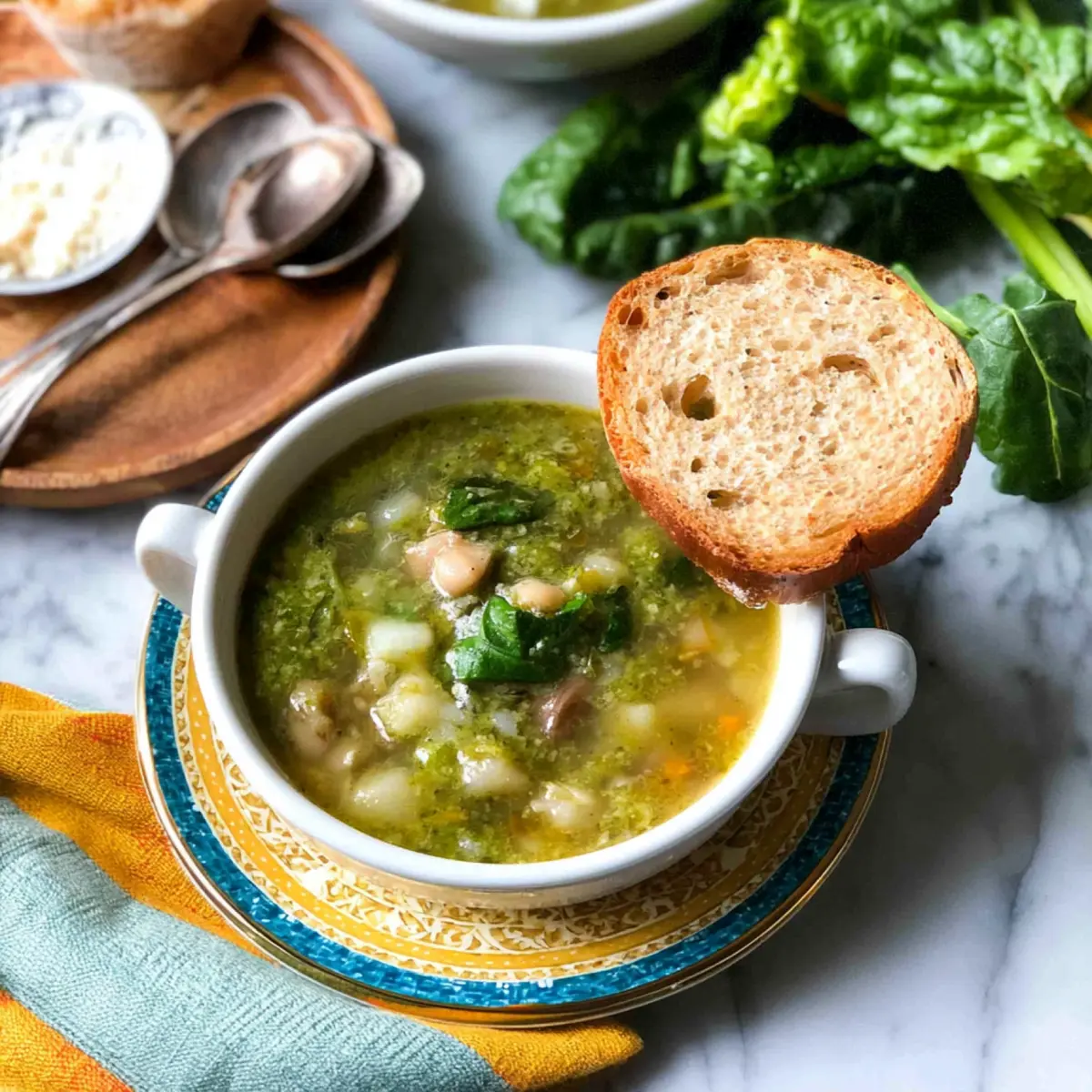
With every bowlful, Spring Pistou Soup brings a burst of the season right to your table—herby aroma, creamy broth, and that punchy basil pistou swirling bright green across the top. It’s a meal that’s as cozy on a rainy weekday as it is celebratory for a sunny lunch outside. The colors, the scent, the velvety beans and potatoes—every detail calls you to slow down and enjoy an honest, nourishing bite.Try These Next
Looking for more ways to enjoy fresh, vibrant flavors? Here are a few tasty ideas to keep your meals exciting.
- Creamy Tomato Soup — shares the comforting soup vibe with a rich tomato base.
- Grilled Chicken Zucchini Rice Bowls — great for spring dinners with fresh veggies and light protein.
- French Toast Sausage Breakfast Sliders — a tasty contrast offering a savory-sweet breakfast twist.
Recommended Equipment

Staub 1102285 Cast Iron Casserole with Enamel Interior
Ideal for simmering Spring Pistou Soup
View on Amazon

* As an Amazon Associate, I earn from qualifying purchases. There is no extra cost to you.

Spring Soupe Au Pistou
Ingredients
Equipment
Method
- Heat a large, heavy-bottomed pot over a medium heat then add the oil when the pot is hot.
- Add the leek, celery, garlic, potato, thyme, herbs de Provence, salt and pepper. Cook about 15 minutes, stirring every so often until the leeks and celery and soft and translucent and the potato tender. If the pot ever starts to feel a little dry, add an extra tablespoon of water.
- Adjust to a medium-high heat. Add the wine. Cook and stir a few minutes to deglaze the bottom of the pan. Cook until the wine has evaporated, about 3-4 minutes.
- Add the vegetable stock and beans. Bring to a simmer over a high heat, then adjust the temperature as needed to maintain the simmer. Cook about 10-12 minutes until the potatoes are fork tender.
- Use the back of a large spoon or a potato masher to mash up some of the potatoes and beans to thicken the soup. Alternatively, you can briefly use a hand blender to blend up the soup as well. Cook another five minutes or so after mashing/blending.
- Turn off the heat. Stir in the spinach and lemon juice (if using) until the spinach wilts into the soup.
- Taste and season as needed. Divide between serving bowls and serve each bowl with a generous dollop of pistou on top and enjoy.
- Add the garlic and salt to a large mortar. Use the pestle to bash the garlic and salt together to make a mostly smooth, creamy consistency.
- Add the basil leaves to the mortar and keep bashing with the pestle to make a dark green, paste-like sauce.
- Gradually add the olive oil as you bash. Keep adding oil and mixing until you reach your desired consistency. Taste and season with salt as you see fit. Add a squeeze of lemon juice if desired.
- Add garlic, salt and basil leaves to the bowl of a food processor. Pulse the mixture a few times to break down the leaves and garlic.
- While the machine is running, drizzle the olive oil into the processor 1 tablespoon at a time. Keep adding the oil to get a sauce-like consistency.
- Taste and season the pistou as you see fit. Add an extra pinch of salt or maybe a squeeze of lemon juice.