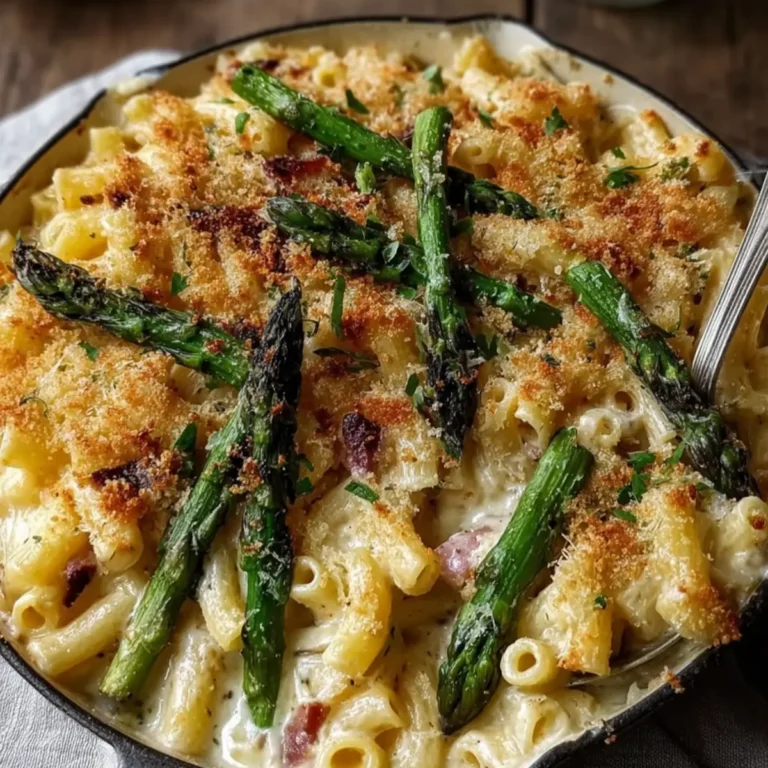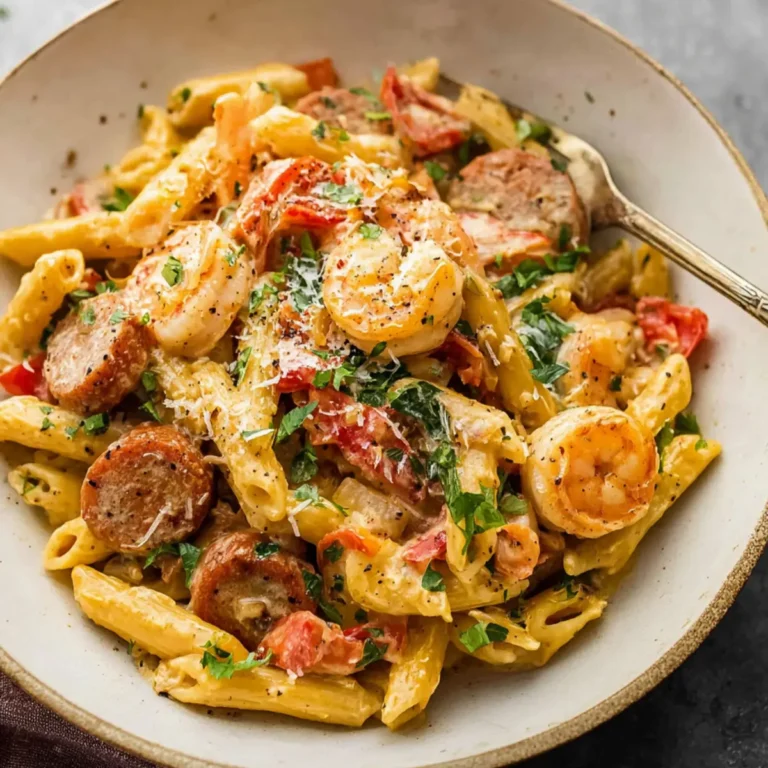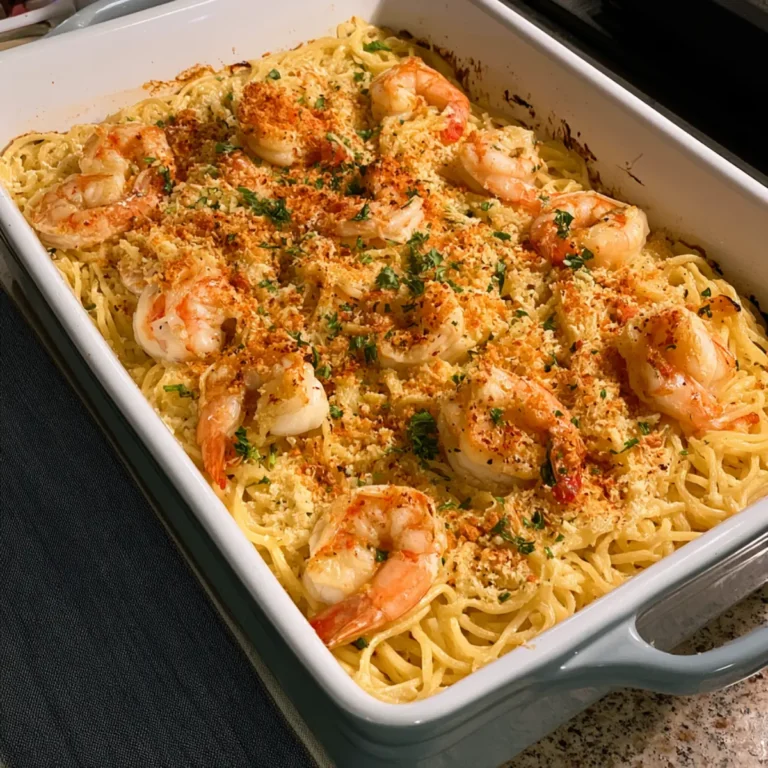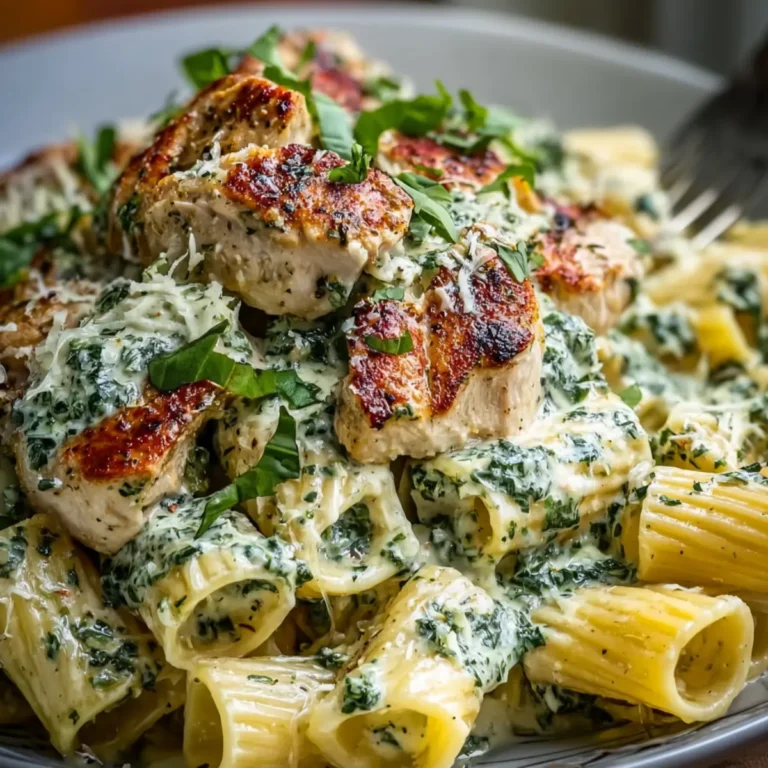
Sunlight streaming across your kitchen, a handful of just-picked asparagus, and the scent of lemon floating in the air—it feels like spring has finally arrived. Springtime Pasta Primavera is my favorite way to bottle up all that vibrant, green energy and put it right on your plate.
If you’re craving something comforting but outrageously fresh, this pasta is it. In less time than you’d spend waiting for delivery, snap peas, bright tomatoes, and golden peppers tumble together in a garlicky lemon embrace, finished with clouds of basil and Parmesan. Let’s bring the garden to your fork.
Why This Springtime Pasta Primavera Stands Out
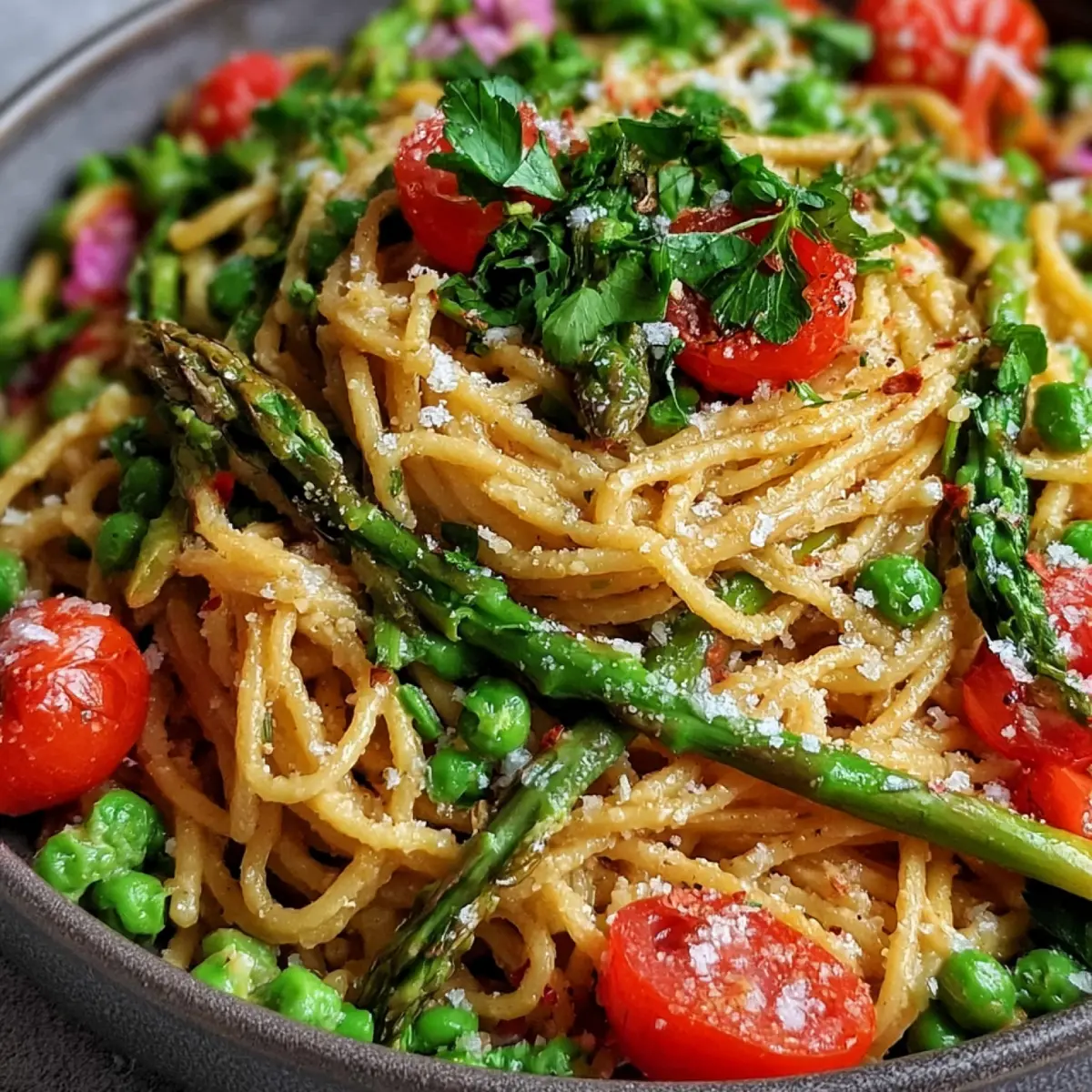
Pasta primavera is a celebration of everything lush and lively about spring, but this Springtime Pasta Primavera takes it to another level. Imagine twirling glossy ribbons of noodles, tangled up with crisp asparagus, sweet snap peas, and sunny yellow peppers. Every bite bursts with garden-fresh flavor, coaxed along by a bright lemon-garlic sauce and finished with fresh basil.What makes this dish shine is the combination of textures and colors. It’s a weeknight dinner that feels like a special occasion, yet it comes together quickly and leaves your kitchen smelling absolutely amazing. A single pan, lots of seasonal veggies, and a finish of Parmesan make this both comforting and showy—the ultimate dish for spring, whether you’re serving it to family or savoring it on your own.
Building Flavor with Seasonal Ingredients
Cooking Springtime Pasta Primavera means loading your skillet with some of the most vibrant ingredients the season offers. Here’s a look at what brings all that freshness and flavor to your bowl:- Fettuccine or linguine – The perfect pasta shape for catching sauce and veggies, creating those satisfying twirls with every bite.
- Olive oil – The silky base for sautéing, adding subtle richness and helping flavors meld.
- Garlic – Fragrant and savory, it wakes up the entire dish with just a quick sauté.
- Asparagus – Brings a signature spring snap and subtle sweetness that softens beautifully while staying crisp-tender.
- Sugar snap peas – Add bold crunch and pops of green; these are essential for that fresh, bright character.
- Cherry tomatoes – Their juicy burst and slight acidity deepen the flavor and balance the richness of the olive oil and cheese.
- Yellow bell pepper – Lends gentle sweetness and a sunny color to every forkful.
- Fresh basil – Chopped and folded in at the end, it gives an aromatic lift and that final taste of pure spring.
- Lemon zest and juice – Elevate everything, giving the sauce its tangy, bright punch and irresistible aroma.
- Parmesan cheese (optional) – Melts into the pasta, lending a creamy, salty finish that ties it all together.
- Salt and pepper – Essential for bringing out every other flavor in the dish.
- Red pepper flakes (optional) – Just a touch, for a little warmth and depth if you like gentle heat.
See the recipe card below for the full list of ingredients and measurements.
How to Make Springtime Pasta Primavera: Step-by-Step
Ready to bring all those fresh veggies to life? Here’s how you can whip up Springtime Pasta Primavera in your own kitchen, with a big pan and a trusty pasta pot.- Bring a big pot of salted water to a rolling boil, creating the perfect bath for your pasta.
- Add the fettuccine or linguine and cook until just al dente—soft with the tiniest bit of bite. Reserve some starchy pasta water before draining; it’s your friend for bringing the sauce together.
- While the pasta transforms, pour olive oil into a wide skillet and heat until shimmering. Sauté the minced garlic until it smells irresistible; don’t let it brown, just fragrant.
- Tumble in the asparagus and sugar snap peas. Sauté until they turn a brilliant green and are fork-tender but still have a nice snap.
- Scatter in the sliced yellow bell pepper and halved cherry tomatoes. Cook until the tomatoes just start to soften, turning glossy but still holding their shape.
- Add lemon zest and juice, a pinch of red pepper flakes (if you like a little warmth), and season with salt and pepper. Let everything bubble gently and meld together for a minute.
- Drain the pasta and immediately add it to the skillet, tossing gently with the vegetables. Drizzle in some reserved pasta water as you go, just enough to make the sauce silky and help it cling to the noodles.
- Take the skillet off the heat. Sprinkle in the chopped fresh basil and Parmesan (if using), folding until the cheese melts and every bite looks creamy, glossy, and green-flecked.
- Adjust salt, pepper, or lemon juice to taste. Serve your pasta primavera steaming hot, with extra Parmesan and basil if you’re feeling fancy.
Spring Cooking Tips: Texture & Troubleshooting
When you’re coaxing the most out of spring vegetables, a few small tweaks can take your Springtime Pasta Primavera from good to absolutely crave-worthy. Here’s how to get everything just right:- Don’t overcook the veggies: You want that vibrant green color and crisp-tender bite. Cook them just until they brighten and yield slightly under your fork.
- Pasta water is your best friend: That reserved, starchy water is key for a glossy, clinging sauce—add it slowly until everything looks luscious.
- Use a wide skillet: This gives vegetables plenty of space to sauté instead of steam, keeping them lively rather than limp.
- Taste as you go: Spring produce varies—sometimes you’ll need a little more lemon, salt, or cheese to bring everything into focus.
- Creaminess without cream: Parmesan helps create a luscious finish even with a light lemon-oil base—don’t skip it unless you need to keep the recipe dairy-free.
If you notice your sauce looks thin, just let it bubble another minute or add a sprinkle of cheese to thicken. If you overcook the noodles, toss them with a bit more olive oil and lemon to freshen up the texture.
Spring Variations, Pairings & Serving Twists
Springtime Pasta Primavera is endlessly flexible, and that’s half the fun. Change things up with extras on hand—thin zucchini ribbons, leafy spinach, or a handful of peas work beautifully when asparagus is out of season.Not in the mood for Parmesan? Try crumbled goat cheese for tang or keep it vegan by omitting cheese and amping up the lemon and fresh herbs. For more heartiness, top with toasted pine nuts or toss with grilled chicken, shrimp, or white beans.
Serving-wise, pile your primavera in warm pasta bowls, sprinkle with more basil, or add a little lemon zest right before serving. A loaf of crusty bread and a simple green salad on the side turn this into a full spring feast.
Storing and Reheating Springtime Pasta Primavera
Springtime Pasta Primavera is best enjoyed fresh when the veggies are at their brightest, but leftovers are still delicious. Store cooled pasta in an airtight container in the fridge. To reheat, add a splash of water or a drizzle of olive oil and gently warm in a skillet over medium heat, tossing until everything is revived.If you want to get ahead, you can prep the vegetables and store them separately, then quickly sauté and toss with cooked pasta when you’re ready. Freezing isn’t recommended, as crisp-tender veggies don’t always survive the cold and reheat journey, but the flavors are so fresh it’s unlikely you’ll have leftovers for long.
FAQs about Springtime Pasta Primavera
Can I use other vegetables in Springtime Pasta Primavera?
Absolutely, this dish is flexible with the produce you have. Try zucchini, spinach, or green beans for easy swaps. Choose vegetables that cook quickly and stay slightly crisp for the best texture.
How long does Springtime Pasta Primavera last in the fridge?
Springtime Pasta Primavera will keep well for about 2 days in an airtight container. For best results, reheat gently and add a splash of olive oil or water to refresh the sauce. The texture is best right after cooking, but leftovers are still tasty.
What’s the secret to getting a glossy, clinging sauce?
Reserved pasta cooking water is key. It loosens the sauce and helps it coat every noodle without becoming watery. Don’t skip tossing pasta and veggies together in the skillet with pasta water added gradually.
Can I make this recipe vegan or dairy-free?
Yes, just leave out the Parmesan cheese or use a dairy-free alternative. Add extra herbs or toasted nuts for richness and flavor if you wish. The dish remains bright and satisfying without cheese.
Bringing the Best of Spring to Your Table
There’s no better way to welcome spring than with a bowl of Springtime Pasta Primavera—colorful, lively, and full of market-fresh crunch. It’s a dish that brightens up busy nights or weekend gatherings, inviting everyone to dig in and taste the season.Every bite bursts with lemony sauce and vibrant greens, promising a plate full of freshness. Whether you pair it with crusty bread, a glass of white wine, or just the sunshine outside your kitchen window, this primavera celebrates spring on your fork.
What To Try Next
These fresh recipes complement your Springtime Pasta Primavera beautifully.
- Spring Pasta Salad — shares spring vegetables and fresh flavors that brighten your meal.
- Vegetable Spring Rolls — perfect light and refreshing side to keep things seasonal and vibrant.
- Cucumber Pasta Salad — offers a crisp contrast and cool texture to balance your plate.
Recommended Equipment

Lodge Yellowstone 26 cm Cast Iron Frying Pan
Perfect for sautéing vegetables for pasta
View on Amazon

* As an Amazon Associate, I earn from qualifying purchases. There is no extra cost to you.
Fresh Springtime Pasta Primavera
Ingredients
Equipment
Method
- Bring a large pot of salted water to a boil using about 1 tablespoon of salt per 4 quarts of water.
- Add pasta to boiling water and cook according to package instructions, usually 9-11 minutes for al dente. Stir occasionally to prevent sticking. Reserve 1 cup of pasta water before draining.
- While pasta cooks, heat olive oil in a large skillet over medium heat. Add minced garlic and sauté for 1-2 minutes until fragrant but not browned.
- Add asparagus and sugar snap peas. Sauté for 3-4 minutes until bright green and crisp-tender.
- Stir in sliced yellow bell pepper and cherry tomatoes. Cook for another 2-3 minutes until tomatoes soften slightly but still hold shape.
- Add lemon zest, lemon juice, red pepper flakes, salt, and pepper. Stir to combine and let flavors meld for about 1 minute.
- Drain the pasta and add it directly to the skillet with vegetables. Toss gently, adding reserved pasta water a little at a time to loosen and help the sauce cling to the noodles.
- Remove from heat and fold in chopped fresh basil and grated Parmesan cheese. Toss lightly until cheese melts and everything is coated evenly.
- Adjust seasoning to taste. Add more lemon juice or pepper flakes if desired. Serve immediately while warm.