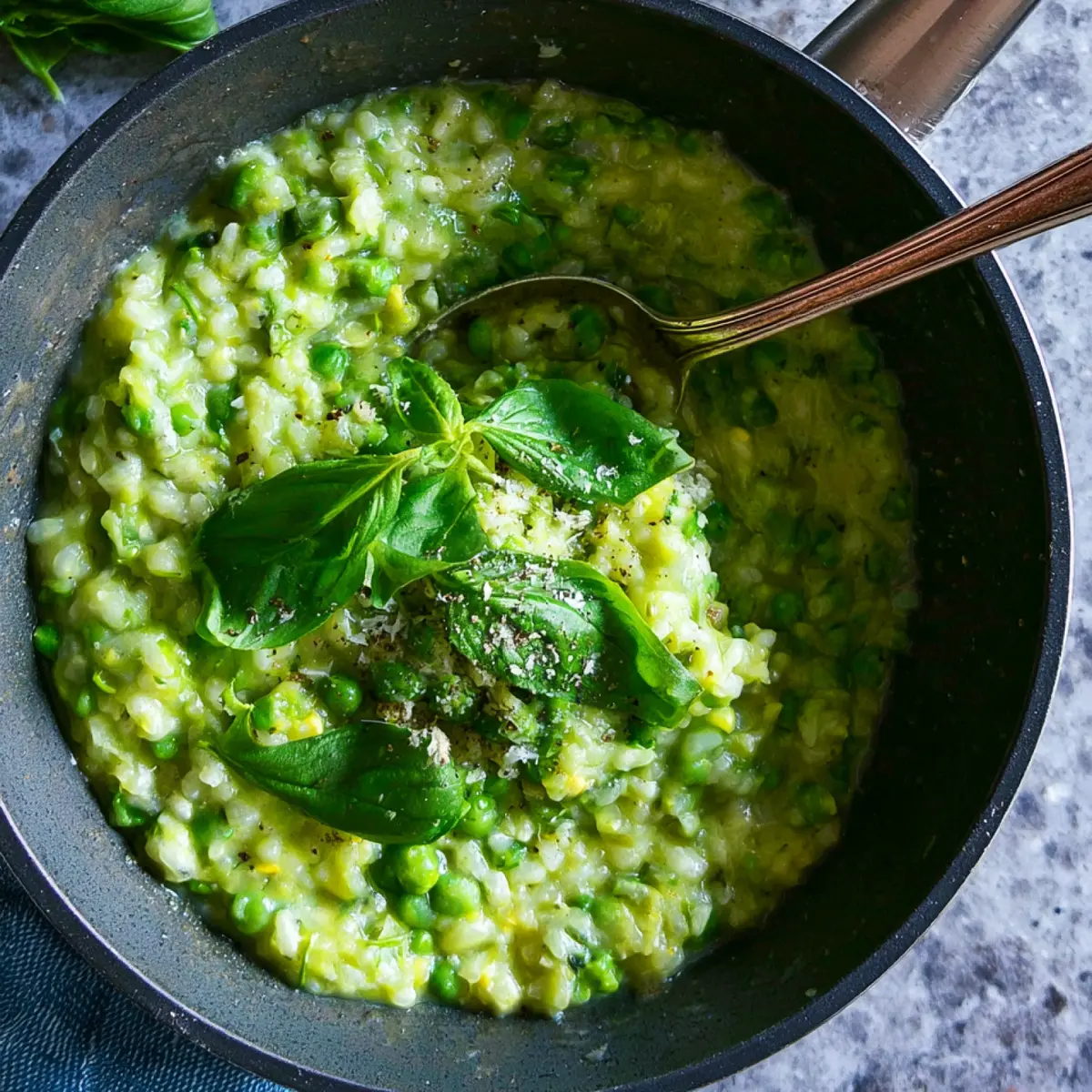
The first spoonful of pea risotto always takes me straight to early spring, right when sweet peas start to flood the markets and suddenly everything feels a bit more green and alive. There’s something incredibly comforting about gently coaxing Arborio rice into creaminess on the stove, watching as it soaks up the bright flavors of peas, lemon, and fresh mint.
You don’t need to fuss or baby this dish—just a steady hand, a little stirring, and you’ll wind up with something that feels restaurant-worthy but completely at home in your kitchen. Pea risotto is a welcome pop of color and flavor for weeknights and special meals alike, inviting you to linger just a bit longer around the table.
What Makes Pea Risotto Sing
Pea risotto is far from your everyday rice dish. What sets it apart is how it celebrates everything fresh and lively—pale green peas, a hint of lemon zest, and a breeze of mint layered through creamy, starchy rice. Each bite captures spring in a bowl, beautifully balancing richness with brightness.You’ll love how the peas bring gentle sweetness, the cheese lends savory depth, and the finishing touch of mint ties it all together in a way that tastes both uplifting and indulgent. Serve pea risotto for a cozy dinner or dress it up with seared fish or scallops—it’s versatile, surprisingly simple, and never fails to impress.
Fresh Ingredients for Pea Risotto
When making pea risotto, gather ingredients that bring natural, vibrant flavors. Here’s what you’ll need for maximum taste and texture:- Vegetable broth or chicken stock – Forms the risotto’s creamy base and infuses gentle savoriness.
- Olive oil – Adds richness and helps bring out aromas during sautéing.
- Shallots (or sub leek or white onion) – Give sweet, mellow background flavor to the risotto.
- Garlic – Provides a savory note and aroma that deepens the base.
- Arborio rice – Essential for that creamy, tender risotto texture.
- Dry white wine (or water plus a splash of lemon juice) – Lifts the flavor and helps deglaze the pan.
- Peas, fresh (blanched) or frozen – Deliver sweetness, soft bite, and a lovely green color.
- Pecorino or parmesan cheese – Brings nutty, salty depth and melt-in richness.
- Lemon zest – Adds sparkling citrus brightness.
- Salt and pepper – To balance and heighten all flavors.
- Fresh mint – Layers in unexpected herbal freshness.
- Truffle oil – A finishing drizzle for earthy, aromatic flair.
See the recipe card below for the full list of ingredients and measurements.
How to Cook Pea Risotto (Step by Step)
Creamy risotto can feel intimidating, but pea risotto comes together with straightforward steps and a little patience at the stove. Here’s how you bring this recipe together:- Warm the vegetable broth in a medium pot—keeping it hot helps the rice cook evenly.
- Heat olive oil in a heavy-bottomed pot or Dutch oven. Add the shallots and garlic, sautéing gently until they turn fragrant and lightly golden.
- Stir in the Arborio rice, making sure the grains are coated and glossy. Pour in white wine and let it sizzle, scraping any tasty bits off the pan. When the wine has absorbed, ladle in the first cup of hot broth and start stirring.
- Let the rice slowly soak up each addition of broth, stirring every minute or so. Only add more broth when the last bit is almost gone. Continue until the rice is plump and just tender, with a slight chew at the center.
- While the rice cooks, blanch your fresh peas. Drop them into boiling salted water until just softened, then drain and set aside. (Frozen peas just need to thaw.)
- Purée half a cup of the blanched peas with water and olive oil (and a handful of spinach for extra green, if you like). Blend until smooth and creamy, adjusting with a bit more water if needed.
- Once your risotto reaches the right texture, fold in grated cheese, lemon zest, the remaining whole peas, and your vibrant pea purée. Add salt and pepper, stirring in most of the mint and reserving a bit for garnish.
- Taste and adjust—maybe a bit more lemon or extra salt. For some heat, sprinkle in chili flakes. Spoon the pea risotto into bowls and finish with a gentle lace of truffle oil.
Troubleshooting, Texture, and Tips
Risotto rewards attention, not perfection. A few small details can raise your pea risotto from good to glorious:- Go slow with the broth: Add broth only when the last ladle is nearly absorbed. This is what builds that signature creamy texture.
- Stir, but not constantly: Gentle, regular stirring keeps the risotto from sticking while building creaminess. No need to stir every second—just check in every minute.
- Taste for tenderness: When the rice is creamy but still has a tiny bit of bite in the center, you’re there. Overcooked risotto can turn mushy; undercooked grains won’t soften.
- Add cheese off heat: Fold in the cheese and pea purée just before serving. This keeps flavors and colors fresh.
- Watch the mint: Mint can overpower if too bold; start light and add a bit more if needed.
Variations, Pairings, and Serving Ideas
Pea risotto’s mild sweetness and freshness make it endlessly adaptable. Try any of these ideas for your next dish:- Add greens: Blend a handful of spinach or kale into the purée for deeper color and earthiness.
- Herb swaps: Basil or chives work beautifully if mint isn’t your favorite or if you want to change things up.
- Protein toppers: Layer on seared scallops, shrimp, grilled chicken, or a delicate piece of fish right on top for a complete meal.
- Pair it up: Serve alongside a salad of tender greens with a lightly acidic vinaigrette, or steamed asparagus for even more spring flavor.
- Make it heartier: Add sautéed mushrooms or diced cooked chicken stirred in with the cheese.
Make-Ahead, Storage, and Reheating Tips
Risotto is best eaten fresh, but you can enjoy leftovers with a few easy steps. Keep pea risotto in an airtight container in the fridge for up to two days. When reheating, add a splash of water or broth to loosen the grains and stir gently over low heat until hot and creamy again.If you need to freeze, let risotto cool completely, transfer to a freezer-safe container, and use within a month. Just know that freezing can slightly change the creamy consistency—reheat gently with liquid to restore as much creaminess as possible.
FAQs about Pea Risotto
Can I use frozen peas for pea risotto?
Yes, frozen peas work well and are a convenient option. Simply thaw them and stir them in just as you would with blanched fresh peas. The flavor remains vibrant and sweet.
What should I do if my risotto is too thick?
If your risotto turns out too thick, just add a splash of hot broth or water and stir until it loosens to your desired creaminess. It’s common for risotto to thicken as it sits; adding liquid brings it back to life.
Can I make pea risotto ahead of time?
Pea risotto is best served immediately, but you can make it ahead and reheat gently with a bit of broth. For extra freshness, save the mint, cheese, and final swirl of pea purée to stir in just before serving.
What proteins go well with pea risotto?
Seared fish, scallops, shrimp, or even a little grilled chicken pair beautifully with pea risotto. Their mild, tender textures and subtle flavors complement the creamy, herbal risotto perfectly.
Bring Pea Risotto to Your Table
Pea risotto captures the best of both comfort and freshness—creamy rice, bright peas, and that splash of lemon and mint that wakes up your palate with every forkful. Whether you serve it as a spring centerpiece or a cozy side, it’s sure to bring a little extra joy to your meal. I love how those flecks of green and frills of mint make every bowl look and taste like a celebration of the season.What To Try Next
Here are a few dishes that bring fresh, springtime flavors and comforting textures to your table.
- Springtime Pasta Primavera — shares vibrant green veggies and a light, fresh vibe perfect for spring menus.
- Creamy Shrimp Asparagus Carbonara — creamy and savory with a seasonal asparagus lift, great for a similar rich texture.
- Cheesy Baked Squash Rounds — offers a delightful cheese-forward contrast with baked goodness that pairs well as a side.
Recommended Equipment

Staub 1102285 Cast Iron Casserole with Enamel Interior
Ideal for cooking creamy risotto evenly
View on Amazon

KitchenAid Multifunction Stainless Ergonomic Tool – Charcoal
Perfect for stirring and mixing risotto ingredients
View on Amazon* As an Amazon Associate, I earn from qualifying purchases. There is no extra cost to you.

Pea Risotto Recipe
Ingredients
Equipment
Method
- Heat 4 cups vegetable broth in a medium pot.
- In a heavy-bottom pot or Dutch oven, heat 2 tablespoons olive oil over medium-low heat and saute shallots and garlic until fragrant and golden, about 5 minutes, stirring.
- Add the arborio rice and stir to coat for one minute. Add white wine to deglaze the pan and simmer until the wine has completely been absorbed. Add one cup of hot broth and stir every 45-60 seconds, letting the rice absorb it slowly over medium-low heat, about 5 minutes. Continue adding one cup at a time, each time allowing the rice to slowly absorb the broth until the rice is tender (yet still holding its shape). This will take about 20 minutes.
- At the same time, blanch the fresh peas. Bring a small pot of salted water to boil. Once boiling, add the peas and simmer for 2-3 minutes, until tender; drain and set aside.
- Add ½ cup blanched peas to a blender with ½ cup water and 1 tablespoon olive oil. Blend until silky smooth. Add a handful of spinach to bump up the color even more. Blend until smooth again (it’s okay to add a little water to get the blades going). Set this aside.
- When the risotto is tender and you are close to serving it, fold in the pecorino cheese, lemon zest, the blanched peas, and the pea puree. Add salt and pepper to taste. Stir in ⅔ of the mint, saving the rest for the garnish.
- Taste, adjust salt, pepper, and lemon, adding more to taste. Add chili flakes if you like.
- Divide pea risotto among bowls, add a drizzle of truffle oil to elevate.