If you’ve ever found yourself craving a cookie that’s tender, citrusy, and practically melts on your tongue, you’re not alone. Italian Knot Cookies scratch that itch for something sweet with a twist. You know the ones—soft, pillowy, knotted little treats that show up at Christmas but truly deserve a spot year-round. The way the lemon aroma fills the kitchen always takes me back to cozy family gatherings, with a zesty kick that surprises anyone who expects just another sugar cookie.
Making these is more about the experience than precision. The dough is cloud-like, silky between your fingers, and when you tie those classic knots, you get a playful, hands-on moment that’s half nostalgia, half kitchen therapy. The end result? Light-as-air Italian Knot Cookies with a bright, cheery glaze that sets but never gets crunchy. They feel special with every bite, but making them is totally doable on a laid-back afternoon—no matter your baking mood.
Why Italian Knot Cookies Are a Year-Round Treat
There’s a good reason Italian Knot Cookies have a spot in almost every Italian family’s Christmas tin—soft, lemon-scented, and glazed to perfection, they tick every box. But honestly, these little knots are way too good to save just for December.
They’re the type of cookie that feels both classic and fresh. The dough bakes up light, almost cake-like inside, but with a tender bite that keeps you reaching for another. That pop of lemon zest and juice wakes up your taste buds, making them perfect whether you’re serving them on a holiday platter or sneaking one with your afternoon espresso.
There’s a comforting familiarity to the warm vanilla, the bright citrus, and that hint of nostalgia you get shaping each knot. They look impressive but require zero fancy equipment—just a bowl and your hands. If you want to fill up your cookie jar with something homemade that’ll actually get eaten (not just admired), these Italian cookies won’t let you down.
The Essential Ingredients for Perfect Italian Knot Cookies
- flour: forms the structure of each cookie, giving them just the right amount of substance.
- Baking powder: helps the cookies rise and gives them their signature soft, cakey interior.
- Salt: a tiny pinch balances the sweetness and perks up all the other flavors.
- Eggs: bring richness and help bind everything for a light and tender dough.
- Granulated sugar: adds sweetness and works with the eggs to give body.
- Vegetable oil: keeps the texture impossibly moist and tender.
- Milk: softens the dough, making it easy to shape and bake gently.
- Vanilla extract: adds a classic, warm note that underpins the bright lemon.
- Lemon zest: infuses the cookies with bold citrus aroma—don’t skip this for the real Italian flavor.
- Lemon juice: sharpens the flavor and complements the sweetness and glaze.
See the recipe card below for the full list of ingredients and measurements.
Creative Spins When You’re Missing Something
If you’re craving Lemon Knot Cookies but your pantry isn’t cooperating, don’t worry—you’ve got options. If you’re out of vegetable oil, canola oil or even a light olive oil works (just pick one that’s neutral in flavor). No whole milk on hand? Try a splash of oat or soy milk for a slight twist.
Not a fan of lemon? Orange zest and juice provide a warmer, sweeter citrus note, while almond extract can be swapped for vanilla if you want to lean into that traditional Italian bakery profile. If eggs are off-limits, yogurt or a commercial egg replacer can hold the dough together with just a bit of extra baking powder. Play around with these—the shape and spirit of Italian Knot Cookies remain, even as the flavors shift.
Tying the Perfect Cookie: How to Make Italian Knot Cookies Step by Step
Let’s walk through the process so your Italian Knot Cookies come out soft, lemony, and worthy of a proud spot on the dessert platter.
- Sift the dry ingredients (flour, baking powder, salt) into a bowl to keep the dough light. This simple step actually makes a huge difference in texture.
- In a separate bowl, whisk the eggs until frothy—they should look almost fluffy and pale. You want plenty of air in there for that classic tender bite.
- Add the sugar and whisk it in until the mixture thickens slightly and the sugar’s dissolved. This helps create that signature delicate crumb.
- Pour in the oil, milk, vanilla, lemon zest, and lemon juice. Combine just until everything’s smooth and evenly mixed—the aroma at this stage is amazing.
- Gradually add the dry mix to the wet ingredients. Use a spatula or mixer on low; stop as soon as you get a soft, workable dough. Don’t overmix—you want barely combined, not dense.
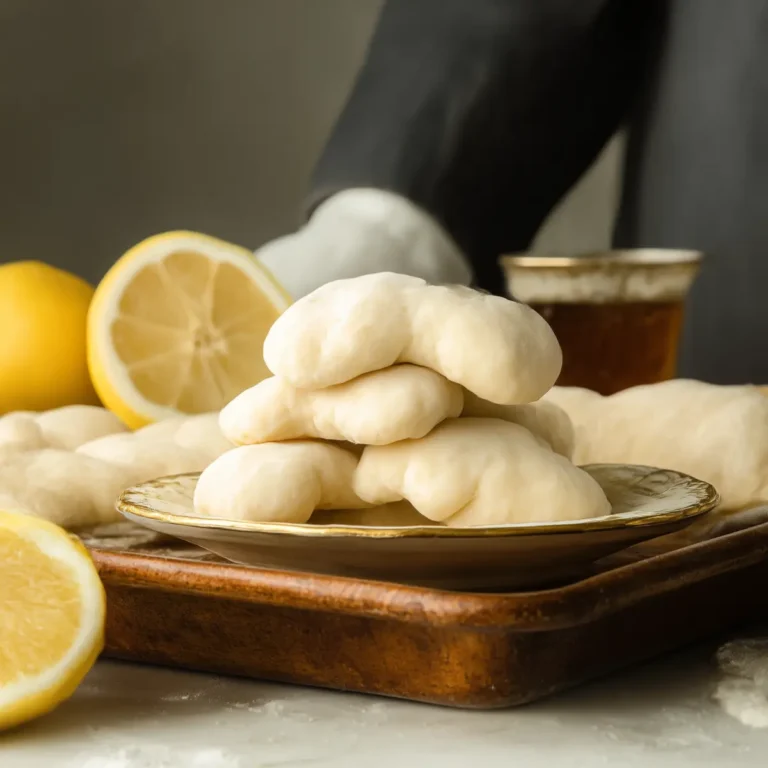
- Dust your work surface with flour to prevent sticking. Scoop up portions of dough, roll into strands with your hands, and twist them into little knots or circles. It’s more fun than it sounds!
- Set the shaped knots on parchment-lined baking sheets, giving each some breathing room. They puff up as they bake, so let them spread a bit.
- Bake until they’re just starting to pick up a hint of gold on the bottom—the centers stay pale and soft. Once out, cool on a rack so they set up with the right texture.
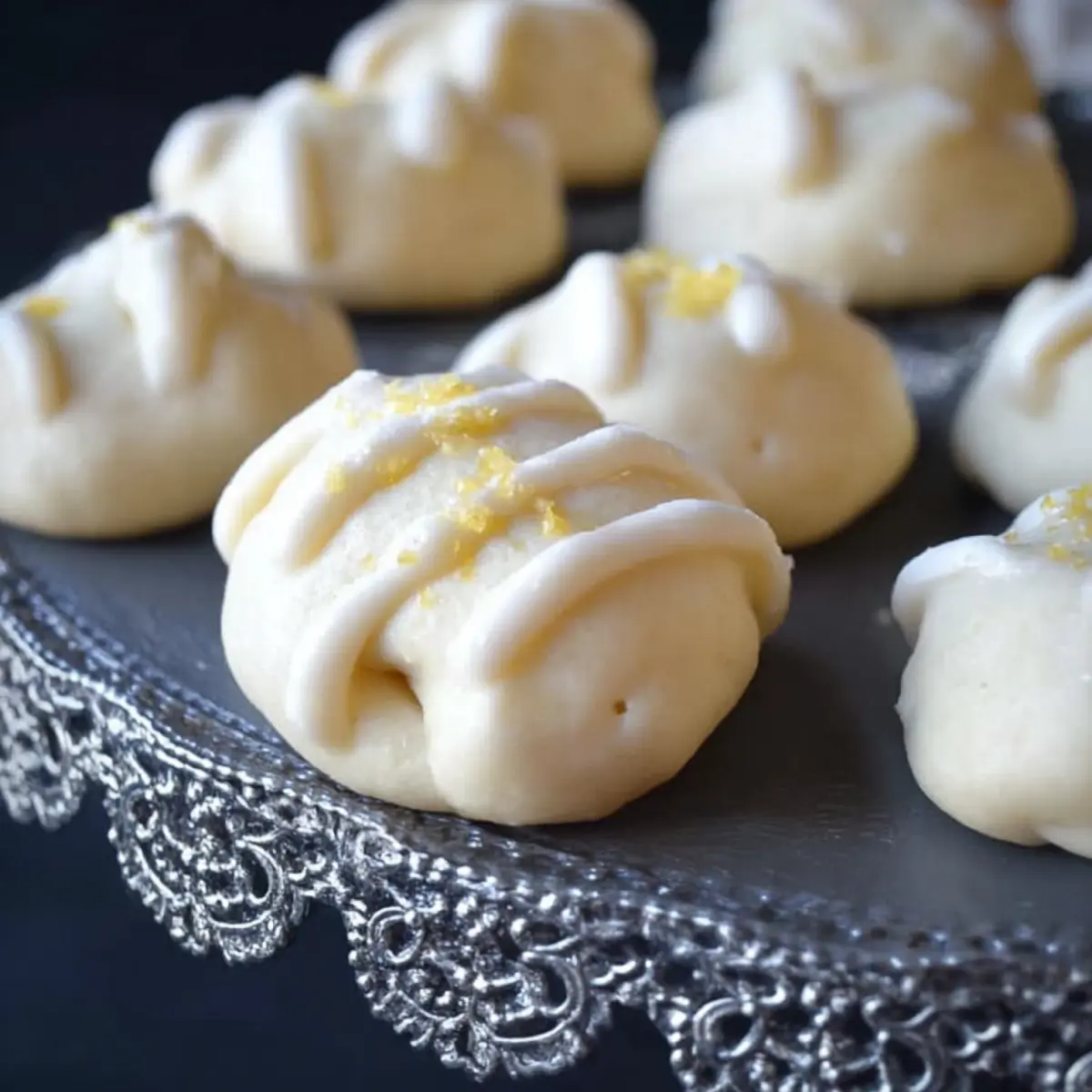
- When cooled, drizzle or dip your knots in a simple glaze, letting the icing settle into the ridges. The final touch? A little sprinkle of zest or nonpareils if you want a festive look.
Little Touches to Make Your Cookies Shine
It’s the little things that elevate Italian Knot Cookies from good to unforgettable. Start by working with room-temperature eggs—they whisk up fluffier, giving the final cookie that pillow-soft bite. Using freshly grated lemon zest (not bottled stuff) brings a natural, lively citrus hit.
If you like a more defined knot, chill the dough for just a few minutes before shaping. It’s less sticky and easier to twist without losing that soft, cloud-like texture. For visible glaze, let the cookies cool completely before icing—otherwise, the icing might vanish into the cookie instead of setting up with a slight sheen.
Storing them is simple. Keep in an airtight container layered with parchment if you’re stacking; they stay moist and tender for several days. If you live in a humid climate, consider glazing just before serving to keep the tops dry and picture-perfect.
What to Serve with Italian Knot Cookies and Fun Variations
The classic pairing for Italian Knot Cookies is always a cup of espresso or a strong black tea—something that lets the lemon shine without overpowering it. You could also serve them with a glass of bubbly Prosecco during festive gatherings or tuck a few onto a dessert platter alongside chocolate-dipped biscotti and pizzelle for a true Italian cookie spread.
Looking for a variation? Swap in orange or tangerine zest for a sweeter, milder citrus profile, or finish the warm cookies with a light dusting of powdered sugar instead of a glaze if you want a mess-free treat. Around the holidays, some bakers stir in a hint of anise extract or add brightly colored sprinkles to the icing for extra festive flair.
Want to make them ahead? Shape and freeze the unbaked knots on a tray, then transfer to a freezer bag. Bake straight from frozen, adding a few extra minutes in the oven. They’re equally good straight from the freezer stash as from the oven—just remember to wait to glaze until after they bake and cool.
FAQs about Italian Knot Cookies
Can I freeze Italian Knot Cookies?
Yes, unglazed Italian Knot Cookies freeze beautifully. Just shape and bake as usual, let them cool, then freeze in airtight containers. Add the glaze after thawing for the freshest texture.
Why are my Italian Knot Cookies tough or dry?
Over-mixing the dough or adding too much flour can make these cookies tough. Mix just until combined and stick to a light hand when shaping so they stay soft and tender.
Can I use bottled lemon juice instead of fresh lemon?
Fresh lemon juice and zest give the brightest flavor, but bottled lemon juice will work in a pinch. The aroma and taste won’t be quite as lively, though.
How long do Italian Knot Cookies stay fresh?
Stored in an airtight container, these cookies stay moist and tender for several days. If glazed, they’re best consumed within a couple of days to keep the icing looking and tasting fresh.
Final Thoughts on Italian Knot Cookies
Whether you’re reliving a family tradition or just looking for a new go-to treat, Italian Knot Cookies hit the sweet spot between classic comfort and citrusy freshness. They’re simple, satisfying, and just a little bit special—an invitation to slow down, enjoy a homemade moment, and maybe sneak a second (or third) cookie.
The next time you’re after something that’s both nostalgic and simple to whip up, tie up a batch of these knot cookies. They’ll brighten any dessert table, and I promise—they never last long.
More Delicious Recipes
- Lemon Poppy Seed Scones: If you love the bright flavor of lemon in your baking, these scones are a must-try for a cozy snack or breakfast treat.
- Soft Chewy Lemon Cookies: These cookies offer a delightful lemony twist just like Italian Knot Cookies, perfect for any lemon lover.
- Lemon Crinkle Cookies: With their vibrant lemon flavor and fun appearance, these crinkle cookies are a fun variation that still embraces citrus notes.

Italian Knot Cookies
Ingredients
Equipment
Method
- In a medium mixing bowl, sift together flour, baking powder and salt. Set aside.
- In a large mixing bowl or the bowl of an electric mixer fitted with the whisk attachment, whisk the eggs until nice and frothy (about 3-4 minutes).
- Add sugar. Continue to whisk until well combined and slightly thickened.
- Add the oil, milk, extract, zest and juice of a lemon. Combine well.
- Slowly add the flour mixture until well combined, dough will be soft.
- Preheat the oven to 350℉. Position rack to middle.
- Line 2 large baking sheets with parchment paper.
- Scoop dough with medium-sized cookie scoop and drop on a floured surface.
- Roll into a 4 inch strand about 1/2 inch in diameter.
- Shape into a concentric circle, with the ends overlapping.
- Place on parchment-lined baking sheets.
- Bake for 12-15 minutes or until bottoms are lightly browned.
- Transfer cookies to the wire rack to cool.
- Glaze cookies before serving.